If you’ve ever lingered at a Hong Kong-style café, waiting for a plate of beef chow fun to arrive—its wide, glossy noodles glistening with savory sauce, tender beef slices, and crisp bean sprouts—you might have wondered why this dish is so hard to replicate at home. Many overseas home cooks, especially those new to Cantonese stir-fries, end up with mushy noodles or overcooked, tough beef, missing the signature depth that makes restaurant versions shine.
This article is tailored for you: we’ll cover authentic beef chow fun recipes, break down key ingredients and techniques, highlight common mistakes to skip, and share tips to get that perfect balance of flavors and textures, all designed for home kitchens.
What Makes Authentic Beef Chow Fun Unique?
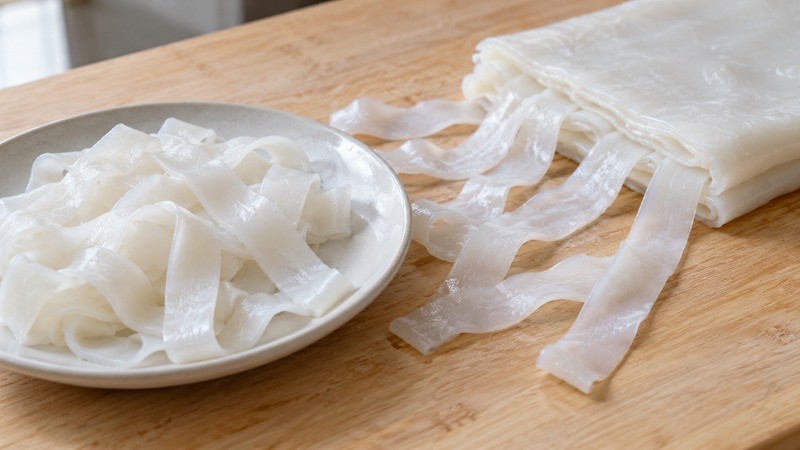
Beef chow fun (also called “ngau yuk chow fun” in Cantonese) is a staple of Cantonese street food and dim sum menus, distinct from other noodle dishes like lo mein or chow mein. Unlike thin egg noodles, it uses wide, flat rice noodles (hor fun) that are chewy and absorbent, perfect for soaking up umami-rich sauce.
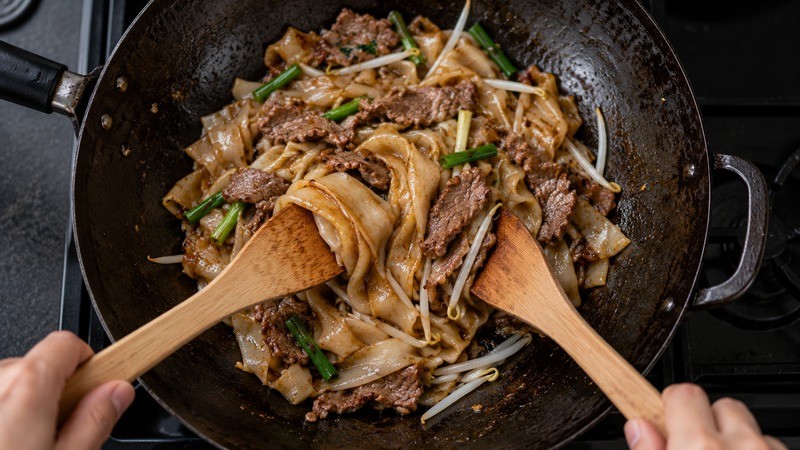
Traditional preparation relies on wok hei—the smoky, seared flavor from high heat—to quickly cook noodles and beef, creating a subtle char that adds depth without greasiness. It’s not just about ingredients; timing is critical: every component is prepped before cooking, so the stir-fry happens in minutes, not hours.
For overseas readers, this means adapting restaurant techniques to home stoves and tools without sacrificing authenticity.
Essential Ingredients for Beef Chow Fun
Each ingredient in this dish serves a specific purpose, so don’t skip key components:
- Beef: For the suggested two-serving batch, use about 250 g flank or sirloin sliced against the grain, paired with 450-500 g fresh wide rice noodles. Chill the beef until slightly firm for easier cutting.
- Rice noodles: Fresh wide ho fun is the closest match. For dried wide rice noodles, follow their package directions and drain thoroughly; different brands cannot share one five-minute soak.
- Aromatics: Minced garlic, shredded ginger, and sliced scallions (2-inch pieces) add bright, fresh notes that cut through the richness of the sauce.
- Sauce base: As a starting mix for the batch above, use 1 tbsp light soy, 1 tsp dark soy and 1 tbsp oyster sauce. Optional sugar and wine depend on taste and product seasoning. Avoid adding stock by habit when the goal is dry style.
- Optional Add-Ins: Rinsed bean sprouts, chives, or sliced white onions add crunch and freshness—stick to 1–2 add-ins to keep the dish authentic.
Step-by-Step Authentic Beef Chow Fun Recipe
The following is a suggested home-kitchen dry-style method, not a claim of recipe testing. For a published complete version, see Bill Leung’s beef chow fun. A wet-style gravy is a separate option, explained in our sauce guide.
- Marinate the Beef: In a small bowl, toss sliced beef with 1 tsp light soy sauce, 1 tsp cornstarch, and 1 tsp neutral oil (canola or vegetable). Marinate for about 10-15 minutes in the refrigerator; the coating helps texture, preventing it from becoming tough during stir-frying.
- Prep Noodles: If using fresh noodles, gently separate strands with your hands (avoid pulling hard to prevent breaking). If using dried, drain and pat lightly with a paper towel to remove excess water (wet noodles will make the dish soggy).
- Mix the Sauce: Combine light soy, dark soy and oyster sauce, with any optional sugar in a small bowl—stir until sugar dissolves completely. This ensures even flavor distribution when cooking.
- Stir-Fry the Beef: Heat a large skillet over high heat at cookware-safe heat until added oil shimmers. Add 1 tbsp oil, then toss in marinated beef.
- Stir-fry for 1–2 minutes until just browned (don’t overcook—set aside on a plate to keep it tender).
- Cook Noodles: Add another 1 tbsp oil to the skillet, then sauté minced garlic and shredded ginger for 30 seconds until fragrant. Add noodles and toss quickly for 1 minute, then pour in the sauce.
- Stir gently to coat all noodles evenly—avoid mashing the wide strands.
- Finish the Dish: Return cooked beef to the skillet, add bean sprouts and scallions (or chives), and toss until the beef and sprouts are fully cooked and everything is hot. Serve immediately—noodles will turn soggy if left sitting.
Common Mistakes to Avoid
Even with the right ingredients, small missteps can ruin your beef chow fun:
- Overcooking noodles: Heat noodles thoroughly and stop before they lose structure. Brand, thickness and starting temperature matter more than a universal two-minute ceiling.
- Marinade expectations: Cornstarch and oil help coat the beef; cut selection, slicing and cooking also matter. They cannot guarantee tenderness.
- Using inappropriate heat: Cook small batches in a hot pan within its instructions. An empty smoking nonstick skillet is not required.
- Imbalanced Sauce: Too much dark soy makes the dish bitter; too little oyster sauce lacks umami. Stick to the ratio for a balanced, authentic flavor.
- Over-Stirring: Tossing too many times breaks the wide noodles into pieces—stir only when needed to combine ingredients.
Home-Cooking Tips for Perfect Results
For overseas home cooks adapting Cantonese stir-fry to regular kitchen tools:
- Home cookware: A wide skillet can brown food, but it does not automatically reproduce restaurant wok hei. Batch size, drying and preparation are practical priorities.
- Mise En Place: Prep all ingredients before turning on the heat—stir-fry moves fast, and you won’t have time to slice garlic mid-cook.
- Don’t Overcrowd the Pan: For more than 2 servings, cook in batches. Overcrowding lowers pan temperature and leads to soggy noodles.
- Customize to Taste: If you prefer saltier flavor, add a bit more light soy; if you want extra umami, add a teaspoon of oyster sauce—adjust the sauce to your liking without straying too far from the classic balance.
If you are new to wide noodles, see our ho fun handling guide; rice noodle rolls are not the same product.
Beef chow fun is a dish that rewards practice—once you nail the technique, it’s a quick, satisfying meal that feels like a restaurant treat. Whether you’re making it for a weeknight dinner or a small gathering, these authentic beef chow fun recipes will help you recreate the flavors of Cantonese street food in your own home.
Frequently Asked Questions
Is this a beef-brisket noodle soup?
No. Chow fun here is sliced beef stir-fried with wide rice noodles. Braised beef brisket in broth is a different noodle dish.
Can I choose wet-style chow fun instead?
Yes, but use a wet-style formulation with measured stock and a cooked starch slurry. Do not add random broth to the dry stir-fry and call both methods identical.
Which beef cut fits the quick stir-fry?
Thinly sliced flank or sirloin works well. Brisket, tendon and tripe need different preparation and cannot replace the sliced steak on the same timetable.
Why do the noodles break?
Stuck noodles pulled apart forcefully, over-softened dried noodles and excessive stirring can all damage them. Loosen gently before cooking and fold with a spatula.
Related Cooking Guides
Finish cooking the beef when it returns to the pan; residual warmth is not a safety check. Consult FoodSafety.gov temperatures. Illustrative images may be AI-generated and are not evidence of a tested batch or doneness.