beef dim sum cantonese food guide

What Is Beef Dim Sum?

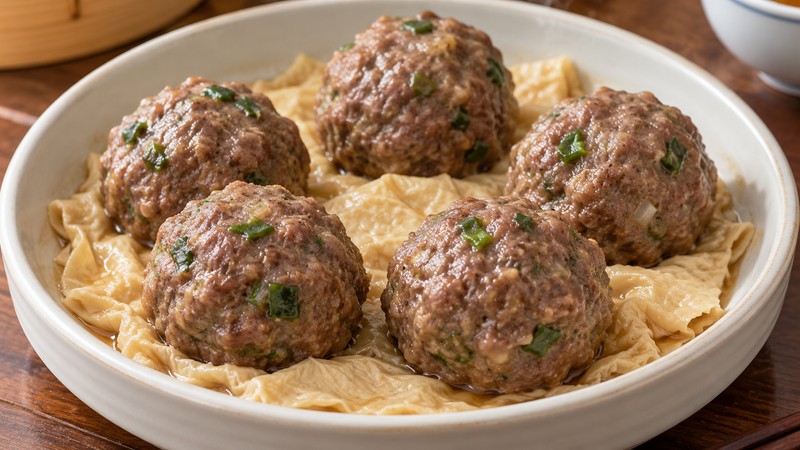
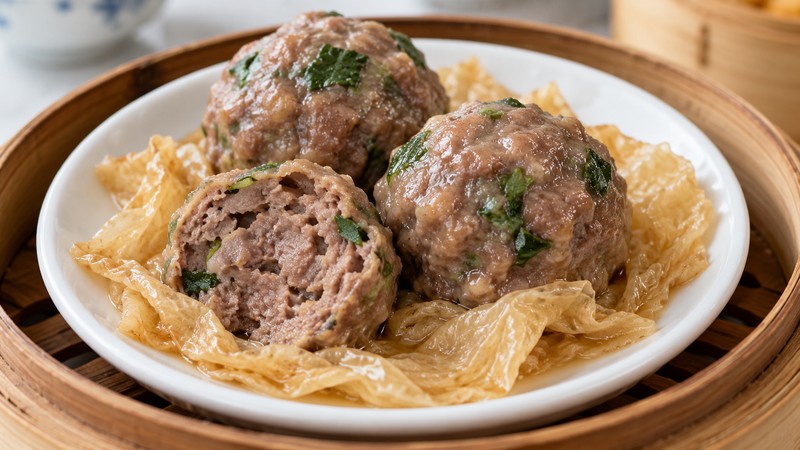
Beef dim sum is a classic Cantonese yum cha staple, traditionally served in small bamboo steamers during morning or afternoon tea sessions across Guangdong and Chinatowns worldwide. What sets it apart from other dim sum varieties is its focus on beef as the primary filling—unlike pork siu mai or shrimp har gow, which rely on more delicate or fatty proteins, beef dim sum uses a blend of lean and slightly fatty beef cuts to create a filling that’s both hearty and juicy.

beef dim sum essential guide

The wrapper, thin and translucent when steamed, is designed to be subtle, allowing the beef’s natural flavor to shine through rather than overpowering it. For overseas diners who might avoid pork due to dietary preferences or taste, beef dim sum is a perfect alternative, offering the same yum cha experience with a different protein base.

It’s also a favorite among home cooks because it’s easier to assemble than some more complex dim sum items, like har gow, making it an ideal starting point for new dim sum makers.

Essential Ingredients for Authentic Beef Dim Sum

To make beef dim sum that tastes like it came from a Chinatown restaurant, you’ll need two core components: the wrapper and the filling. For beginners, pre-made wrappers are non-negotiable—homemade dim sum wrappers require practice to roll thin enough, and even small mistakes can lead to tough or sticky dumplings.

Look for frozen dim sum wrappers in the Asian grocery store’s freezer section; they’re usually labeled “dim sum wrappers” or “har gow wrappers,” and come in round, thin sheets that are ready to use after thawing.

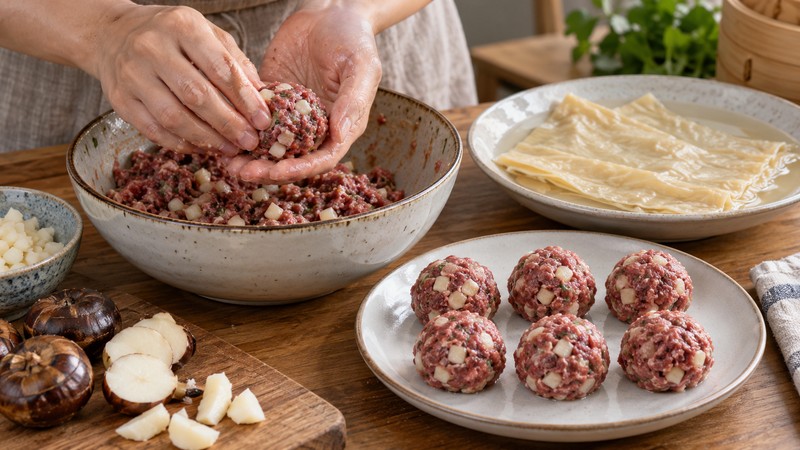
For the filling, the quality of the beef is key. Choose a cut that has a small amount of fat to keep the filling moist—shoulder or brisket are ideal, as they have a balanced ratio of lean meat and marbling.

Avoid lean cuts like sirloin, which can turn dry when steamed. You’ll need about 200 grams of minced beef; ask your butcher to mince it coarsely (not too fine, as over-mincing will make the filling mushy).

Next, seasonings: 1 tablespoon of finely minced fresh ginger (not powdered, which has a harsh flavor), 1 teaspoon of Shaoxing wine (adds depth without being overpowering), 1 teaspoon of light soy sauce (use a low-sodium version if you’re watching salt), 1 teaspoon of tapioca starch (acts as a binder to keep the filling juicy), ½ teaspoon of white pepper (avoid black pepper, which is too strong), 1 teaspoon of sesame oil, and a pinch of salt. Expert judgment here: “Beginners should skip pre-packaged ground beef from mainstream grocery stores, as it’s often over-minced and lacks the fat content needed for a tender beef dim sum filling.

Freshly minced beef from an Asian market or butcher will give you the best texture.”

When choosing your ingredients for beef dim sum, prioritize fresh, high-quality components to avoid common pitfalls like dry filling or tough wrappers. Even small changes, like using fresh ginger instead of powdered, can make a noticeable difference in the final flavor.

beef dim sum concepts

Step-by-Step Method to Make Beef Dim Sum

Making beef dim sum at home is straightforward, but it requires attention to a few key details to get the texture and flavor right. Follow these steps for perfect results:

  • Prepare the filling: In a medium bowl, combine the coarsely minced beef, minced ginger, Shaoxing wine, light soy sauce, tapioca starch, white pepper, sesame oil, and salt. Use a wooden spoon to mix gently in one direction—this helps the beef hold its shape during steaming.
  • Don’t overmix; stirring too vigorously will break down the muscle fibers, leading to a dense, rubbery filling. Once all ingredients are just combined, cover the bowl and let it rest at room temperature for 15 minutes.
  • This resting step is crucial: it allows the seasonings to penetrate the beef, resulting in a more flavorful dumpling.
  • Thaw the wrappers: Take the frozen wrappers out of the freezer and let them thaw at room temperature for 10 minutes. Once thawed, cover them with a damp paper towel or cloth to prevent them from drying out—dry wrappers crack easily when assembling, leading to leaks during steaming.
  • Assemble the dumplings: Place one wrapper on a clean surface. Add a small teaspoon of filling to the center of the wrapper—don’t overfill!
  • Too much filling makes it hard to seal the wrapper, and the filling will spill out while steaming. Fold the wrapper in half to form a half-moon shape, then pinch the curved edge tightly to seal it.
  • For a traditional look, add small pleats along the straight edge: start at one end, pinch a small section of the wrapper, then fold a pleat over it and pinch again, repeating until you reach the other end. If pleating feels too tricky, a simple tight pinch works just as well—no need for perfect pleats to get a delicious dumpling.
  • Steam the dumplings: Line a bamboo steamer with a piece of cabbage leaf or parchment paper to prevent the dumplings from sticking. Place the assembled dumplings in the steamer, leaving about 1 centimeter of space between each one (they will expand slightly during steaming).
  • Steam on medium heat for 8 to 10 minutes—don’t steam on high heat, as this will cook the wrapper too quickly, leaving the filling undercooked. Once done, carefully remove the steamer from the heat and serve immediately.

Once you’ve mastered the basic technique, you can experiment with different seasonings to customize your beef dim sum to your taste, like adding a dash of five-spice powder for a warm, aromatic twist.

beef dim sum effectively

Common Mistakes to Avoid When Making Beef Dim Sum

Even experienced home cooks can make small errors that ruin their beef dim sum. Here are the most common mistakes and how to fix them:

  • Over-mincing the beef: As mentioned earlier, too finely ground beef loses its texture, resulting in a mushy filling. If you’re mincing your own beef at home, pulse it in a food processor for just 2 to 3 seconds—stop when it’s coarse, not smooth.
  • Overfilling the dumplings: This is the number one mistake for beginners. Stick to one small teaspoon of filling per dumpling—any more will cause the wrapper to burst during steaming.
  • Overmixing the filling: Stirring the beef mixture too vigorously breaks down the muscle fibers, leading to a dense, rubbery texture. Mix only until the ingredients are combined—no need to work the beef.
  • Not covering the wrappers: Leaving the wrappers uncovered while assembling them makes them dry and brittle. Always keep them covered with a damp cloth to maintain flexibility.
  • Steaming too long: Steaming for more than 10 minutes will make the wrapper tough and the filling dry. Stick to 8 to 10 minutes for small dumplings.
  • Using too much tapioca starch: This can make the beef dim sum filling gummy instead of tender, so stick to the recommended 1 teaspoon.

Another expert tip: “If your the dish filling is dry, you might have used too lean a cut of beef or skipped the resting step. Adding a teaspoon of cold water to the filling before mixing can also help keep it juicy, as long as you don’t overdo it.”

Serving and Pairing this Cantonese dish

the recipe is best served hot, right after steaming—its flavor is most vibrant when the wrapper is still chewy and the filling is juicy. The traditional dipping sauce is simple: mix 2 tablespoons of light soy sauce, 1 tablespoon of rice vinegar, and a dash of chili oil (adjust to taste for heat).

You can also add a sprinkle of toasted sesame seeds or finely chopped scallions for extra aroma. For a classic yum cha spread, pair the preparation with other dim sum favorites like har gow (shrimp dumplings) or siu mai (pork dumplings), and serve with a cup of hot oolong tea.

The tea’s earthy, slightly bitter flavor cuts through the beef’s richness, balancing the dish perfectly. For overseas readers, this is a great dish to make for small gatherings—you can assemble the dumplings ahead of time and steam them right before your guests arrive.

If you’re looking to explore more classic Cantonese dim sum recipes, our guide to authentic har gow has detailed tips for making another beloved yum cha item.

Whether you’re making it for a quiet weekend tea or a small party, it’s a versatile dish that’s sure to please. With these tips, you’ll be able to replicate the flavors of your favorite Chinatown yum cha spot in your own kitchen, no special equipment required.

Wikipedia

More Cantonese Cooking Guides

For more context, continue with these related YueCuisine guides:


For a home kitchen, beef dim sum works best when the filling is seasoned clearly, the wrapper stays tender, and the final bite still feels light enough to serve with tea.

Frequently Asked Questions

What does beef dim sum usually mean?

Beef dim sum usually refers to Cantonese small plates that use beef in dumplings, rolls, meatballs, or steamed fillings served with tea.

Is beef dim sum always steamed?

No. Many beef dim sum dishes are steamed, but some are pan-fried, baked, or served with rice noodle rolls depending on the restaurant style.

What makes beef dim sum taste Cantonese?

A Cantonese version usually balances beef with soy sauce, ginger, scallion, sesame oil, and a gentle texture rather than heavy spice.

Can beef dim sum be made at home?

Yes. Home cooks can start with beef meatballs, rice noodle rolls, or simple dumplings before trying more technical restaurant-style pieces.

What should I serve with beef dim sum?

Serve it with tea, light greens, congee, or other small Cantonese plates so the beef flavor does not feel too heavy.

Tags: authentic cantonese recipes beef dim sum Cantonese cooking Chinese recipes

Powered by Shanyue Group | Contact: contact@shanyuegroup.com

About | Contact | Privacy Policy

© 2026 Shanyue Group • All Rights Reserved