The best beef chow fun recipe isn’t about fancy tools or hard-to-find ingredients—it’s about balancing tender beef, chewy wide rice noodles, and that subtle smoky umami that makes the restaurant version so addictive. If you’ve ever ordered this dish at a Chinatown spot and wondered how to replicate it at home, you’re in the right place.
Quick Answer
A best beef chow fun recipe depends on wok heat, separated rice noodles, tender beef, light sauce balance, and fast tossing rather than heavy gravy.
Basic Facts
- Dish type: Cantonese stir-fried rice noodle dish
- Texture goal: Noodles stay separate while beef stays tender
- Main check: Heat, sauce amount, beef marinade, and timing
- Common mistake: Using too much sauce and turning noodles sticky
Quick reference: best beef chow fun recipe = noodle texture + beef tenderness + wok heat + sauce control.
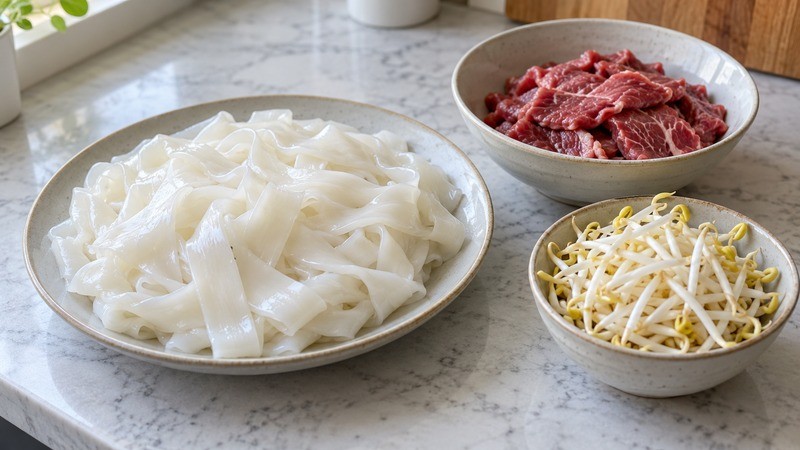
This guide focuses on a home-kitchen dry-style stir-fry: separate wide rice noodles, thin beef slices and a light coating of sauce. A home stove may not reproduce restaurant wok hei, but careful preparation and small batches still give good texture.
What Makes a Great Beef Chow Fun?
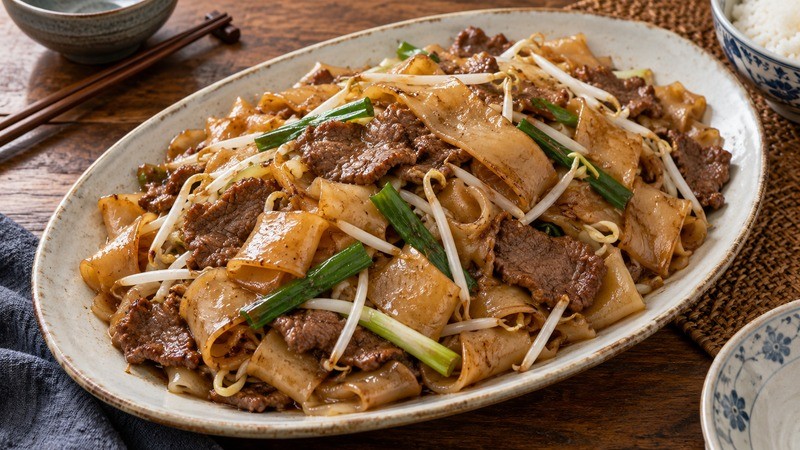
Beef chow fun (or ngau yuk chow fun in Cantonese) is a staple of Hong Kong dai pai dongs and dim sum menus, beloved for its hearty, savory profile. Unlike stir-fried dishes that prioritize crispness, this one leans into chew: the wide rice noodles (ho fun) hold their shape without turning mushy, the beef stays tender even after high heat, and the sauce coats every strand evenly.
A great version avoids overcrowding the pan or drowning the dish in too much soy—instead, it lets the natural flavors of the beef and noodles shine, with just a hint of smokiness from the pan. For overseas readers, this recipe sticks to the classic Hong Kong style, which is less sweet than some regional variations and focuses on umami from oyster sauce and fresh aromatics.
Key Ingredients You Need (No Fancy Stuff)
You don’t need a long list of hard-to-find items to make great beef chow fun. Here’s what you’ll find at most Asian grocery stores (or online for those in areas without local spots):
- Flat rice noodles (ho fun): Use 450-500 g fresh wide rice noodles for the suggested two-to-three-person batch below. If using dried noodles, follow the package rather than an exact universal soaking time. Thin vermicelli is a different noodle, not a direct substitute.
- Beef: Use about 250-300 g flank or sirloin, sliced thinly against the grain. Chill until slightly firm for easier cutting; do not freeze it solid.
- Beef marinade: 1 tbsp light soy sauce, 1 tsp cornstarch, 1 tsp neutral oil (like canola or peanut oil). This tenderizes the beef and prevents it from sticking to the pan.
- Sauce mixture: A suggested starting mix for this batch is 1 tbsp light soy, 1 tsp dark soy and 1 tbsp oyster sauce. Add sesame oil at the end if desired. Taste the fully cooked dish before adding more seasoning; dark soy also contains salt.
- Aromatics: 2 garlic cloves (minced), 1 inch ginger (julienned). These add the subtle, fresh kick that cuts through the richness.
- Veggies (optional but traditional): 1 cup bean sprouts (rinsed), 4 chives (cut into 2-inch pieces). They add a crisp contrast to the chewy noodles and tender beef.
For overseas readers who struggle to find fresh ho fun, many online Asian food retailers ship frozen or dried versions—just check the packaging for “wide rice noodles” to confirm.
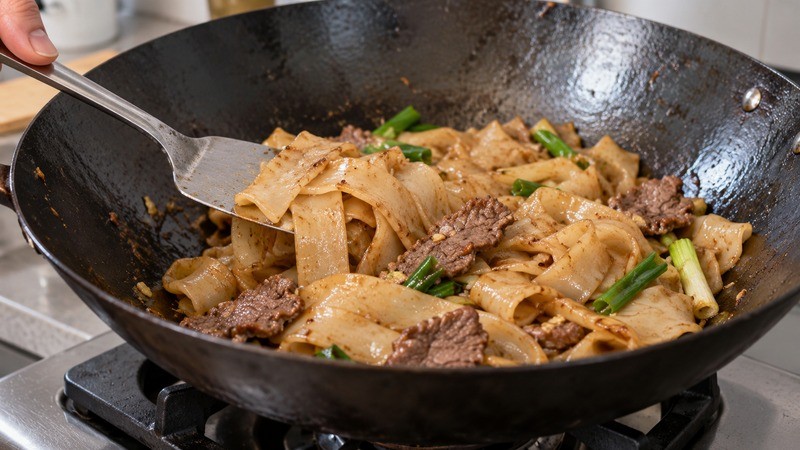
Step-by-Step Cooking Method
Have ingredients prepared before heating the pan. The quantities here are a home-cooking starting point, not a claim of an independently tested recipe. For a complete published formulation, see Chef Lau’s beef chow fun.
- Marinate the beef: In a small bowl, toss the sliced beef with the light soy sauce, cornstarch, and oil. Marinate for about 15 minutes in the refrigerator; the starch coating helps texture but is not a guarantee of tenderness.
- Prep the noodles: If using fresh ho fun, gently separate the strands with your hands (don’t pull too hard, or they’ll break). If using dried, drain and pat lightly with a paper towel to remove excess water.
- Heat the pan: Use a wide wok or skillet and heat appropriate to its instructions. Wait for added oil to shimmer, not smoke heavily. Do not run an empty nonstick pan on maximum heat.
- Add 1 tbsp oil.
- Sear the beef: Spread the beef in a single layer and stir-fry until seared, then set aside briefly to finish during the final toss. Timing depends on slice thickness and batch size; do not serve merely because one minute has passed.
- Remove the beef from the pan and set aside—overcooking here will make it tough.
- Stir-fry the noodles: Add another 1 tbsp oil to the pan. Toss in the garlic and ginger, stir for 10 seconds until fragrant.
- Add the noodles, then pour the pre-mixed sauce over them. Use two spatulas to gently lift and fold the noodles (don’t stir aggressively—this breaks them).
- Cook for 2 minutes until the noodles are heated through and coated in sauce.
- Combine: Return the beef, bean sprouts and chives to the noodles. Toss until the beef is cooked and the sprouts are thoroughly heated; do not rely on residual warmth alone.
- Don’t overcook at this stage; the noodles should still have a slight chew.
- Serve immediately: Beef chow fun is best hot, right after cooking. No need for extra sides—this dish is a complete meal on its own.
Common Mistakes to Avoid
Even with a good recipe, small missteps can ruin the dish. Here are the most common errors home cooks make:
- Overcooking beef: Thin beef cooks quickly, but a fixed sub-minute limit is not a doneness test. Use thin, even slices and finish cooking after returning the beef to the pan.
- Breaking noodles: Aggressive stirring or tossing will split the wide ho fun into pieces. Slide a spatula under the noodles, lift gently and fold them over instead of stirring aggressively.
- Too much sauce: Adding extra sauce makes the noodles soggy and masks the flavors. Stick to the measured amounts—if the noodles look dry, add a splash of water, not more soy.
- Heat recovery: A home stove has less power than a restaurant burner. Smaller batches help more than forcing every pan to maximum heat.
- Using the wrong noodles: Thin rice noodles or udon won’t give the same chew. Stick to wide, flat ho fun for authentic texture.
Home-Cooking Tips for Restaurant-Worthy Taste
These small tweaks will elevate your beef chow fun from good to great:
- Freeze beef before slicing: As mentioned earlier, freezing for 30 minutes makes it easier to slice paper-thin, which is key for quick cooking and tenderness.
- Don’t skip the marinade: The cornstarch in the beef marinade creates a protective layer that keeps moisture in, so the beef stays tender even at high heat.
- Cook vegetables separately if needed: Use a separate batch and combine at the end. Cook sprouts thoroughly, especially for diners at higher risk of foodborne illness.
- Adjust the sauce to taste: If you prefer more salt, add a tiny bit more light soy; if you like a hint of sweetness, add an extra pinch of sugar. This recipe is a base—feel free to tweak to your preference.
- For noodle selection, see our wide-rice-noodle guide; rice noodle rolls are a different preparation.
This recipe is tailored for home cooks, so it’s forgiving but still delivers that classic Cantonese flavor. Whether you’re making it for a weeknight dinner or a weekend treat, it’s a dish that feels both familiar and satisfying—just like the ones you’d get at a local Chinatown spot.
The key is to keep it simple, prioritize quality ingredients, and don’t overwork the noodles. With these tips, you’ll be making the best beef chow fun at home in no time.
Frequently Asked Questions
What should the finished dish look like?
Wide rice noodles should remain mostly intact, with tender cooked beef and a light sauce coating rather than a pool of gravy.
When should I add the sauce?
After the separated noodles have heated and begun to color, add the mixed seasoning and fold gently with spatulas. Keep cookware within its safe heat range; smoking-hot nonstick is not required.
Is baking soda compulsory?
No. This version uses soy, cornstarch and oil in the beef marinade. Other recipes use baking soda, but do not add it without following their specified meat quantity and method.
Do I need a restaurant wok burner?
No. Avoid crowding, dry the ingredients, separate the noodles and control the sauce. Use cookware-safe heat; a nonstick pan should not be heated until smoking.
Related Cooking Guides
See FoodSafety.gov cooking temperatures for meat safety; whole beef cuts require 145 F (63 C) with a 3-minute rest.
Images are illustrative and may be AI-generated; they are not evidence of a tested batch, ingredient origin or safe doneness.