Cantonese noodles are not one single recipe. Decide first whether you want a lightly sauced plate, a wok-fried dish with browned edges, or noodles in broth. The noodle type, moisture level, and serving sequence should follow that choice.
Choose a noodle style before you cook
| Style | Texture goal | Main control |
|---|---|---|
| Soy-scallion tossed noodles | Springy strands with a light gloss | Drain well and add sauce gradually |
| Wok-fried noodles | Browned edges with vegetables | Dry noodles and cook in small batches |
| Soup noodles | A clear, warming bowl | Cook noodles separately and assemble promptly |
Restaurant names sometimes overlap, so choose by the result you want rather than assuming every Cantonese noodle dish uses the same method. Fresh egg noodles, dried wheat noodles, and wide rice noodles behave differently. Follow the package directions for boiling or soaking, then adjust the finishing method to the texture.
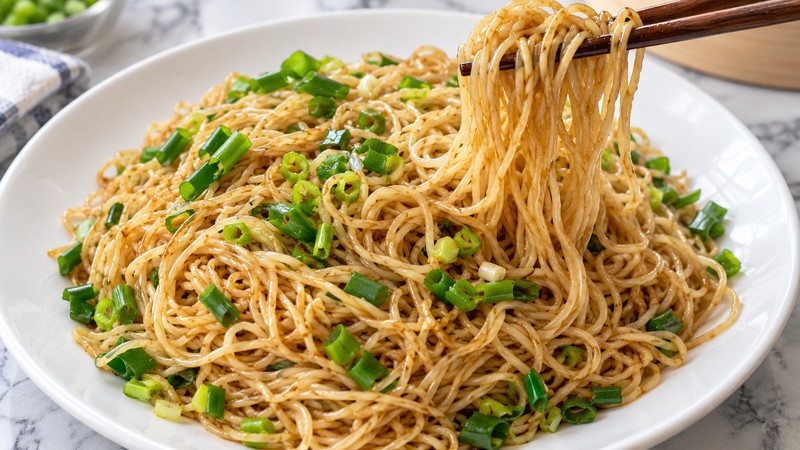
A simple soy-scallion tossed noodle starting point
For two servings, the existing recipe uses 250 g fresh wheat or egg noodles, three scallions, one tablespoon light soy sauce, one teaspoon dark soy sauce, one teaspoon sesame oil, one teaspoon neutral oil, and two to three tablespoons reserved hot noodle water. Soy sauces differ in saltiness: start with less if your brand is strong, and taste noodles with the sauce before increasing it.
- Cut scallions into white and green parts. Mix the soy sauces separately so they are ready before the noodles finish cooking.
- Cook the noodles according to the package. Reserve a little cooking water, then drain thoroughly. Rinse only if the package calls for it.
- Warm the neutral oil in a pan and briefly cook the scallion whites until fragrant.
- Add the noodles, soy mixture, and a spoonful of noodle water. Lift and toss gently until coated. Add more water only if necessary; sauce should cling rather than pool.
- Finish with sesame oil and scallion greens, then serve immediately.
This is a flexible home-kitchen starting point, not a claim that one seasoning ratio is the only authentic Cantonese version. Optional cooked toppings include mushrooms, chicken, roast pork, or blanched greens. Their safe cooking requirements are separate from the noodle-tossing step.
For wok-fried noodles, remove surface moisture
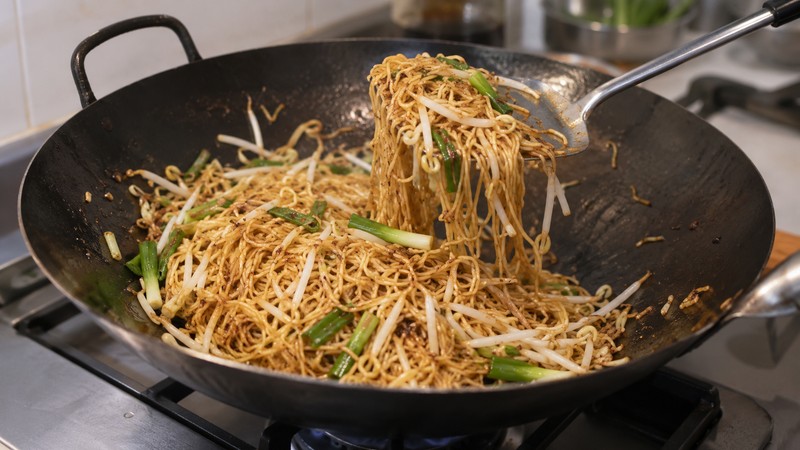
Cook and drain the noodles first, then allow excess surface moisture to evaporate. Prepare vegetables and any protein before heating the wok. Cook toppings in stages rather than crowding everything into one pan; a crowded pan traps steam and makes the noodles soft instead of browned.
Add a restrained amount of sauce near the end and lift the noodles gently to avoid breaking them. A home burner will not reproduce every restaurant wok condition, but smaller batches and dry noodles are useful controls. Keep oil below the point where it smokes heavily and use cookware suitable for your heat source.
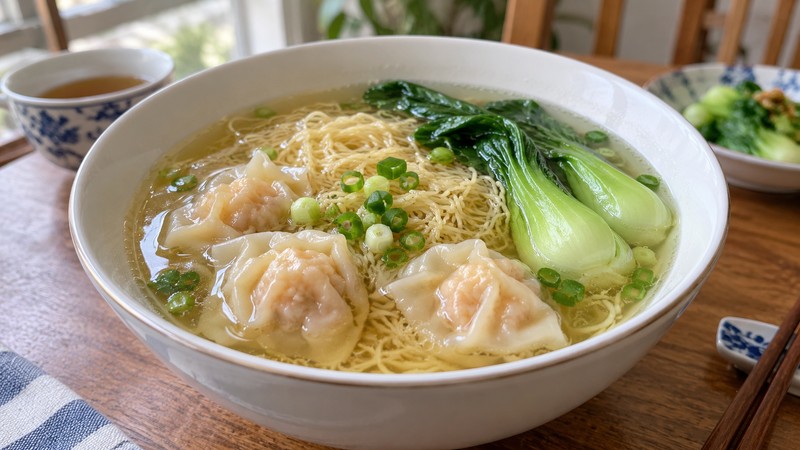
For soup noodles, keep broth and noodle timing separate
Prepare and taste the broth before assembling the bowl. Cook noodles separately where possible; adding starchy cooking water directly to a clear broth can change its appearance and texture. Put hot noodles in a warmed bowl, add fully cooked toppings, and pour over the broth just before serving.
The soup version should not be finished like a fried noodle dish. It needs broth, not a reduced sauce coating. Noodles continue to soften while standing, so assemble individual portions rather than leaving a large pot of cooked noodles soaking in broth.
Substitutions and common mistakes
- Heavy, salty noodles: reduce soy sauce and taste the complete dish before adjusting.
- Soggy fried noodles: drain and dry them better, reduce the batch size, and add less liquid.
- Broken rice noodles: use gentler lifting and follow the noodle manufacturer’s preparation method.
- Allergen concerns: check wheat, egg, soy, sesame, and shellfish ingredients in noodles, sauces, and toppings.
Frequently asked questions
Can I replace egg noodles with rice noodles?
You can make a different noodle dish, but the texture and preparation change. Follow the rice noodle package rather than copying egg-noodle timing.
Why do my noodles clump after saucing?
They may be overcooked or held too long. For tossed noodles, try a small spoonful of hot noodle water and gentle lifting; avoid flooding the pan.
Do soup noodles need to cook in the broth?
Not necessarily. Cooking them separately helps keep a clear broth and makes it easier to control noodle texture.
Continue with our Cantonese recipes or wonton noodle guide. Follow FoodSafety.gov’s temperature guidance for added proteins. Illustrations are AI-generated cooking scenes, not photographs of a tested batch.