Guangdong cuisine cantonese dim sum culture

Guangdong cuisine costs between $8–$15 per dim sum plate and $25–$40 for a steamed whole fish in most U.S. Cantonese restaurants, but you can make a complete home-style Cantonese meal for under $10 per person—including ingredients like fresh bok choy, ginger, and a whole tilapia.

This regional cooking, also known as Yue cuisine (from the ancient name of Guangdong province), is one of China’s most influential culinary traditions, prized globally for its emphasis on fresh, high-quality ingredients and delicate flavors that prioritize natural tastes over heavy spices.

What Is Guangdong cuisine?

Guangdong cuisine traces its roots back over 2,000 years to the Pearl River Delta, shaped by the region’s coastal geography, subtropical climate, and history as a major maritime trade hub. It is one of China’s eight official culinary traditions, and for centuries, it has been the primary style brought by Chinese immigrants to the Americas, Europe, and Southeast Asia—making it the most widely recognized Chinese cuisine worldwide.

Its core principles are xian (freshness), wei (balanced taste), and bao (gentle cooking methods), which guide every dish from everyday home cooking to elaborate banquets. Unlike spicier, robust regional cuisines like Sichuan or Hunan, Cantonese cooking avoids overpowering seasonings, instead using light, complementary ingredients to highlight the main component’s inherent flavor.

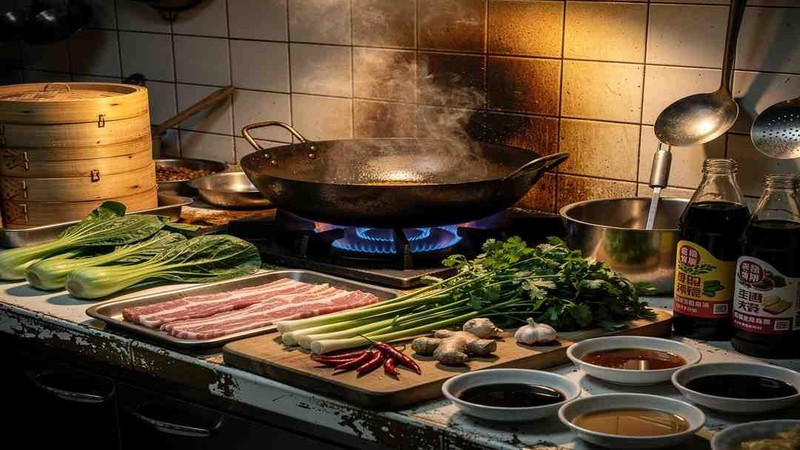
The region’s access to fresh seafood from the South China Sea and abundant tropical produce (lychees, longans, gai lan, and bok choy) forms the backbone of its ingredient list. Key seasonings include light soy sauce, oyster sauce, ginger, scallions, and Shaoxing wine, used sparingly to enhance rather than mask taste.

This philosophy is evident in staples like congee (rice porridge) with preserved egg and pork, or stir-fried gai lan with garlic—dishes that require minimal ingredients to achieve deep, satisfying flavor. Guangdong Cuisine Even complex dishes rely on these basics, with no reliance on fermented pastes or heavy spices.

Culturally, Guangdong cuisine is central to social and familial life. Reunion dinners for Lunar New Year, Mid-Autumn Festival, and wedding banquets feature symbolic dishes: a whole steamed fish (representing abundance), roasted suckling pig (signifying good fortune), and sweet rice cakes (for longevity).

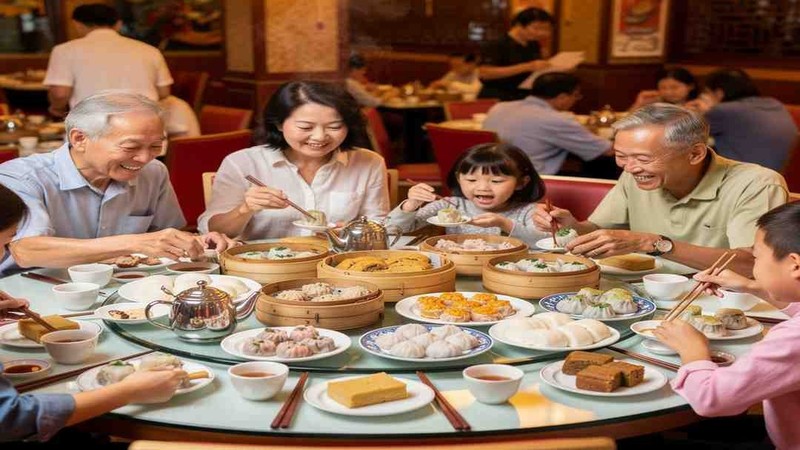
Teahouses, a cornerstone of Cantonese community life, serve dim sum—bite-sized steamed or fried snacks—for breakfast and lunch, where friends and family gather to share small plates and chat, a tradition that has spread globally as a beloved social ritual.
Guangdong cuisine concepts

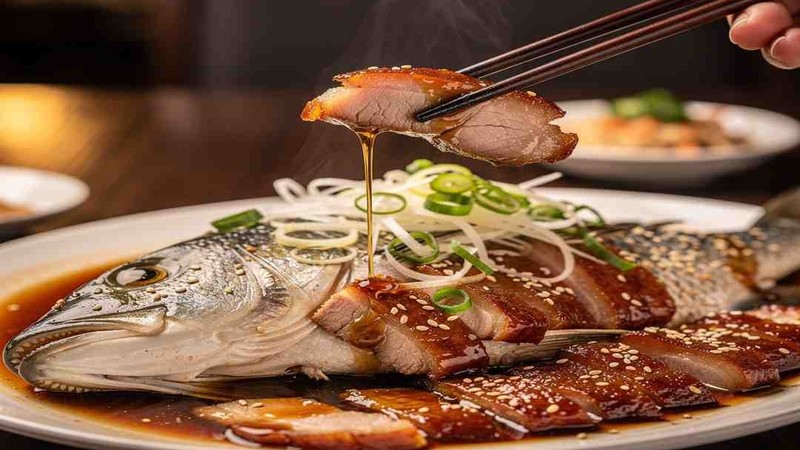
Authentic Guangdong Cuisine Recipe: Steamed Whole Fish with Ginger and Scallions

This classic dish is a staple of Cantonese home cooking and banquets, embodying the cuisine’s focus on freshness and simplicity. Guangdong Cuisine It takes 25 minutes total, with most of that time spent steaming.

Ingredients (Serves 2–3)

1 whole tilapia (1.5 lbs, scaled, gutted, fins trimmed)

1 inch fresh ginger (sliced into thin matchsticks)
2 green onions (white parts sliced, green parts cut into 2-inch lengths then shredded)

2 tbsp light soy sauce
1 tbsp oyster sauce

1 tsp granulated sugar
1/4 cup water

2 tbsp peanut oil
1 tsp Shaoxing wine

1/2 tsp sea salt
1 small piece dried tangerine peel (soaked in warm water for 15 minutes, shredded)

1 small carrot (shredded, for garnish)
1 cilantro sprig (for garnish)

Step-by-Step Instructions

  • Rinse the tilapia thoroughly and pat dry with paper towels. Guangdong Cuisine Make 2 shallow diagonal cuts on each side of the fish—this helps heat penetrate evenly and ensures the fish cooks through without overcooking the exterior.
  • Rub the entire surface (inside and out) of the fish with 1/2 tsp sea salt and 1 tsp Shaoxing wine. Guangdong Cuisine Let it rest for 10 minutes at room temperature to absorb the flavors.
  • While the fish rests, prepare the sauce: in a small bowl, mix light soy sauce, oyster sauce, sugar, and water. Guangdong Cuisine Stir until the sugar dissolves, then set aside.
  • Bring water to a rolling boil in a pot large enough to fit a bamboo steamer basket (bamboo steamers are preferred over metal for even, gentle steaming).
  • Place the tilapia on a heatproof plate. Stuff the fish cavity with half the ginger matchsticks and the sliced white parts of the green onions.
  • Guangdong Cuisine Scatter the remaining ginger matchsticks and shredded dried tangerine peel over the fish.
  • Once the water is boiling, carefully place the plate in the bamboo steamer, cover tightly, and steam for 8–10 minutes. Guangdong Cuisine Do not oversteam—overcooking will make the fish tough and dry.
  • When the fish is done, carefully remove the plate from the steamer. Guangdong Cuisine Discard any excess liquid from the plate (this liquid can be fishy and will ruin the dish’s flavor).
  • Scatter the shredded green onion greens and carrot shreds evenly over the top of the fish.
  • Heat peanut oil in a small pan over medium-high heat until it shimmers (it should ripple slightly and have a faint, nutty aroma). Guangdong Cuisine This is the critical Cantonese “hot oil” step, which releases the aromatic oils from the scallions and ginger.
  • Pour the hot oil evenly over the fish—you should hear a gentle sizzle, which confirms the flavors are being released.
  • Drizzle the prepared sauce over the fish, making sure to cover the top and sides.
  • Garnish with a cilantro sprig and serve immediately, while the fish is hot and the flavors are bright.

This recipe is a perfect example of authentic Cantonese technique: steaming preserves the fish’s natural juiciness, the hot oil step amplifies aromatic flavors, and minimal seasonings let the tilapia’s fresh taste shine through.

Guangdong Cuisine Variations

Guangdong cuisine’s diversity becomes clear when comparing its mainland roots to Hong Kong-style variations, a product of Hong Kong’s British colonial history (1842–1997). Hong Kong Cantonese cooking incorporates Western influences, resulting in dishes like flaky egg tarts (modeled after British custard tarts), pineapple buns (a sweet, fluffy bread often served with butter), and dim sum with fusion twists—such as curry shrimp dumplings or char siu bao filled with a sweeter, more caramelized pork than mainland versions.

Mainland Guangdong cuisine, by contrast, is more rustic and tied to local rural traditions: Chaoshan-style Cantonese cuisine (from eastern Guangdong) emphasizes ultra-fresh seafood and handmade beef balls, while Pearl River Delta home cooking uses simpler, locally sourced ingredients like wild mushrooms and river fish, with less sugar than Hong Kong’s sweeter dishes.

Another key variation is between home-style and restaurant-style Guangdong cuisine. Home cooking is designed for daily meals: it prioritizes affordability and simplicity, using cheaper cuts of meat (like pork shoulder instead of premium tenderloin) and quick stir-fries or congee that take 30 minutes or less to prepare.

Restaurant-style Guangdong cuisine, especially for banquets, is far more elaborate: dim sum wrappers are hand-folded with precise techniques to create intricate shapes, steamed dishes use the freshest live seafood, and banquet staples like Buddha Jumps Over the Wall—a complex soup with shark fin, abalone, sea cucumber, and chicken—take hours to prepare. Even casual restaurant dim sum differs from home versions, with larger portions and more variety in fillings, often including premium ingredients like lobster or truffle.

Serving Guangdong Cuisine the Cantonese Way

Traditional Cantonese serving style is deeply communal, reflecting the culture’s emphasis on togetherness. All dishes are placed in the center of the table, with individual bowls of steamed rice for each diner—communal rice bowls are rare, as each person gets their own portion.

The menu is balanced to include a mix of proteins (steamed, roasted, or stir-fried), vegetables, a soup, and a carb, ensuring each meal is nutritionally complete and flavorful. Presentation is understated, focusing on the quality of ingredients rather than elaborate garnishes; a perfect steamed fish, for example, is served simply with ginger, scallions, and hot oil, no fancy sauces or decorations.

Guangdong Cuisine Common mistakes for home cooks include over-seasoning (which masks the fish’s natural taste), overcooking seafood (which makes it tough and dry), and skipping the hot oil step—this step is what gives Cantonese dishes their signature aromatic kick.

Pairing is also central to serving Guangdong cuisine. The traditional beverage is tea, chosen to complement the meal: jasmine tea pairs well with dim sum and light stir-fries, while pu-erh tea (a fermented tea) is ideal for fatty roasted meats like char siu or roasted goose, as it aids digestion.

For banquets, rice wines like Shaoxing or osmanthus wine are often served with meat dishes. Desserts, which are usually light, follow the main meal: common options are mango pudding, egg tarts, or red bean soup, designed to cleanse the palate after savory, rich dishes.

Guangdong cuisine effectively

FAQs

  • Is authentic Guangdong cuisine difficult to make at home?

Not at all—many core dishes are beginner-friendly. The key is to prioritize fresh ingredients over complicated seasonings.

For example, steamed fish only requires a few ingredients, and the main challenge is getting the steaming time right (8–10 minutes for a 1.5lb fish). Guangdong Cuisine Even dim sum can be made at home with store-bought wrappers if you’re short on time, though hand-folded versions are more authentic.

  • What are good substitutions for hard-to-find Cantonese ingredients?

If you can’t find dried tangerine peel, use 1/4 tsp of orange zest instead—just don’t use too much, as it’s more potent. Shaoxing wine can be replaced with dry sherry or a mix of rice vinegar and sugar, though sherry works best.

Guangdong Cuisine For gai lan (Chinese broccoli), regular bok choy or broccoli rabe is a decent substitute, though gai lan has a slightly bitter, earthier taste that’s unique.

  • How do I store leftover Cantonese dishes properly?

Most cooked Guangdong dishes (steamed fish, stir-fries, roasted meats) can be stored in airtight containers in the fridge for 2–3 days. Seafood dishes should be eaten within 1 day, as they spoil faster.

Reheat gently in a steamer (not a microwave, which makes food soggy) to retain texture and flavor. Guangdong Cuisine Soups can be frozen for up to a month.

  • What’s the difference between authentic Cantonese dim sum and frozen dim sum?

Authentic dim sum is made fresh daily in teahouses and restaurants, with hand-rolled wrappers that are thin yet sturdy, and fillings made from fresh ingredients (like live shrimp, ground pork, or Chinese chives). Guangdong Cuisine Frozen dim sum often uses pre-made, thick wrappers and lower-quality fillers (like processed meat or frozen shrimp) that lack the fresh taste of authentic versions.

  • Is Guangdong cuisine only focused on seafood?

No—while seafood is a star, Guangdong cuisine has a wide range of meat and vegetarian dishes. Popular meat dishes include char siu (sweet barbecued pork), roasted goose, and soy sauce chicken.

Vegetarian options like stir-fried mushrooms with bok choy, steamed tofu with ginger, and congee with vegetables are also common in home cooking.

  • Why is steaming such a foundational technique in Cantonese cooking?

Steaming aligns perfectly with Cantonese culinary philosophy: it preserves the natural flavor, nutrients, and texture of ingredients without adding extra fat or heavy seasonings. Unlike frying or braising, which can overpower the main ingredient’s taste, steaming lets the freshness of the seafood, meat, or vegetables shine through.

Guangdong Cuisine It’s also a healthy cooking method, which is a priority in Cantonese home cooking.

Guangdong cuisine skills

Yue Cuisine Cantonese Food Cantonese Cooking Wikipedia

Frequently Asked Questions

What is the significance of Guangdong cuisine in Cantonese cuisine?

Guangdong cuisine, also known as Cantonese cuisine, is one of the Eight Great Culinary Traditions of Chinese cuisine. It is considered the most globally recognized style of Chinese cooking, renowned for its delicate flavors, fresh ingredients, and refined cooking techniques. As the cuisine of the Guangdong province, it represents the heart of Cantonese culinary heritage and has heavily influenced Chinese food worldwide.

How is Guangdong cuisine traditionally prepared?

Guangdong cuisine is traditionally prepared using cooking methods that preserve the natural flavors of ingredients, including steaming, stir-frying, braising, deep-frying, and roasting. The emphasis is on quick cooking over high heat to maintain texture and freshness. Chefs carefully balance flavors—aiming for a harmonious combination of sweet, salty, savory, and sometimes spicy—while ensuring the original taste of the ingredients shines through.

What ingredients are essential for Guangdong cuisine?

Essential ingredients in Guangdong cuisine include fresh seafood (fish, shrimp, shellfish), tender chicken and pork, a wide variety of vegetables (bok choy, Chinese broccoli, snow peas), soy sauce, oyster sauce, ginger, garlic, scallions, rice wine, and sesame oil. The cuisine prioritizes seasonal and local produce, with ingredients often purchased fresh daily from markets.

What are the health benefits of Guangdong cuisine?

Guangdong cuisine is often considered one of the healthier Chinese culinary styles due to its emphasis on fresh ingredients and cooking methods that preserve nutritional value. Steaming and stir-frying use less oil than deep-frying, and the inclusion of plenty of vegetables provides fiber and vitamins. The cuisine’s lighter sauces and balanced flavors are also less likely to cause digestive discomfort, making it a popular choice for health-conscious diners.

What are common mistakes when making Guangdong cuisine?

Common mistakes when making Guangdong cuisine include using ingredients that are not fresh (which diminishes the delicate flavors), overcooking vegetables and proteins (resulting in loss of texture and nutrients), using too much oil or heavy sauces (which masks the natural flavors), and failing to properly balance the five fundamental tastes. Another frequent error is not having all ingredients prepped before cooking, as the quick cooking style requires everything ready to add in the correct sequence.


Tags: Guangdong cuisine

Powered by Shanyue Group | Contact: contact@shanyuegroup.com

About | Contact | Privacy Policy

© 2026 Shanyue Group • All Rights Reserved