asian steamed fish recipe cantonese dish close up

Asian steamed fish recipe costs between $12–$18 per serving in Cantonese restaurants, but you can make it at home for under $5, with a total cooking time of just 25 minutes from prep to plate. This dish is far more than a simple weeknight meal—it’s a cornerstone of Cantonese cuisine, rooted in the region’s deep reverence for freshness and balance.

Cantonese cooking philosophy prioritizes “xian” (natural flavor) over heavy sauces or intense seasonings, and steamed fish is the ultimate expression of this: it lets the delicate, sweet taste of the seafood shine through, with only subtle aromatics to cut any fishy notes. It’s also a cultural touchstone, appearing at nearly every important gathering from Lunar New Year feasts to wedding banquets.

What Is Asian Steamed Fish Recipe?

Asian steamed fish, specifically its Cantonese iteration, is a cooking method that prioritizes preserving the natural texture and flavor of whole fish through steam, rather than frying, baking, or braising. Its origins trace back to the Song Dynasty (960–1279 CE) in the coastal Guangdong region, where abundant river and sea fish made it a staple for rural and urban communities alike.

Asian Steamed Fish Recipe For Cantonese cooks, steaming is not just a technique—it’s a way to honor the ingredients: overcooking is seen as a cardinal sin, as it robs the fish of its tenderness and subtle sweetness.

Culturally, the dish carries profound symbolism. The Cantonese word for fish, “yu,” sounds identical to the word for “surplus,” so serving a whole steamed fish during Lunar New Year is a tradition meant to attract abundance and good fortune for the coming year.

It’s also served at wedding banquets, birthday celebrations, and business gatherings, where the whole fish (head and tail intact) represents completeness, unity, and prosperity for the group. Asian Steamed Fish Recipe Unlike many Western fish dishes that rely on rich coatings or sauces, Cantonese steamed fish uses minimal seasonings, letting the fish’s own quality take center stage.

asian steamed fish recipe concepts

Authentic Asian Steamed Fish Recipe

This authentic Cantonese recipe is designed for a 1.5lb whole sea bass, serving 2 people, with precise timing to avoid overcooking.

Ingredients

  • Fresh ginger (2 thin slices + 1 tbsp julienned + 1 clove minced)
  • Scallions (3 whole stalks + 1 tbsp finely chopped)
  • Shaoxing wine (1 tbsp)
  • Light soy sauce (2 tbsp, premium quality preferred)
  • Dark soy sauce (1 tsp, for subtle color only)
  • Low-sodium chicken broth (3 tbsp)
  • Vegetable oil (3 tbsp, neutral flavor like canola)

Step-by-Step Instructions

  • Prep the fish: Rinse the whole sea bass under cold water, pat completely dry with paper towels. Make 3 shallow diagonal cuts on each side (1 inch deep) to help steam penetrate evenly.
  • Asian Steamed Fish Recipe Rub a tiny pinch of salt and ½ tbsp Shaoxing wine inside the cavity and on the fish’s surface.
  • Prep aromatics: If using dried tangerine peel, soak it in warm water for 10 minutes, then scrape off the white pith (which adds bitterness) and julienne it. Asian Steamed Fish Recipe Separate the scallions into 2 whole stalks and the rest (for garnish).
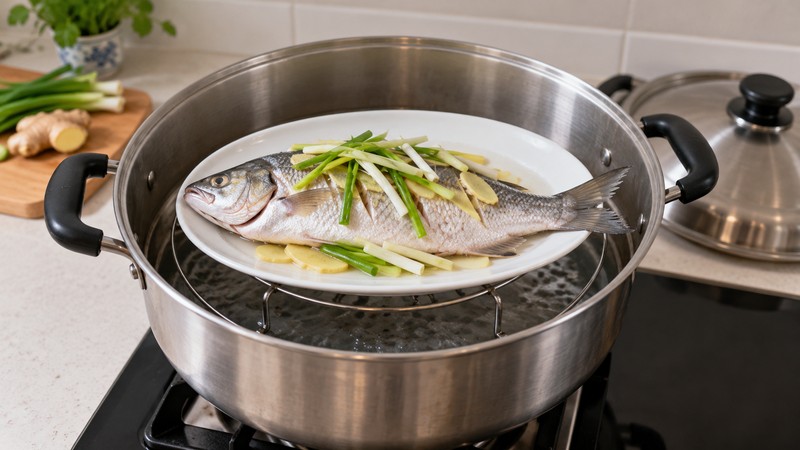
  • Set up the steamer: Line a bamboo steamer basket (traditional for Cantonese cooking) with a cabbage leaf or parchment paper to prevent sticking. Asian Steamed Fish Recipe Place the 2 whole scallion stalks and 2 ginger slices on the steamer base to elevate the fish, ensuring steam circulates under it.
  • Steam the fish: Bring water in the steamer’s lower pot to a rolling boil (critical—steam must be intense to cook fast). Place the fish on the scallion-ginger bed, stuff the cavity with a whole scallion and 1 ginger slice.
  • Asian Steamed Fish Recipe Cover tightly and steam for exactly 8–10 minutes (8 mins for 1.5lb, add 1 min per extra ½lb).
  • Make the sauce: While steaming, mix light soy sauce, dark soy sauce, chicken broth, remaining ½ tbsp Shaoxing wine, white pepper, and minced ginger in a small bowl. Asian Steamed Fish Recipe Set aside.
  • Finish the dish: Once steamed, carefully remove the steamer from heat. Asian Steamed Fish Recipe Discard the top scallions and ginger slices, then pour off all excess liquid from the platter (this removes fishy residues that would ruin the flavor).
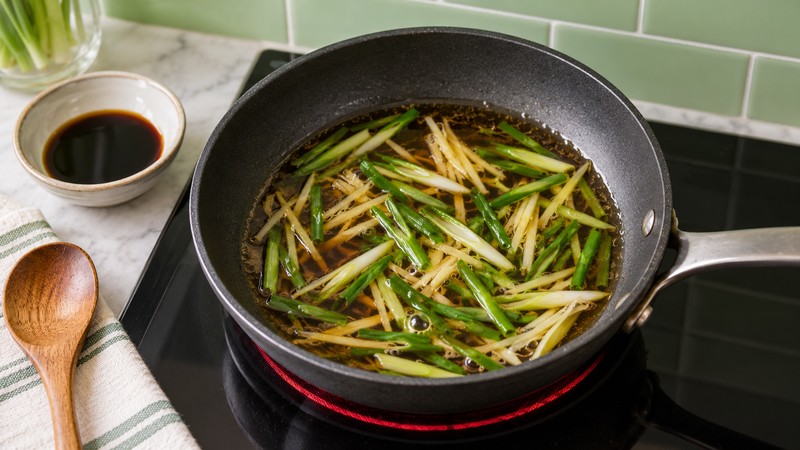
  • Add aromatics: Sprinkle the julienned ginger, chenpi, and chopped scallions over the fish. Asian Steamed Fish Recipe Heat vegetable oil in a small pan until it shimmers (350°F, or until a scallion sizzles immediately when dropped in).
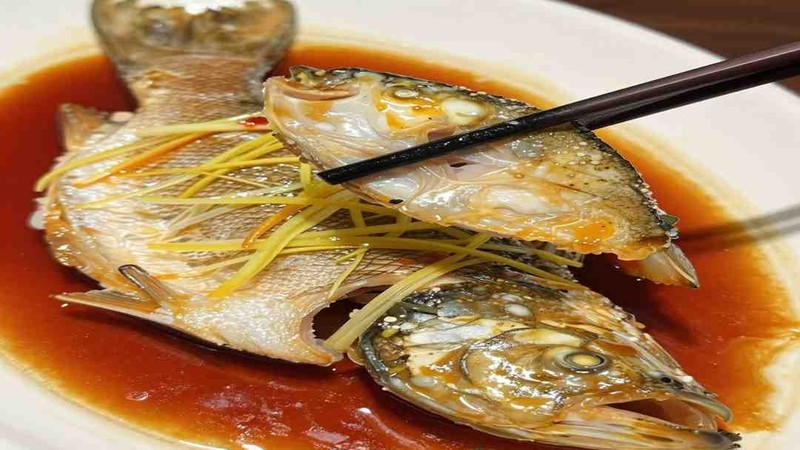
  • Sizzle and serve: Pour the hot oil evenly over the aromatics—this creates a loud sizzle that releases their fragrance, a key step in Cantonese steamed fish. Asian Steamed Fish Recipe Drizzle the prepared sauce over the fish, garnish with cilantro and red chili slices, and serve immediately with steamed rice.

Asian Steamed Fish Recipe Variations

Regional variations of Cantonese steamed fish reflect local ingredient availability and taste preferences. Hong Kong-style steamed fish, often served in upscale restaurants, uses premium soy sauces (like Lee Kum Kee’s premium light soy) and adds a dash of oyster sauce to the final sauce for extra umami depth.

Asian Steamed Fish Recipe It may also include thin slices of shiitake mushrooms or bamboo shoots on the platter for texture, a touch less common in traditional Guangzhou home cooking.

Mainland Chinese home versions tend to use more affordable fish, such as tilapia or crucian carp, instead of sea bass, and often skip the dried tangerine peel for simplicity. Some coastal regions in Guangdong add a splash of rice vinegar to the final sauce, giving it a subtle tang that cuts through richness, while inland Cantonese areas keep the sauce purely savory.

Asian Steamed Fish Recipe Restaurant variations may also add a small amount of sesame oil for nuttiness, though purists argue this masks the fish’s natural flavor.

Serving Asian Steamed Fish the Cantonese Way

Cantonese serving etiquette for steamed fish is steeped in respect and tradition. The whole fish is placed on a large oval platter, oriented so the head faces the most honored guest at the table—a sign of hospitality and esteem.

Asian Steamed Fish Recipe It is never cut before serving; diners pull the flesh from the bone themselves, a ritual that emphasizes the dish’s freshness.

The dish is always paired with plain steamed white rice, as the savory sauce from the fish is used to flavor the rice. Presentation tips include avoiding overcrowding the platter, and ensuring the hot oil sizzle step is done at the table if possible—this adds a dramatic, aromatic element to the meal.

Asian Steamed Fish Recipe Common mistakes to avoid: overcooking the fish (flesh should flake easily but not turn mushy), not discarding the excess steaming liquid (which has fishy odors), or using too much soy sauce that overwhelms the fish’s delicate taste.

asian steamed fish recipe effectively

FAQs

Q: Is steamed fish a difficult dish to make for home cooks?

A: Not at all! Cantonese steamed fish relies on precise timing rather than advanced skills.

Asian Steamed Fish Recipe Set a timer for 8–10 minutes once the steamer is covered, and you’ll avoid overcooking—even beginners can nail this with basic kitchen tools.

Q: Can I substitute sea bass with another fish?

A: Absolutely. Any firm, white-fleshed whole fish works: snapper, tilapia, cod, or trout.

Just adjust the steaming time by 1–2 minutes if the fish is smaller or larger than 1.5 pounds. Asian Steamed Fish Recipe Avoid delicate, flaky fish like sole, which will fall apart during steaming.

Q: How do I store leftover steamed fish?

A: Store it in an airtight container in the refrigerator for up to 2 days. Never reheat it in the microwave—this makes the flesh rubbery.

Asian Steamed Fish Recipe Instead, use a steamer for 2–3 minutes to gently warm it, or pan-fry the fillets for a crispy edge.

Q: What’s the difference between authentic and simplified versions?

A: Authentic Cantonese steamed fish uses dried tangerine peel (chenpi) to cut fishiness, a bamboo steamer for subtle woody aroma, and precise rolling-boil steaming. Asian Steamed Fish Recipe Simplified versions often skip chenpi, use metal steamers or microwaves, and may add sesame oil or extra seasonings for convenience.

Q: Do I need a bamboo steamer?

A: No. A metal steamer basket works perfectly.

The only non-negotiable is using rolling boil water—this creates the intense steam needed to cook the fish quickly without drying it out. Asian Steamed Fish Recipe Bamboo steamers are traditional, but they don’t change the core flavor if you use a metal one.

Q: Why do we score the fish before steaming?

A: The shallow diagonal cuts help steam penetrate deep into the fish’s flesh, ensuring even cooking, while also releasing any trapped fishy odors during steaming. Asian Steamed Fish Recipe This step is key to getting tender, evenly cooked fish without raw spots in the thickest parts.

asian steamed fish recipe skills

Asian Bbq Pork Recipe Asian Bbq Pork Marinade Asian Bbq Pork Loin Wikipedia

Frequently Asked Questions

What is the significance of asian steamed fish recipe in Cantonese cuisine?

清蒸魚 (ching cheng yu) is a cornerstone of Cantonese cuisine, representing the culinary philosophy of preserving natural flavors through simple cooking methods. It showcases the Cantonese emphasis on fresh, high-quality ingredients and delicate cooking techniques. This dish is traditionally served at important occasions like Lunar New Year and family gatherings, symbolizing prosperity and abundance because the whole fish represents completeness and togetherness.

How is asian steamed fish recipe traditionally prepared?

The traditional method involves steaming a whole fish (usually sea bass or grouper) over high heat for about 8-12 minutes depending on size. The fish is placed on a plate with sliced ginger and scallions underneath and on top. Once steamed, the excess water is drained, fresh scallions and cilantro are added, hot oil is poured over to release aromatic flavors, and a sauce mixture of soy sauce, sugar, and sometimes sesame oil is poured around the fish.

What ingredients are essential for asian steamed fish recipe?

The essential ingredients include: fresh whole fish (海魚), ginger (薑), scallions (蔥), cilantro (芫荽), light soy sauce (生抽), sugar, sesame oil (麻油), and cooking oil. Optional additions include fermented bean curd (腐乳), chili peppers, and wolfberries. The key is using the freshest fish possible, as the dish relies on the natural sweetness of the seafood.

What are the health benefits of asian steamed fish recipe?

Steamed fish is considered one of the healthiest cooking methods in Cantonese cuisine. It retains most of the fish’s nutritional value, including high-quality protein, omega-3 fatty acids, and vitamins D and B12. The steaming method requires minimal oil, making it low in fat compared to fried preparations. The dish is also easy to digest and is often recommended for those seeking a light, nutritious meal, especially during recovery from illness.

What are common mistakes when making asian steamed fish recipe?

Common mistakes include: overcooking the fish (which makes it dry and flaky), not cleaning the fish properly (leaving scales or internal organs), using fish that isn’t fresh (resulting in fishy odor), not heating the oil to the right temperature (which fails to release aromatic flavors), and overcrowding the steamer (which causes uneven cooking). Another frequent error is not draining the water that collects during steaming, which dilutes the flavor of the sauce.


Tags: asian steamed fish recipe

Powered by Shanyue Group | Contact: contact@shanyuegroup.com

About | Contact | Privacy Policy

© 2026 Shanyue Group • All Rights Reserved