The Essential Guide to Beef Chow Fun Sauce for Authentic Cantonese Stir-Fry
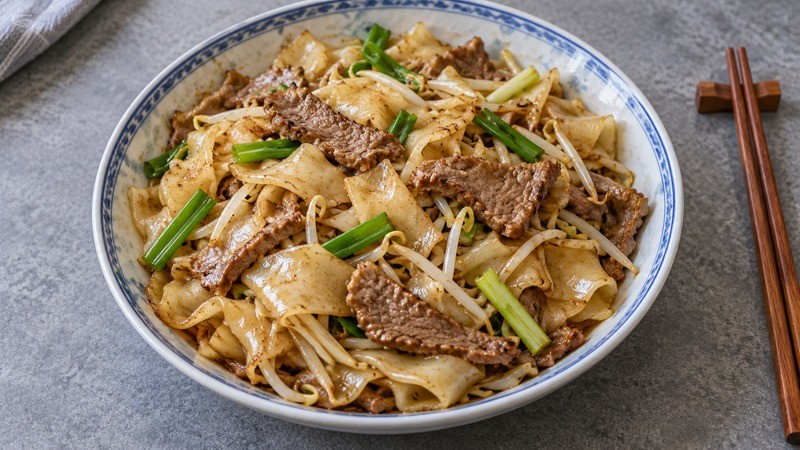
If you’ve ever tried recreating Cantonese beef chow fun at home, only to end up with noodles that are either bland, overly salty, or clumpy together, the problem is likely not the tender beef slices or crisp bean sprouts—it’s the sauce. The beef chow fun sauce is the unsung backbone of this iconic stir-fry, tying every component into a cohesive, flavorful dish that’s a staple in Cantonese home cooking and dim sum menus worldwide.
For overseas readers who want to skip takeout and make this classic at home, mastering the sauce is the key to getting that authentic, balanced taste. This guide will break down exactly what goes into a good beef chow fun sauce, the ingredients you need, step-by-step preparation, common mistakes to avoid, and practical tips to adapt it to your preferences.
What Makes a Good Beef Chow Fun Sauce
The best beef chow fun sauce isn’t just a mix of random seasonings—it’s a balanced blend that hits multiple flavor notes without overpowering the dish. Unlike heavy Western stir-fry sauces, it’s light enough to coat wide rice noodles (called ho fun) without making them soggy, yet rich enough to add depth to every bite of beef and bean sprouts.
For dry-style chow fun, use a thin seasoning mixture that coats the noodles as they fry; no separately cooked starch gravy is required. Wet-style chow fun uses stock and thickener and should be identified as that different dish.
Many home cooks make the mistake of either skimping on key ingredients or over-thickening the sauce, which is why getting the balance right is crucial. This is a core principle of Cantonese cooking: letting each component shine without overwhelming the others, and the beef chow fun sauce is no exception.
Essential Ingredients for Authentic Beef Chow Fun Sauce
To make a sauce that’s true to Cantonese tradition, you’ll need a handful of simple, accessible ingredients—most of which you can find at any Asian grocery store, perfect for overseas readers. Avoid generic substitutes, as they can throw off the flavor.
Light soy and dark soy provide seasoning and color; oyster sauce is used in many versions. Sugar, wine and sesame oil are optional according to the chosen recipe. Stock and starch slurry belong to a gravy-style version, not every dry stir-fry.
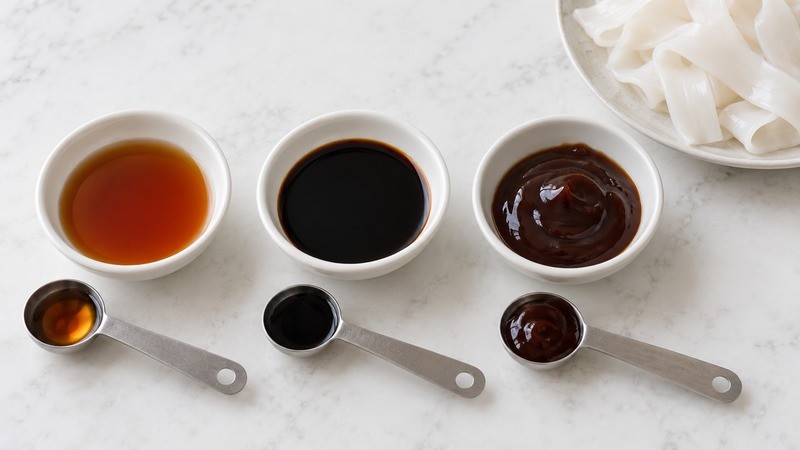
- Light soy sauce: The base of the sauce, providing saltiness and a pale golden color. Look for a premium Cantonese brand like Lee Kum Kee for a balanced, not overly salty taste.
- Dark soy sauce: Adds depth and a rich, dark hue to the sauce. Use sparingly—too much will make the noodles look unappetizing and bitter.
- Oyster sauce: The primary source of umami. Choose a brand with minimal added sugar or preservatives for a cleaner flavor.
- Shaoxing wine: A Chinese rice wine that adds a subtle, aromatic depth. Skip cheap cooking wines with artificial additives; use a mid-range shaoxing wine for best results.
- Granulated sugar: Balances the saltiness of the soy sauces. A small amount goes a long way—about one teaspoon is enough for a small batch.
- Stock: Use it for a wet-style gravy, not as a compulsory addition to dry chow fun. A vegetable-stock variation changes the recipe but does not remove the beef.
- Cornstarch slurry: Needed only if making the separate gravy-style variation. A dry seasoning mixture does not need to be thickened in a saucepan.
- Sesame oil: A finishing touch that adds a nutty aroma. Add it at the end to preserve its delicate flavor.
Step-by-Step Method to Prepare the Beef Chow Fun Sauce
Making the sauce is quick and straightforward, which means you can focus on the stir-fry while the sauce is ready in minutes. Here’s how to do it perfectly every time:
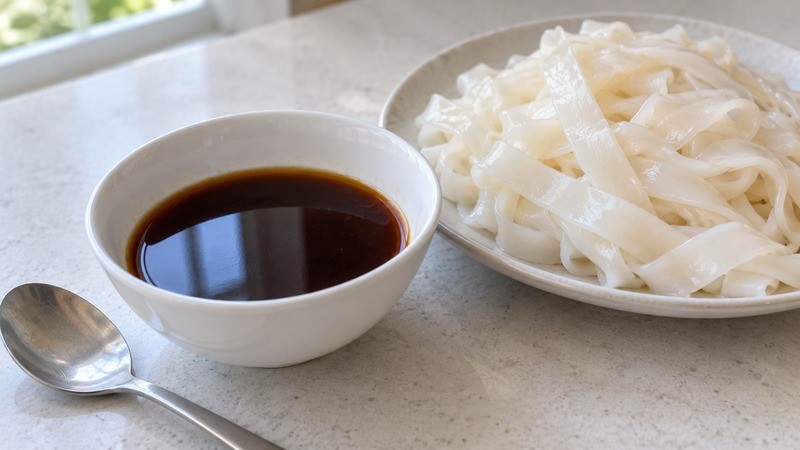
- For a dry-style example using about 450 g fresh rice noodles, Chef Lau’s sauce combines 1 tbsp soy sauce, 1 tbsp oyster sauce and 1 tsp tamari. Dark soy can serve the coloring role in other versions. Mix the seasoning before heating the wok.
- Do not pre-cook this dry seasoning mixture into a thick sauce. Add it to the heated noodles and fold gently until distributed.
- For a gravy-style alternative, follow a complete formulation such as Bill Leung’s saucy chow ho fun, which specifies the noodle quantity, stock and slurry.
- Mix cornstarch with cold water only when making that gravy variation. Re-stir immediately before adding gradually to simmering liquid.
- Continue simmering while stirring until the starch is cooked and the sauce coats a spoon. Gentle warming alone will not reliably thicken starch.
- For wet-style sauce, thin an overly thick gravy with stock; add slurry a little at a time if needed. For dry style, do not solve sticking by pouring in gravy.
- Add a little sesame oil at the end if desired. Keep a clean, unused seasoning mixture covered in the refrigerator if prepared ahead; discard any mixture contaminated with raw beef.
Common Mistakes to Avoid When Making Beef Chow Fun Sauce
Even with the right ingredients, small mistakes can ruin the sauce. Here are the most frequent errors home cooks make, and how to fix them:
- Using too much dark soy sauce: Follow the measured amount for your noodle batch and sauce brand. Dark soy varies in color, salt and sweetness; add it gradually rather than use a universal tablespoon limit or assume extra color improves flavor.
- Stick to the measured amount, or even reduce it if you prefer a lighter color.
- Confusing dry and wet styles: Skipping a slurry is not an error for dry chow fun. It matters only when a thickened gravy is the intended sauce.
- Adding the sauce too early in the stir-fry: If you pour the sauce into the wok before the noodles and beef are fully cooked, it can make the noodles clump together. Wait until the very end of the stir-fry process to add the sauce, tossing everything quickly to coat evenly—this also helps retain the wok hei, the smoky flavor from high heat stir-frying.
- Ignoring label differences: Soy sauces differ by type and brand. Taste the cooked dish and adjust gradually rather than assume all products from one country are saltier.
- This is especially important for overseas readers who might have access to different brands than those in Hong Kong.
- Using low-quality oyster sauce: Cheap oyster sauce often has a metallic or artificial taste. Stick to trusted Cantonese brands to get that authentic umami flavor that makes the sauce stand out.
Home-Cooking Tips for Perfect Beef Chow Fun Sauce Every Time
Once you’ve mastered the basics, these tips will help you adapt the sauce to your taste and make the whole dish easier to prepare. Beginners should start with the exact measurements given, then adjust based on their taste once they get comfortable with the sauce’s flavor profile:
- Make seasoning ahead: Mix a clean unused dry-style seasoning bowl before cooking and keep covered in the refrigerator if not using promptly. A stock gravy needs its own cooking and safe cooling.
- Dietary adjustments: Mushroom sauce can replace oyster sauce for shellfish avoidance, but beef must also be replaced for a vegetarian dish. Check wheat, soy and shellfish labels.
- Adjust sweetness to your preference: If you like a sweeter sauce (common in some regions of Guangdong), add an extra teaspoon of sugar. If you prefer a more savory, less sweet profile, cut the sugar to ½ teaspoon.
- For the wet-style variation: Thin a thick gravy with stock and add re-stirred slurry gradually if needed. Dry-style noodles do not require this gravy step.
- Pair with the right noodles: Use separated ho fun ribbons and thin beef slices. Cheung fun are rice noodle rolls, not the stir-fry noodles used here. See our ho fun guide.
This guide covers everything you need to make a beef chow fun sauce that’s authentic, balanced, and easy to adjust to your taste. Whether you’re a beginner or an experienced home cook, mastering this sauce will take your Cantonese stir-fry to the next level, making it a go-to dish for family meals or gatherings.
Frequently Asked Questions
Can sauce itself create wok hei?
No. Sauce provides seasoning and color; wok aroma depends on cooking technique and heat. More dark sauce does not compensate for crowding or wet noodles.
How is beef chow fun sauce traditionally prepared?
Traditionally, the sauce is prepared by combining soy sauces, oyster sauce, sesame oil, and a pinch of sugar in a small bowl. This mixture is added to the wok at the right moment during stir-frying, allowing the flavors to meld with the beef and noodles while creating a glossy, cohesive coating without being watery.
Does every chow fun sauce need starch?
No. Dry-style seasoning can be soy sauces and oyster sauce without added stock or slurry. A wet-style gravy is a distinct preparation.
Why does my dry chow fun become soupy?
Too much liquid, crowded cookware or wet ingredients can leave pooled sauce. Choose a dry-style recipe, separate noodles and add only its measured seasoning.
Related Cooking Guides
Images are illustrative and may be AI-generated; they do not document recipe testing.