independent Cantonese noodle dish used as featured image

Home cooks searching for cantonese noodles need a style decision before they need a recipe. Fresh tossed noodles, wok-fried noodles, and soup noodles can all fit the phrase, but each one depends on a different texture goal, sauce amount, and serving rhythm.

Quick Answer

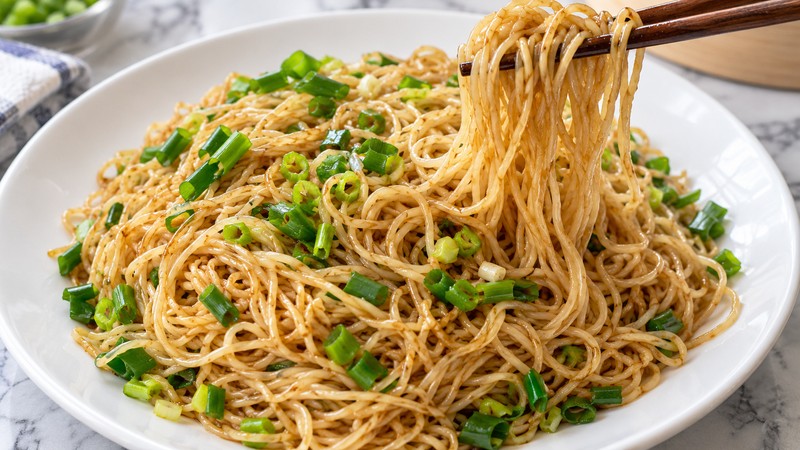
“Cantonese noodles” can refer to several preparations, including fresh egg noodles tossed with sauce, wok-fried noodles, and noodles served in broth. Choose the style by texture and meal goal: toss fresh noodles when you want a quick glossy plate, fry them when you want crisp edges and browned vegetables, or use broth when the noodles are meant to absorb a lighter, warming soup. For a dependable starting point, make soy-scallion tossed noodles and keep the sauce light enough to preserve the noodle’s texture.

Basic Facts

Best quick style Soy-scallion tossed noodles for a glossy plate with springy texture.
Other styles Wok-fried noodles for browned edges; soup noodles for broth-centered bowls.
Main control Noodle type, draining, sauce amount, and serving time.
Sauce base Light soy, a little dark soy, sesame oil, neutral oil, scallions, and hot noodle water.
Texture risk Too much sauce or crowded frying makes noodles wet and heavy.
Safety boundary Follow package directions and local food-safety guidance for toppings and leftovers.

Compare Three Cantonese Noodle Styles

Style Best for – Main control
Soy-scallion tossed Fast meal and springy noodles – Sauce amount and draining
Wok-fried Crisp edges and vegetables – Dry noodles and high heat
Soup noodles Broth-centered bowl – Broth seasoning and serving time

The terms overlap in restaurants, so ask what texture you want before choosing ingredients. A thin fresh egg noodle cooks quickly; a dried wheat noodle may need more boiling and rinsing.

Cantonese Noodles: Soy-Scallion Tossed Method

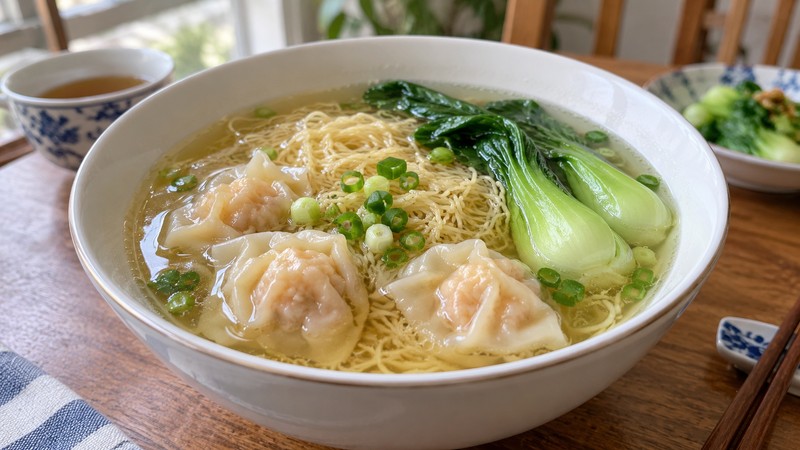
Cantonese wonton noodle bowl used to introduce Cantonese noodle styles
Cantonese wonton noodle bowl used to introduce Cantonese noodle styles. Source: Wikimedia Commons or site media library.

For two servings, prepare 250 g fresh wheat or egg noodles, 3 scallions, 1 tablespoon light soy sauce, 1 teaspoon dark soy sauce for color, 1 teaspoon sesame oil, 1 teaspoon neutral oil, and 2 to 3 tablespoons hot noodle water. Optional additions include blanched bok choy, shredded chicken, roast pork, or mushrooms.

Boil the noodles according to the package directions, stopping when they are just tender. Reserve the hot water, drain, and rinse briefly only if the package calls for it or the noodles are especially starchy. Heat the neutral oil in a pan, add the white scallion pieces, and cook until fragrant. Add the noodles, soy sauces, sesame oil, and a spoonful of noodle water. Toss until the strands are coated but not wet. Finish with scallion greens and serve immediately.

The noodle water is a texture tool, not just filler. Add it gradually so the sauce clings without pooling. If the dish tastes too salty, add more noodles or a little water rather than more sugar.

When to choose wok-fried noodles

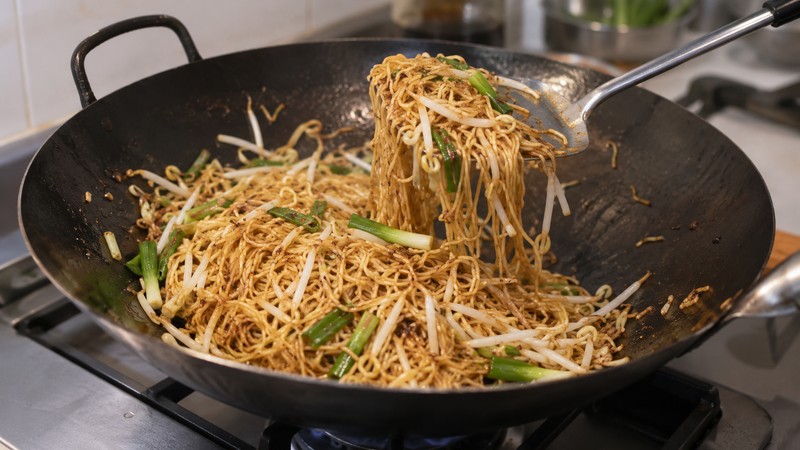
Cantonese fried noodles used to explain wok-fried noodle texture
Cantonese fried noodles used to explain wok-fried noodle texture. Source: Wikimedia Commons or site media library.

Use wok-fried noodles when browned edges and vegetables are the priority. Cook and cool the noodles first, then dry their surface thoroughly. Stir-fry the protein and vegetables separately, return the noodles, and add sauce around the hot pan. Crowding creates steam and softens the strands.

For a Cantonese-style profile, keep the sauce restrained: light soy for seasoning, a small amount of dark soy for color, and optional oyster sauce if it suits the recipe and dietary needs. The wok should add aroma and texture; it should not turn the noodles into a heavy sauce dish.

When to choose soup noodles

Soup noodles need a broth that is seasoned slightly more strongly than a drinking broth because the noodles dilute it. Cook noodles separately when possible and add them just before serving. This keeps starch from clouding the broth and prevents overcooking while the bowl sits.

For neutral food-safety guidance, compare topping and leftover handling with the safe minimum temperature chart before adapting the method.

Substitutions and boundaries

Cantonese beef noodle dish used to show noodle style boundaries
Cantonese beef noodle dish used to show noodle style boundaries. Source: Wikimedia Commons or site media library.

Fresh egg noodles can be replaced with dried wheat noodles, but cooking and rinsing times change. Rice noodles create a different texture and should not be described as an equivalent swap. Soy sauce, oyster sauce, and toppings vary by brand and dietary requirement; check labels for allergens and sodium.

For cantonese noodles, the first decision is texture. Choose tossed noodles for gloss and speed, wok-fried noodles for browned edges, and soup noodles when broth is the center of the bowl.

A second cantonese noodles check is sauce weight. A small amount of noodle water helps soy sauce coat the strands, but too much liquid makes the plate taste flat and wet.

When cooking cantonese noodles, reserve hot noodle water before draining. That small step gives the sauce a way to cling without adding a heavy, sweet coating.

The safest cantonese noodles substitution note is limited: fresh egg noodles, dried wheat noodles, and rice noodles behave differently, so the article labels swaps instead of calling them identical.

A final cantonese noodles review should confirm noodle type, sauce amount, cooking method, toppings, and serving time. Those checks keep a broad query from becoming a loose roundup.

For a quick cantonese noodles plate, keep scallion whites and greens separate. Whites can flavor the oil; greens are better at the end so they stay fresh and aromatic.

A wok-fried cantonese noodles variation needs dry noodles. If the noodles go into the pan wet, the wok steams them before the surface can brown.

For soup-style cantonese noodles, cook noodles separately when possible. Starchy cooking water can cloud the broth and change the intended light texture.

Before serving cantonese noodles, taste sauce and noodles together. Soy brands vary, and the same tablespoon can taste gentle in one kitchen and too salty in another.

This cantonese noodles guide stays centered on choosing and controlling a style, not claiming one restaurant version is the only correct Cantonese noodle dish.

For takeout-style cantonese noodles expectations, ask whether the reader wants springy strands, crisp wok edges, or broth comfort. Those three goals need different moisture levels and should not be forced into one method.

A practical cantonese noodles test is to lift the noodles with chopsticks after saucing. If strands clump heavily, add a spoonful of hot water and toss; if sauce pools at the bottom, reduce liquid next time.

When adding roast pork, chicken, shrimp, or mushrooms to cantonese noodles, keep toppings cooked safely and add them near the end. The noodle method should not become a shortcut for undercooked protein.

For a lighter cantonese noodles plate, use scallion aroma and noodle water before adding more soy sauce. This keeps the flavor clean and prevents the dish from becoming salty before the noodles are fully coated.

A final cantonese noodles serving note should record noodle brand, cooking time, sauce amount, and whether the noodles were tossed, fried, or served in broth. That record makes the next bowl easier to repeat.

If the noodles will sit for several minutes, keep the sauce slightly lighter and add scallion greens at the table. Resting time changes texture quickly, so a good cantonese noodles plate should be served while the strands still separate easily.

For family cooking, the safest cantonese noodles variation is the one that names the style first. A soup bowl, a fried plate, and a tossed noodle dish can share Cantonese seasoning ideas, but the cook should not mix their timing rules.

This keeps the guide practical for a home kitchen and prevents a broad noodle query from turning into an unfocused recipe roundup with unclear timing.

For related routes, compare this guide with the Cantonese recipes hub, a soup-focused Cantonese lotus root soup, and the broader dim sum guide.

Quick reference

Main styles Soy-scallion tossed, wok-fried, and soup noodles.
Best quick option Soy-scallion tossed noodles with a light glossy sauce.
Texture control Drain well, add noodle water gradually, and avoid pooling sauce.
Wok-fried risk Crowding creates steam and soft noodles instead of browned edges.
Substitution limit Rice noodles create a different texture and should be labeled clearly.

Frequently Asked Questions

What noodles are used in Cantonese cooking?

Fresh egg or wheat noodles are common in many Cantonese-style preparations, but dried wheat and rice noodles appear in different dishes. Choose by the intended texture and method.

Should I rinse noodles before tossing them with sauce?

Follow the package directions. A brief rinse can remove excess starch, but over-rinsing cools the noodles and weakens sauce adhesion.

How do I stop wok-fried noodles from becoming soggy?

Dry the cooked noodles, avoid crowding, cook ingredients in stages, and add sauce only after the noodles have had time to sear.

Can I use rice noodles in a Cantonese noodle recipe?

You can create a Cantonese-inspired dish, but rice noodles have different texture and cooking behavior. Label the substitution clearly.

How long can cooked noodles sit?

Serve promptly for best texture and follow local food-safety guidance for cooling, refrigeration, and reheating leftovers.


Tags: cantonese noodles Cantonese recipes

Powered by Shanyue Group | Contact: contact@shanyuegroup.com

About | Contact | Privacy Policy

© 2026 Shanyue Group • All Rights Reserved