Asian BBQ pork loin costs between $12–$18 per serving in Cantonese restaurants, but you can make it at home for under $5, with a total prep and cook time of just 90 minutes. This sweet, savory, glossy cut of pork—known in Cantonese as char siu—is a cornerstone of Cantonese culinary identity, bridging everyday home cooking and celebratory feasts.
For Cantonese communities around the world, it’s more than a meal: it’s a taste of childhood, a staple in dim sum, rice bowls, and congee, and a symbol of warmth and hospitality. Unlike generic Western BBQ, Asian BBQ pork loin leans into balanced umami, subtle spice from five-spice, and a sticky, caramelized glaze that sets it apart.
What Is asian bbq pork loin?
Asian BBQ pork loin—better known in its Cantonese origin as char siu, meaning “fork-roasted pork”—is an iconic roasted meat dish that forms the backbone of Cantonese siu mei, or “roasted meats,” a category that has defined Cantonese cuisine for over a thousand years. Dating back to the Song Dynasty (960–1279 AD), when Cantonese street vendors skewered pork on long metal forks and roasted it over charcoal fires for market sales, char siu was originally a way to use affordable cuts of pork and create a flavorful, visually striking dish that drew crowds.
Culturally, char siu is far more than a meal for Cantonese communities: it’s a symbol of abundance, warmth, and tradition. It appears on every Cantonese dining occasion, from weekday family dinners where it’s served over steamed rice to dim sum carts where it fills fluffy char siu buns, and Lunar New Year feasts where whole roasted loins are displayed at markets as a sign of good fortune.
Unlike Western BBQ, which often leans into smoky, tangy flavors, Asian BBQ pork loin balances sweet, savory, and subtle aromatic notes, with a glossy, caramelized glaze that is its signature trait. This balance is what sets it apart: the marinade combines umami-rich soy sauces, sweet rock sugar, aromatic five-spice powder, and a hint of Shaoxing wine, creating a flavor profile that is both complex and approachable, beloved by locals and diaspora communities alike.
Authentic asian bbq pork loin Recipe
This recipe follows traditional Cantonese techniques, prioritizing slow marination and careful roasting to achieve the signature glossy, juicy char siu. Asian Bbq Pork Loin It serves 4 people, with minimal hands-on time.
Ingredients
1.5 lbs (700g) pork loin, trimmed of excess fat and tied at 2-inch intervals for even cooking
2 tbsp light soy sauce
1 tbsp dark soy sauce
2 tbsp hoisin sauce
1 tbsp oyster sauce
2 tbsp Shaoxing wine (Chinese rice wine)
3 tbsp crushed rock sugar
1 tsp five-spice powder
½ tsp white pepper
1 tsp red food coloring (optional, for traditional bright red hue)
4 garlic cloves, minced
1 inch fresh ginger, grated
2 tbsp honey (for final glazing)
1 tbsp maltose (optional, for extra gloss)
1 tsp sesame oil
Step-by-Step Instructions
- Trim the pork loin: Remove any large patches of excess fat, leaving a thin layer to keep the meat moist during roasting. Tie the loin at 2-inch intervals with kitchen twine to ensure it cooks evenly and holds its shape.
- Asian Bbq Pork Loin Pat dry with paper towels.
- Make the marinade: In a large bowl, whisk together light soy sauce, dark soy sauce, hoisin sauce, oyster sauce, Shaoxing wine, crushed rock sugar, five-spice powder, white pepper, red food coloring (if using), minced garlic, grated ginger, and sesame oil until the sugar dissolves completely.
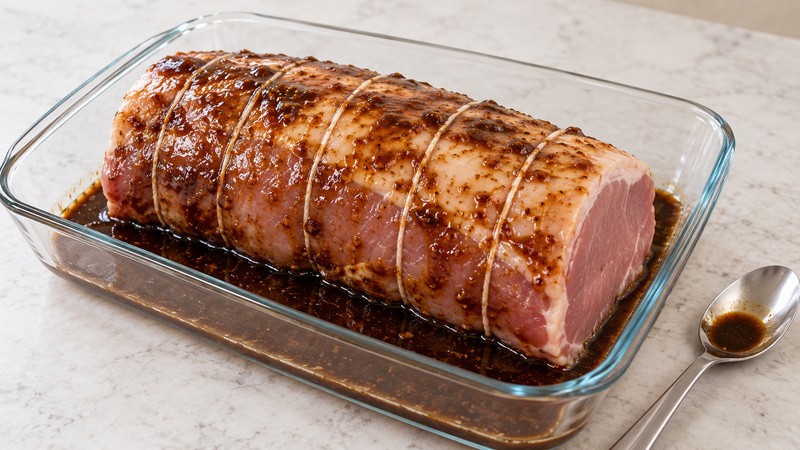
- Marinate the pork: Place the trimmed pork loin in a zip-top bag or a shallow dish. Pour the marinade over the pork, turning to coat it fully.
- Asian Bbq Pork Loin Seal the bag or cover the dish, and refrigerate for at least 2 hours (or overnight for deeper flavor—this is a critical authentic step).
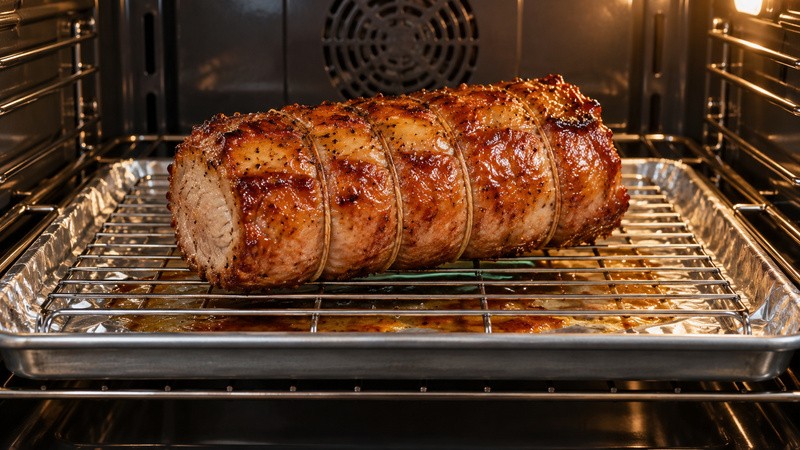
- Preheat the oven: Preheat your oven to 375°F (190°C). Asian Bbq Pork Loin Line a baking sheet with aluminum foil for easy cleanup, then place a wire rack on top of the baking sheet to allow air circulation around the pork.
- Roast the pork: Remove the pork from the marinade, reserving the leftover marinade in a small bowl. Place the pork loin on the wire rack, ensuring it is not touching the baking sheet.
- Asian Bbq Pork Loin Roast for 20 minutes.
- First glaze: After 20 minutes, remove the pork from the oven. Brush the entire surface of the pork with the reserved marinade.
- Asian Bbq Pork Loin Return it to the oven and roast for another 15 minutes.
- Flip and re-glaze: Carefully flip the pork loin using two spatulas to avoid tearing. Brush the newly exposed side with the reserved marinade. Asian Bbq Pork Loin Roast for an additional 10 minutes.
- Final glaze and broil: Mix honey and maltose (if using) in a small bowl. Brush the entire pork loin with this glaze.
- Asian Bbq Pork Loin Turn the oven to broil (high heat) and broil for 1–2 minutes, watching closely to avoid burning—this step creates the signature glossy, caramelized crust that defines authentic char siu.
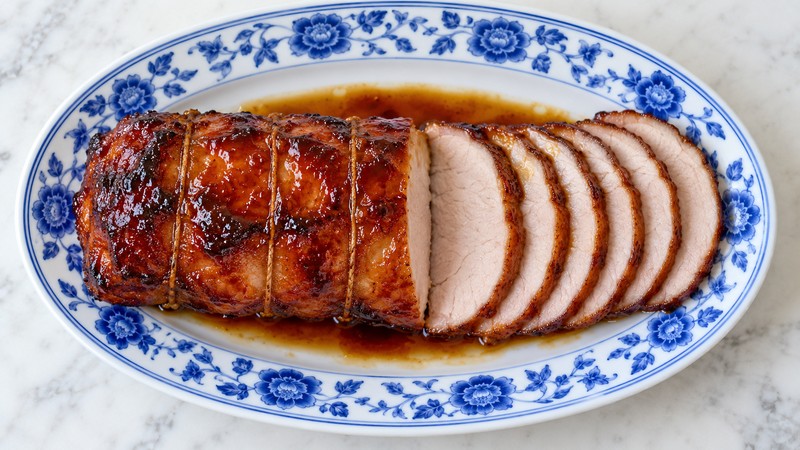
- Rest and slice: Remove the pork from the oven and let it rest for 10 minutes (this locks in juices, preventing the meat from drying out when sliced). Asian Bbq Pork Loin Remove the twine, then slice the pork thinly against the grain for the most tender texture.
asian bbq pork loin Variations
Char siu adapts significantly across Cantonese regions and home vs. restaurant settings, reflecting local tastes and accessibility.
Hong Kong style char siu, for example, is known for its extreme sweetness and bright, almost neon red hue, achieved by using more red food coloring and maltose instead of honey for a thicker gloss. This version is a staple at cha chaan teng (Hong Kong tea houses), where it’s served in char siu bau (steamed buns), char siu rice with a runny fried egg, or tossed with wonton noodles.
Asian Bbq Pork Loin In contrast, mainland Cantonese char siu (from Guangzhou, the dish’s origin) tends to be less sweet, with deeper umami from extra oyster sauce and sometimes a hint of fermented red bean curd, giving it a more savory, earthy profile.
Home cooks often tweak the recipe to fit their kitchens and dietary preferences. Many skip the broil step for a simpler roast, while air fryer versions cut cook time to 45 minutes by using higher heat and pre-sliced pork.
Some home cooks also swap pork loin for pork shoulder (butt), the cut most often used in restaurants, which has higher fat content that keeps the meat juicier and more tender. Asian Bbq Pork Loin Outside Cantonese communities, variations exist too: in Singapore and Malaysia, char siu is often added to laksa or char kway teow, while in parts of the US, some fusion versions add chili flakes for a spicy twist.
Serving asian bbq pork loin the Cantonese Way
Traditional Cantonese serving of char siu is simple and focused on letting the pork’s flavor shine. Sliced thin against the grain, it’s arranged in a neat fan on a white plate, drizzled with a small amount of the pan juices from roasting to add moisture.
It is most commonly served over steamed white rice, paired with a small side of pickled mustard greens (suan cai) or pickled daikon to cut through the richness of the glaze. Asian Bbq Pork Loin For dim sum service, char siu is stuffed into soft, fluffy steamed buns, or added to wonton noodle soup for a hearty, comforting meal.
Common mistakes to avoid when serving char siu include overcooking the pork (it should be slightly pink in the center, not dry and tough), skipping the rest period after roasting (this locks in juices, so resting for 10 minutes is non-negotiable), and burning the glaze during broiling—char siu’s signature gloss is delicate, so it’s important to watch the pork closely during the final broil step, as it can go from golden to charred in seconds. Asian Bbq Pork Loin For celebratory occasions like Lunar New Year, whole char siu loins are often served as a centerpiece, symbolizing prosperity and good luck for the year ahead.

FAQs
Q: Is authentic char siu difficult to make at home?
A: Not at all, as long as you follow the key steps: marinating for at least 2 hours (or overnight for deeper flavor) and resting the pork after roasting. The broil step is optional but gives that signature glossy finish, so even if you skip it, the taste will still be authentic.
Asian Bbq Pork Loin Most home cooks can master this recipe on their first try with basic oven tools. Q: Can I substitute any ingredients if I don’t have a specific item?
A: Absolutely. If you don’t have Shaoxing wine, dry sherry or mirin works as a substitute (though Shaoxing adds a deeper, more complex umami).
Red food coloring is optional—skip it for a natural deep brown color from the dark soy sauce and glaze. Asian Bbq Pork Loin If you don’t have maltose, extra honey mixed with a tiny bit of corn syrup will give a similar glossy finish.
Q: How long can I store leftover char siu?
A: Leftover char siu will keep in an airtight container in the fridge for up to 3 days. For longer storage, slice it thinly and freeze for up to 1 month.
Asian Bbq Pork Loin Reheat gently in a 300°F (150°C) oven for 5–7 minutes to keep it moist, or use a microwave for quick reheating (avoid overheating, as this will dry out the meat). Q: What’s the difference between char siu and other Asian BBQ pork dishes?
A: Char siu is specifically Cantonese, with a marinade centered on five-spice powder, hoisin sauce, rock sugar, and soy sauce. It’s distinct from Korean bulgogi (thin-cut pork marinated in pear, soy, and garlic for a sweet-savory profile) or Japanese yakitori (grilled skewers with a savory tare sauce).
Asian Bbq Pork Loin The balance of sweet and savory, plus the thick caramelized glaze, is unique to Cantonese char siu. Q: Can I use a different cut of pork instead of loin?
A: Yes! Many Cantonese restaurants use pork shoulder (butt) for char siu, as its higher fat content keeps the meat juicy and tender.
Pork loin is leaner, which is great for those who prefer less fat, but shoulder will give a more melt-in-your-mouth texture. Asian Bbq Pork Loin Adjust cook time slightly if using a thicker cut of pork.
Q: Why is char siu traditionally red?
A: The bright red color is a traditional aesthetic choice, achieved by adding a small amount of red food coloring to the marinade. Historically, some Cantonese butchers used red yeast rice (angkak) to color the pork, which also added a subtle earthy, slightly fermented flavor.
Asian Bbq Pork Loin Today, many home cooks skip the food coloring for a more natural look, relying on dark soy sauce and glaze to create a deep, rich brown hue.

Asian Bbq Pork Buns Yue Cuisine 2 Hong Kong Food Wikipedia
Frequently Asked Questions
What is the significance of asian bbq pork loin in Cantonese cuisine?
In Cantonese cuisine, BBQ pork loin (叉燒) is considered a cornerstone dish, often served at dim sum restaurants and as a main course. It represents the mastery of the char siu (燒臘) tradition, showcasing the delicate balance of sweet, savory, and smoky flavors that define Cantonese barbecue techniques.
How is asian bbq pork loin traditionally prepared?
Traditional preparation involves marinating pork loin in a mixture of hoisin sauce, soy sauce, honey, five-spice powder, and char siu sauce for several hours. The meat is then roasted on hooks in a clay oven or over open flame, basting repeatedly with the marinade to create a caramelized, reddish-brown glaze with a slightly charred exterior.
What ingredients are essential for asian bbq pork loin?
Essential ingredients include pork loin or shoulder, hoisin sauce, soy sauce, honey or maltose, Chinese five-spice powder, garlic, ginger, shaoxing wine, and red food coloring (optional but traditional for the characteristic red hue). Some recipes also include oyster sauce and dried tangerine peel for added depth.
What are the health benefits of asian bbq pork loin?
Pork loin is a good source of lean protein, B vitamins (especially B1, B6, and B12), and minerals like selenium and zinc. When prepared with minimal oil and paired with vegetables, it can be part of a balanced diet. However, the honey and sugar content in the marinade should be consumed in moderation.
What are common mistakes when making asian bbq pork loin?
Common mistakes include using too lean meat (which results in dry, tough texture), not marinating long enough, overcooking the pork which makes it dry, using insufficient honey or maltose for the glaze, not basting frequently during roasting, and overcrowding the oven which prevents proper caramelization.