Asian style bbq pork costs between $12-$18 per serving in Cantonese restaurants, but you can make it at home for under $5. A 1-pound cut of pork shoulder, the key protein, costs roughly $7, with marinade ingredients like soy sauce, honey, and five-spice powder adding $10 total for four servings, bringing each plate to just over $4.
Cooking takes about 4.5 hours total—20 minutes of prep, 4 hours of marination, and 30 minutes of roasting—making it a weekend project that yields restaurant-quality results. Known in Cantonese as char siu (meaning “fork-roasted pork”), it is a cornerstone of Cantonese culinary identity, celebrated for its glossy, sweet-savory flavor and cultural significance in holidays and everyday meals.
What Is asian style bbq pork?
Asian style bbq pork, most famously its Cantonese iteration char siu, is a staple of siu mei—Cantonese cuisine’s beloved category of roasted, glazed meats, which also includes roast pork belly (siu yuk) and roasted goose (siu nga). Its origins trace back over a thousand years to China’s Tang Dynasty (618–907 CE), where imperial chefs roasted pork with honey and aromatic spices for royal banquets.
As the dish spread south to Guangdong province, it evolved into the char siu we know today, adapted to local ingredients and flavor preferences.
Culturally, char siu is far more than a meal—it is a symbol of Cantonese heritage. It appears in nearly every aspect of daily life: sliced thin over steamed rice (char siu fan), stuffed into steamed dim sum buns (char siu bao), or paired with noodles for a quick lunch.
Asian Style Bbq Pork In Cantonese neighborhoods around the world, siu mei shops line street corners, their storefronts displaying rows of glistening char siu hanging from hooks, drawing crowds of customers for fresh, hot servings. Its cultural significance peaks during Lunar New Year, where char siu takes center stage in family reunion dinners.
The bright red of the glaze is tied to luck and prosperity in Chinese culture, making it a mandatory dish to welcome good fortune in the coming year. Asian Style Bbq Pork Families often order extra to share with neighbors, reinforcing community bonds while celebrating the holiday.

Authentic Cantonese Style Char Siu Recipe
This recipe follows traditional Cantonese techniques, prioritizing balanced flavors and a glossy, sticky crust that defines authentic char siu. Asian Style Bbq Pork It uses ingredients easily found in most Asian grocery stores, with specific steps to ensure tenderness and depth.
Ingredients (Serves 4)
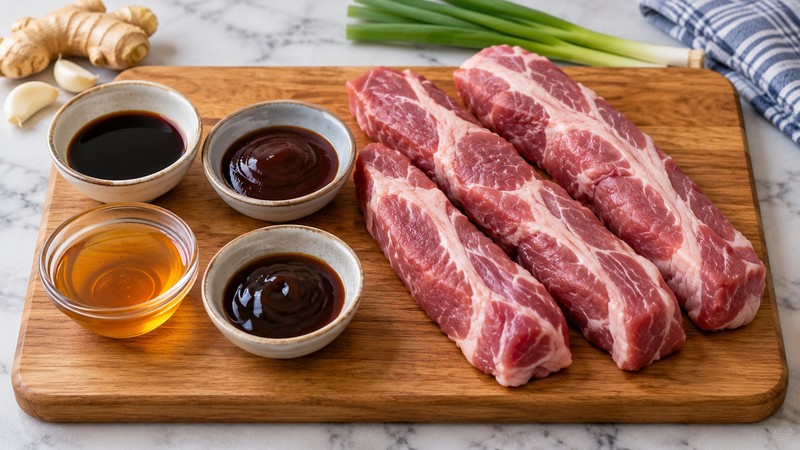
- Pork shoulder (1 lb / 450g, trimmed of excess fat to ¼-inch thickness)
- Light soy sauce (2 tbsp / 30ml, for saltiness and subtle umami)
- Dark soy sauce (1 tbsp / 15ml, for deep color and rich flavor)
- Hoisin sauce (2 tbsp / 30ml, for sweet-savory depth)
- Oyster sauce (1 tbsp / 15ml, for briny umami)
- Shaoxing wine (2 tbsp / 30ml, Chinese rice wine, for aromatic depth)
- Raw honey (3 tbsp / 45ml, for sweetness and gloss)
- Cantonese five-spice powder (1 tsp / 5g, balanced with star anise, cinnamon, cloves, Sichuan pepper, and fennel)
- Fresh garlic (3 cloves, minced)
- Fresh ginger (1 tsp / grated)
- Red food coloring (1 tiny drop, optional, for traditional bright red hue)
- Rice vinegar (1 tsp / 5ml, to balance sweetness)
Step-by-Step Instructions
- Choose the right cut: Select pork shoulder (also called pork butt) with a thin layer of fat—this keeps the meat juicy during roasting, unlike lean pork loin which often dries out. Asian Style Bbq Pork Trim any large, thick fat chunks to ¼ inch to avoid excess grease.
- Make the marinade: In a medium bowl, whisk together all marinade ingredients until smooth. Asian Style Bbq Pork The mix should be thick enough to coat the pork without being runny.
- Marinate the pork: Place the trimmed pork in a zip-top bag or shallow dish, pour the marinade over it, and turn to coat every inch. Asian Style Bbq Pork Seal the bag, removing as much air as possible, and refrigerate for at least 4 hours—overnight (12–24 hours) is ideal for deep flavor penetration.
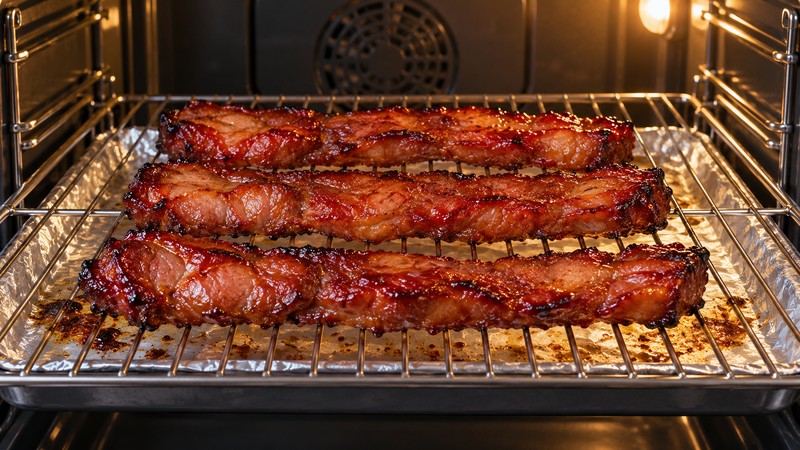
- Prep for roasting: Preheat your oven to 375°F (190°C). Line a baking sheet with aluminum foil for easy cleanup, then place a wire rack on top to elevate the pork.
- Asian Style Bbq Pork This allows fat to drip away and ensures even cooking, preventing the meat from sitting in grease.
- First roast: Remove the pork from the marinade, reserving the leftover marinade in a small bowl for basting. Asian Style Bbq Pork Place the pork on the wire rack and roast for 15 minutes.
- Baste and flip: After 15 minutes, take the pork out, brush the top generously with reserved marinade, then flip it over. Asian Style Bbq Pork Brush the new top with marinade as well—this builds the sticky, glossy crust that is char siu’s signature.
- Second roast: Return the pork to the oven and roast for another 10 minutes, then repeat the basting step. Asian Style Bbq Pork This double-basting ensures the flavor seeps into the meat and the glaze adheres properly.
- Finish with honey: Turn the oven to broil (high heat) for the final 2–3 minutes. Brush the pork with an extra tablespoon of honey, then broil carefully—watch closely to avoid burning, as broil heat is intense.
- Asian Style Bbq Pork The goal is a slightly charred, shiny exterior.
- Rest and slice: Let the pork rest for 5 minutes on the rack to redistribute juices, then slice against the grain into ¼-inch thick pieces. Asian Style Bbq Pork This ensures each slice is tender and juicy, not chewy.
Asian Style BBQ Pork Variations
While Cantonese char siu is the most iconic version, regional adaptations across Asia offer unique twists. Hong Kong style char siu, for example, is often sweeter than mainland Guangzhou’s version, using maltose instead of some honey for a softer, stickier texture and omitting five-spice powder to highlight the pork’s natural flavor.
In contrast, Guangzhou char siu has a balanced sweet-savory profile with a subtle five-spice note, making it versatile for pairing with rice or noodles. Asian Style Bbq Pork In Southeast Asia (Malaysia, Singapore), char siu is often served with noodles and includes a tangy twist from added pineapple juice or lime, cutting through the richness of the glaze.
Home cooks also adapt char siu to their preferences, creating differences from restaurant versions. Traditional restaurant char siu is roasted over charcoal in a rotating rotisserie, giving it a smoky, even char that’s hard to replicate at home.
Home cooks often use oven roasting (as above) or grilling for a smoky flavor, while some use air fryers for a quicker, though less juicy, version. Many home bakers adjust sweetness: some reduce sugar for a healthier take, while others add extra honey for a richer glaze.
Asian Style Bbq Pork A common home variation is using pork belly instead of shoulder for extra fat, though this is less traditional for authentic Cantonese char siu.
Serving Asian Style BBQ Pork the Cantonese Way
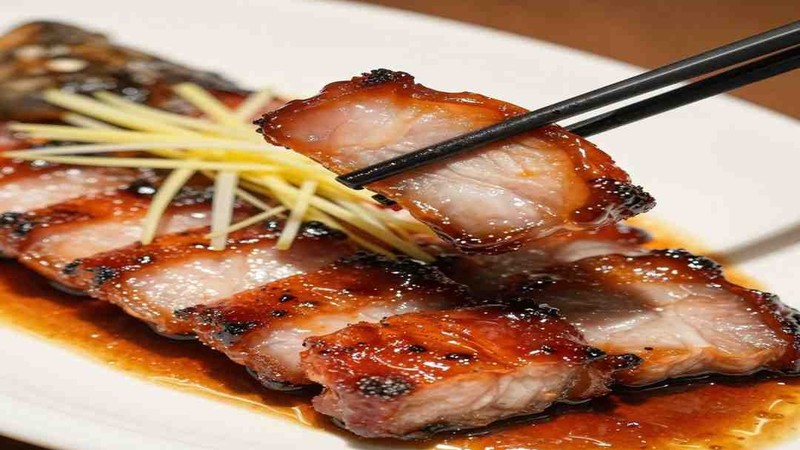
Cantonese tradition dictates that char siu is served simply to highlight its flavor, without overpowering it. The classic presentation is thin slices arranged neatly on a platter, with the glossy red glaze on full display.
It is a core component of dim sum: in char siu bao, diced pork is mixed with a sweet sauce, wrapped in soft steamed dough, and served as a bite-sized treat. For everyday meals, it is served over steamed rice (char siu fan) with a drizzle of the pan’s reserved glaze and a side of pickled mustard greens (suan cai) to balance the sweetness and richness.
Asian Style Bbq Pork During holidays, it is paired with other siu mei like roast pork belly and roasted goose, creating a platter of festive meats for family gatherings.
Common mistakes to avoid when serving char siu include over-slicing (thicker slices can be chewy) and using too lean a cut of pork, which results in dry meat. Another error is skipping the final broil step, leading to a dull, less flavorful crust.
Asian Style Bbq Pork For an authentic touch, serve with a small bowl of heated reserved marinade as a dipping sauce, or sprinkle toasted sesame seeds on top for extra texture.

FAQs
- Is Cantonese char siu difficult to make at home?
Not at all! The only waiting period is the marination time—once that’s done, the roasting steps are straightforward.
Asian Style Bbq Pork As long as you baste the pork regularly and don’t overcook it, you’ll get tender, flavorful results that rival restaurant versions.
- Can I substitute Shaoxing wine if I don’t have it?
Absolutely. If you don’t have Shaoxing wine, use dry sherry or a 1:1 mix of rice vinegar and water to replace the aroma and tang.
Asian Style Bbq Pork Avoid cooking wines with added salt, as they will throw off the marinade’s balanced flavor.
- How do I store leftover char siu?
Store sliced char siu in an airtight container in the fridge for up to 3 days. For longer storage, freeze for up to 1 month.
Asian Style Bbq Pork Reheat gently in a pan with a splash of water or extra marinade to keep it moist—microwaving can make it dry and rubbery.
- What’s the difference between Cantonese char siu and other Asian BBQ pork?
Cantonese char siu is part of the siu mei roasted meat tradition, with a distinct sweet-savory glaze and bright red color. Korean bulgogi is marinated in soy sauce, garlic, and gochujang for a spicy-sweet flavor, while Japanese teriyaki pork uses soy and mirin for a milder taste.
Asian Style Bbq Pork Char siu’s five-spice and hoisin sauce give it a unique, complex profile.
- Do I have to use red food coloring?
No! The bright red hue is traditional, but it’s optional.
Dark soy sauce and honey create a deep brown-red color, so you can skip the food coloring if you prefer a more natural look. Asian Style Bbq Pork Many authentic siu mei shops use natural ingredients, so a tiny drop is just for that iconic vibrant appearance.
- Why is marination time so important?
Marination allows the flavors to penetrate the pork, not just coat the surface. A minimum of 4 hours ensures salt, sugar, and spices infuse the meat, making it flavorful throughout.
Asian Style Bbq Pork Overnight marination (12–24 hours) is even better, deepening the umami and aroma for a more complex, delicious char siu.

How to Make Guangdong Food: The Authentic Cantonese Recipe How to Make Cantonese Food: The Authentic Cantonese Recipe How to Make Yue Cuisine: The Authentic Cantonese Recipe Wikipedia
Frequently Asked Questions
What is the significance of asian style bbq pork in Cantonese cuisine?
In Cantonese cuisine, BBQ pork (叉燒 / chā sīu) is one of the most iconic and beloved dishes, often served in dim sum, as a main course, or as a filling for rice bowls and noodles. It represents the perfect balance of sweet and savory flavors that defines Cantonese cooking. Often hung in restaurant windows as display, it symbolizes prosperity and is a staple at festive occasions and family dinners.
How is asian style bbq pork traditionally prepared?
Traditionally, Cantonese BBQ pork is prepared by marinating pork loin or pork belly in a mixture of honey, soy sauce, oyster sauce, five spice powder, and red yeast rice for coloring. The meat is then hung on hooks and roasted in a specialized oven or over open fire, basting repeatedly with maltose or honey glaze to create the characteristic glossy, caramelized exterior. It’s typically cooked at high heat until the exterior becomes charred and sticky while remaining tender inside.
What ingredients are essential for asian style bbq pork?
The essential ingredients for authentic Cantonese BBQ pork include: pork loin or pork belly, soy sauce, hoisin sauce, oyster sauce, honey or maltose, five spice powder, garlic, ginger, Shaoxing wine, red yeast rice (for the signature red color), and sometimes sesame oil. The combination of sweet (honey), savory (soy and oyster sauce), and aromatic (five spice, garlic, ginger) elements creates the distinctive flavor profile.
What are the health benefits of asian style bbq pork?
While Cantonese BBQ pork is enjoyed for its taste, it does offer some nutritional benefits: pork is a good source of protein, B vitamins (especially B1, B6, and B12), zinc, and selenium. The marinade often includes ginger and garlic, which have anti-inflammatory and immune-boosting properties. However, it is typically high in sodium and saturated fat, so it should be consumed in moderation as part of a balanced diet.
What are common mistakes when making asian style bbq pork?
Common mistakes when making Cantonese BBQ pork include: using pork that is too lean (results in dry, tough meat), not marinating long enough (lacks flavor penetration), using too high heat initially (causes burning before interior cooks), skipping the honey or maltose glaze (loses the signature glossy coating), not resting the meat before slicing (causes juices to run out), and overcrowding the oven (prevents proper caramelization). Another frequent error is not scoring the meat properly, which prevents the marinade from absorbing fully.