Beer-steamed crab is a home-style variation of steaming crab with ginger and scallion. Beer contributes aroma, but a restaurant’s flavor is not proof that beer was used. This guide keeps the preparation simple without claiming a documented regional origin.
Quick Answer
Beer steamed crab works in Cantonese cooking because beer adds a light aroma while steaming preserves the crab's sweetness, clean texture, and natural seafood flavor.
Basic Facts
| Dish type | Cantonese-style steamed seafood |
|---|---|
| Main technique | Gentle steaming with aromatics |
| Flavor goal | Fresh, sweet, clean, and lightly fragrant |
| Common mistake | Using too much beer or overcooking the crab |
Quick reference: The practical judgment points are crab freshness, steaming time, beer amount, aromatics, and serving temperature.
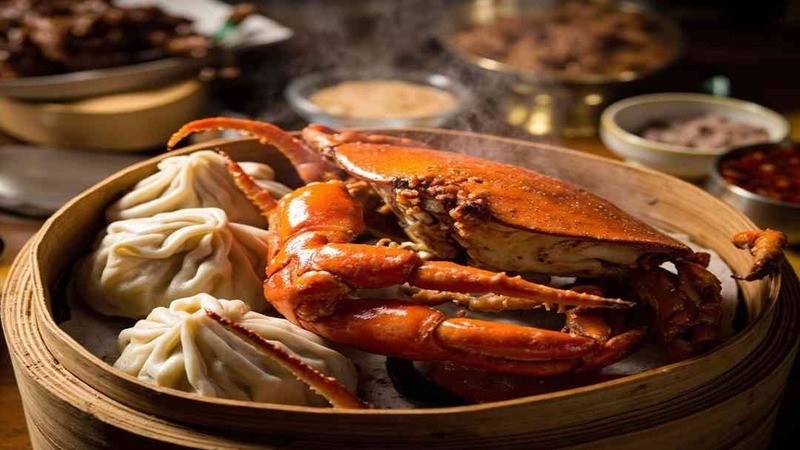
This recipe is tailored for overseas readers, who may not have access to the exact ingredients found in Guangdong’s wet markets, so we’ll include substitutions and tips to adapt it to local stores. Whether you’re cooking for a small gathering or a quiet weeknight meal, this dish balances simplicity and authenticity, making it a go-to for anyone who loves Cantonese seafood.
Why Beer Enhances Cantonese Steamed Crab
Ginger and scallion provide fragrance; a little light beer can add malt notes. These are flavor choices, not a way to neutralize a supposed cooling effect or make spoiled crab safe.
Use beer as an optional variation rather than a requirement for Cantonese steamed crab.
Essential Ingredients for Beer Steamed Crab
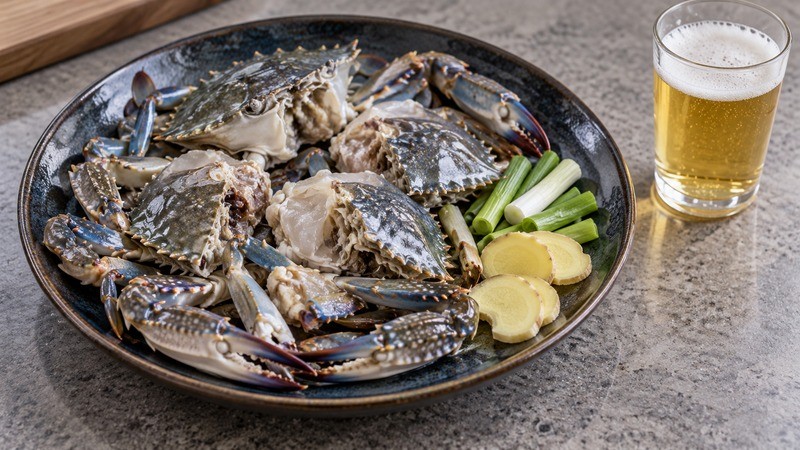
Choose a live crab of a size that fits your plate, or a reliably packaged frozen product. One 700-900 g whole crab can be a shared dish; portions vary with edible yield and the rest of the meal. Live crabs should move their legs, and the vendor should explain safe handling and preparation.
For frozen crab, check whether it is raw or already cooked: reheating cooked Dungeness or king-crab legs is not the same as steaming raw whole crab. Thaw as directed in the refrigerator. Choose mild beer if using it.
For that suggested shared batch, use 6-8 ginger slices and 2 scallions. Start with a small amount of beer, about 60 ml (1/4 cup), on a deep heatproof plate, adding only enough to avoid dry aromatics; this is an editorial starting point, not a tested formula.
See our plate-steamed shrimp guide for the rack-and-plate setup.
Step-by-Step Home Cooking Technique
Cooking beer steamed crab at home is straightforward, but timing is crucial to avoid rubbery meat. Here’s the step-by-step process:
- Prepare: Ask the vendor to show safe humane preparation or supply freshly prepared crab kept cold. Remove gills and clean the shell and body, taking care with claws and sharp shell edges. Cut large bodies into even sections.
- Scrub the body clean of any gills, then cut it into 4 pieces (if large) or leave it whole for smaller crabs. Pat the pieces dry with a paper towel to remove excess moisture.
- Arrange: Place ginger and scallion on a deep heatproof plate and arrange crab sections over them. Set the plate securely on a rack above the boiling water; do not pour beer through a bare bamboo basket.
- Add the small measured beer amount to the plate, not to an uncovered burner or the steamer’s heating surface.
- Steam: Cover and maintain steady steam. Size, species and whether the crab is whole or sectioned change cooking time. Check thick flesh for 145 F (63 C) and firm, pearly, opaque meat; shell color alone is insufficient.
- A timer is a reminder to check, not a guarantee that the crab is done. Do not stop cooking an underdone crab to obey a fixed ten-minute limit.
- Serve: Open the lid away from your face and remove the hot plate with mitts. Serve once fully cooked, using only fully heated cooking juices.
Use a food thermometer where the meat is thick enough to measure. Avoid repeatedly opening the lid, but check doneness before serving.
Serving and Pairing Tips
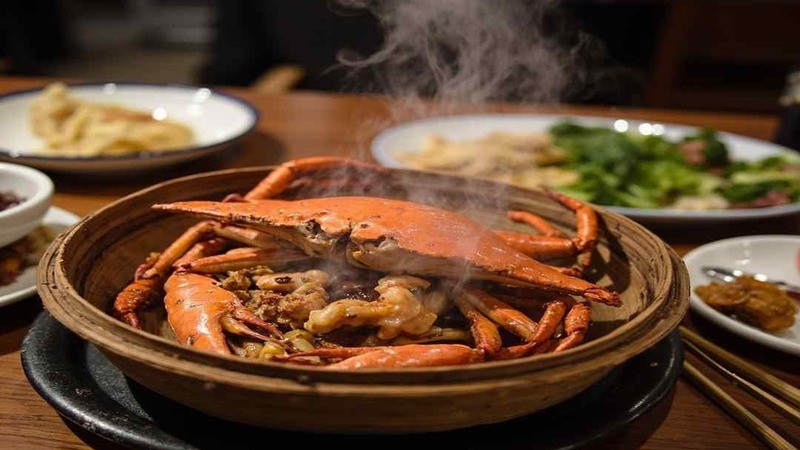
Beer steamed crab is best served immediately, while the meat is still hot and juicy. For a traditional Cantonese touch, serve it with a small bowl of ginger-scallion dipping sauce (mix finely chopped ginger, scallion, and a splash of light soy sauce) on the side—this adds an extra layer of flavor without overpowering the crab.
If you’re cooking for overseas diners, pair it with steamed jasmine rice to balance the dish’s richness, or a light side of stir-fried bok choy to add a fresh vegetable element that cuts through the seafood’s sweetness.
Dungeness crab can also work, but adjust to its actual size and raw/cooked status. Cooked crab legs need reheating according to the package, not an invented eight-minute raw-crab schedule.
For an alcohol-free dish, use water or unsalted stock and omit other cooking wines. Non-alcoholic beer labels can still allow some alcohol; check the product.
Common Mistakes to Avoid
Even with a simple recipe, small mistakes can ruin beer steamed crab. Here are the most frequent ones to watch out for:
- Using the wrong beer: Dark beer adds bitter notes that clash with the crab’s natural sweetness. Stick to light lagers or pale ales with subtle, malty flavors to keep the dish balanced.
- Over-steaming: As mentioned earlier, timing is everything. Setting a timer and avoiding lid peeks are the best ways to prevent this.
- Overcooked crab meat becomes rubbery and loses its juicy texture, which is the core of this dish.
- Omitting aromatics: Ginger gives a pleasant aroma, but is not a medical digestive treatment. Add it for flavor rather than a health claim.
- Using frozen crab without proper prep: If you use frozen crab, thaw it in the fridge overnight, then pat it completely dry before steaming. Excess moisture will make the crab watery instead of juicy, diluting the beer’s flavor and the crab’s sweetness.
Adapting to local ingredients is part of cooking Cantonese dishes abroad, and beer steamed crab is flexible enough to adjust to what’s available. Whether you use a local lager or a substitute for live crab, the key is to keep the cooking method simple and respect the seafood’s natural taste—this is what makes this dish a favorite among home cooks who want authentic Cantonese flavor without the complexity.
For overseas readers, this recipe is designed to be accessible, with tips that account for limited access to traditional ingredients, so you can enjoy a restaurant-worthy beer steamed crab at home.
Frequently Asked Questions
Is beer essential to Cantonese steamed crab?
No. Ginger and scallion can be used with water or stock. Beer is an optional home-style variation, and this page does not establish an origin history.
Where does the beer go?
In this method it goes on a deep heatproof plate with the crab, above boiling steamer water. That retains the cooking juices without liquid dripping through a bamboo basket.
Can I use frozen crab?
Yes, when safely handled. Read whether it is raw or already cooked and follow the package; do not apply a raw whole-crab timetable to cooked legs.
What are the main safety checks?
Choose live crab with leg movement or properly labeled frozen seafood, keep it cold, clean it carefully and cook the meat thoroughly. A bright shell and beer aroma do not establish doneness.
Related Cooking Guides
Use FDA seafood safety guidance for selection and cooking. USDA retention data do not support assuming all alcohol disappears during short steaming.
Images are illustrative and may be AI-generated. Retained crab images show the dish context, not proof that beer was used or that the meat is safely cooked.