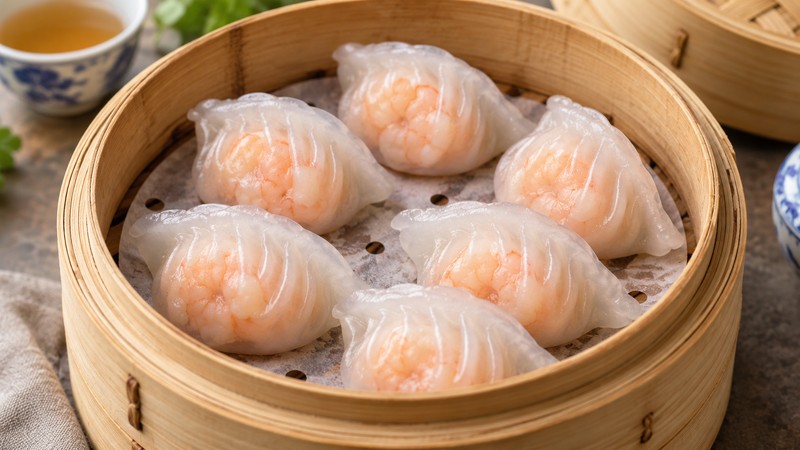
Yue cuisine costs between $12-$35 per serving in Cantonese restaurants, but you can make it at home for under $8. A classic order of har gow (shrimp dumplings) at a dim sum spot in Manhattan runs $18 for six pieces, while a home batch of 12 dumplings uses $5 for fresh deveined shrimp, $2 for wheat and tapioca starch, and 10 minutes of active prep plus 8 minutes of steaming—coming in at just $7.20 total.
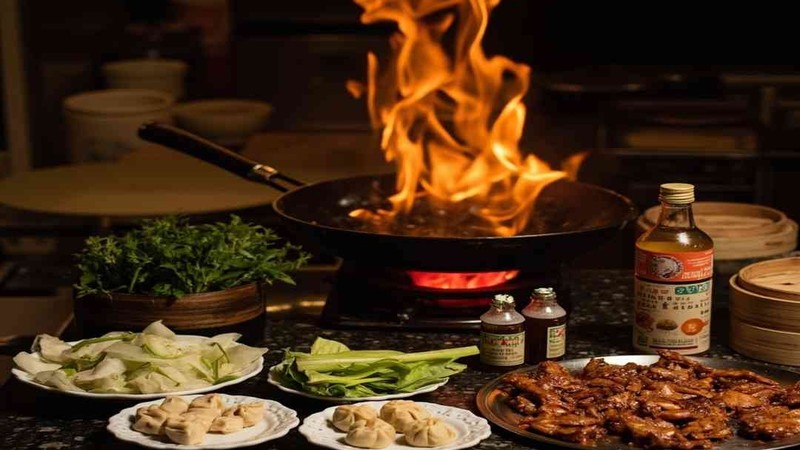
Yue cuisine, the culinary tradition rooted in Guangdong Province, Hong Kong, and Macau, is often called the heart of Chinese cuisine, prized for its commitment to fresh ingredients, balanced flavors, and techniques that preserve the natural taste of food rather than masking it. Unlike the heavy, spice-forward dishes of northern China, Yue cooking emphasizes subtlety, making it one of the most recognizable and beloved global Chinese food traditions.
What Is Yue cuisine?
Yue cuisine takes its name from “Yue,” the ancient term for Guangdong, a coastal province in southern China with a history of human settlement dating back over 5,000 years. It is one of the Eight Great Traditions of Chinese cuisine, a classification reserved for culinary styles with distinct regional identities and historical significance.
Its origins trace to the Qin Dynasty (221–206 BCE), when Han Chinese migrants from northern China settled in Guangdong, blending their cooking techniques with local ingredients and practices from the indigenous Yue people. Over time, this fusion evolved into a distinct culinary tradition shaped by the region’s geography: access to the South China Sea provided abundant fresh seafood, while the subtropical climate yielded year-round produce like leafy greens, tropical fruits, and ginger.
Culturally, Yue cuisine is inseparable from the Cantonese practice of yum cha, or “drink tea,” a social ritual that dates to the Tang Dynasty (618–907 CE). Yum cha originated as a stopover for travelers at roadside teahouses, where they sipped tea and ate small, portable dishes.
Today, it remains a cornerstone of Cantonese social life, with families and friends gathering weekly to share dim sum (small plates) and conversation. This tradition has also spread globally, making dim sum the most visible face of Yue cuisine outside of China.
The core philosophy of Yue cuisine—“xian wei,” or “true taste of ingredients”—guides every dish, prioritizing freshness, balance, and minimal seasoning to highlight the natural flavors of seafood, poultry, and vegetables.

Authentic Yue Cuisine Recipe: Har Gow (Shrimp Dumplings)
Har gow is arguably the most iconic dim sum dish, and mastering its delicate wrapper and tender filling is a mark of authentic Yue cooking. Yue Cuisine The recipe below uses traditional techniques to achieve the signature translucent skin and juicy shrimp filling.
Ingredients
- Wrapper: 100g wheat starch, 25g tapioca starch, 120ml boiling water, 1 tsp sesame oil, ½ tsp salt, 1 tsp vegetable oil
- Filling: 150g fresh large shrimp (deveined, patted dry), 2 tbsp finely chopped bamboo shoots, 1 tsp ginger juice, ½ tsp salt, ¼ tsp white pepper, 1 tsp sesame oil, 1 tsp cornstarch
Step-by-Step Instructions
- Combine wheat starch and tapioca starch in a heatproof bowl. Yue Cuisine Add boiling water all at once, stirring rapidly with chopsticks to form a shaggy dough—this gelatinizes the starches, critical for the wrapper’s translucency.
- Let the dough cool for 5 minutes, then knead for 5 minutes until smooth and elastic. Yue Cuisine Wrap tightly in plastic wrap and rest for 30 minutes at room temperature (resting relaxes the dough, making it easy to roll thin without tearing).
- For the filling: Chop 100g of shrimp finely, then mince the remaining 50g into a smooth paste. Mix both with bamboo shoots, ginger juice, salt, white pepper, sesame oil, and cornstarch.
- Yue Cuisine Stir in one direction for 2 minutes until the mixture is sticky—this ensures the filling holds together during steaming.
- Divide the rested dough into 12 equal 15g balls. Yue Cuisine Flatten each ball with a rolling pin into a 3-inch circle, keeping the center thicker than the edges (this prevents the dumpling from breaking when pleated).
- Place 1 tsp of filling in the center of each wrapper. Yue Cuisine Do not overfill, as this will cause the dumpling to burst during cooking.
- Pleat the wrapper: Hold the dumpling in one hand, then use your other thumb and index finger to make small, even folds around the edge of the wrapper, pulling gently to stretch the dough. Yue Cuisine Aim for 12–15 pleats—this is a hallmark of authentic har gow, indicating skill and precision.
- Seal the top tightly, shaping the dumpling into a crescent. Yue Cuisine Pinch any excess dough to prevent leaks.
- Line a bamboo steamer with parchment paper, poking small holes to allow steam circulation, and brush lightly with oil. Yue Cuisine Arrange the dumplings in the steamer, leaving ½ inch of space between each to prevent sticking.
- Steam over high heat for exactly 8 minutes. Yue Cuisine Oversteaming will make the wrapper tough and opaque; understeaming leaves the filling raw.
- Serve immediately with a side of light soy sauce or chili oil—authentic Cantonese har gow is meant to be eaten hot, right after steaming.
Yue cuisine Variations
Yue cuisine has evolved into distinct variations based on regional location, cultural influence, and setting (home vs. restaurant).
The most prominent split is between Hong Kong-style and mainland Guangzhou-style Yue cuisine. Hong Kong-style Yue cuisine was shaped by British colonial rule in the 19th and 20th centuries, which introduced Western ingredients and dining norms.
This variation leans into luxury and innovation: dim sum menus feature premium fillings like lobster, truffle, and foie gras, while soups are reduced for hours to create ultra-rich broths, and stir-fries are cooked over intense high heat to retain crispness. In contrast, Guangzhou-style (or “home-style” Yue) is more grounded, using local, affordable ingredients like pork bones, preserved eggs, and bok choy, with simpler preparations that prioritize comfort over flair.
Another key variation is between home-cooked and restaurant Yue cuisine. Restaurant versions often use high-end, hard-to-source ingredients like abalone, sea cucumber, and fresh Dungeness crab, while home cooking relies on accessible staples like chicken, pork, and seasonal vegetables.
Westernized takeout Yue cuisine, popular in North America and Europe, is a further variation: it uses more soy sauce, sugar, and even MSG to appeal to local palates, often straying from the authentic Yue principle of subtlety. For example, takeout sweet and sour pork is far sweeter than the traditional Cantonese version, which balances sweet, sour, and savory flavors without overwhelming the pork.
Serving Yue cuisine the Cantonese Way
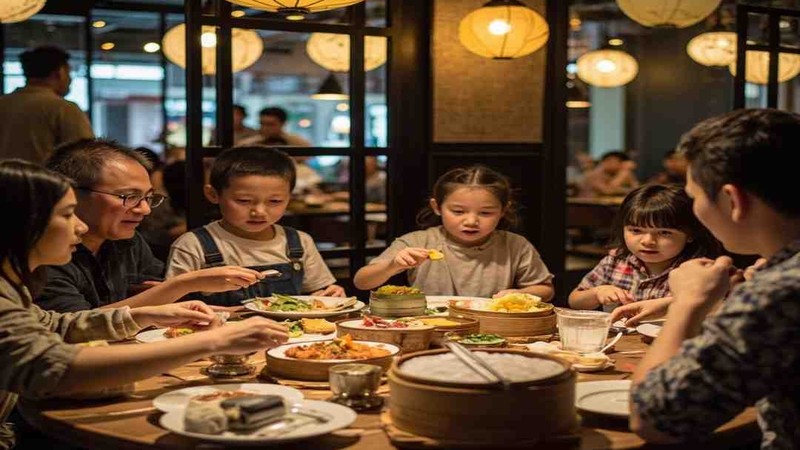
Traditional Cantonese serving style for Yue cuisine is family-centric, designed to encourage sharing and conversation rather than individual portions. All dishes are brought to the table at once, rather than served in courses, with a starchy staple (usually steamed rice) as the base.
A typical spread includes several small dishes (dim sum, stir-fries) and one or two larger dishes (steamed whole fish, braised pork). Presentation is understated but intentional: dishes are arranged to highlight bright, natural colors, with minimal garnish—often just a sprig of cilantro or a slice of ginger to complement the main ingredient, rather than distract from it.
The classic pairing for Yue cuisine is light tea, such as oolong or pu-erh, which cuts through the richness of fatty dishes like char siu (roast pork) and cleanses the palate between bites. Common mistakes when serving Yue cuisine include over-seasoning (authentic dishes use salt, soy sauce, and other seasonings sparingly to let ingredients shine), serving dumplings cold (they must be eaten immediately after steaming to retain their delicate texture), and overcooking seafood, which turns tender flesh rubbery.
For yum cha gatherings, small plates are used to avoid cross-contamination, and diners typically order 2–3 dishes per person to ensure variety without waste.

FAQs
- Is authentic Yue cuisine hard to make at home?
Authentic Yue cooking requires precision, especially for technique-heavy dishes like har gow, where the wrapper’s translucency and pleating take practice. However, simpler dishes like stir-fried gai lan (Chinese broccoli) with garlic, steamed whole fish, or congee with preserved egg are beginner-friendly, focusing on fresh ingredients and quick cooking times rather than complex steps.
Yue Cuisine Many home cooks master these basics within a few tries.
- Can I substitute ingredients if I can’t find authentic Yue ingredients?
Yes, most ingredients have accessible alternatives. Tapioca starch can be replaced with cornstarch (though the har gow wrapper will be slightly less translucent), fresh shrimp with frozen deveined shrimp (just pat dry to remove excess moisture), and bamboo shoots with water chestnuts for a similar crunch.
Yue Cuisine Fermented black beans, a common seasoning, can be found at most Asian grocery stores or replaced with a dash of low-sodium soy sauce for a milder flavor.
- How do I store leftover authentic Yue cuisine?
Steamed dishes like har gow or siu mai should be refrigerated in an airtight container for up to 2 days. To reheat, use a steamer for 3–5 minutes—microwaving will make the wrapper tough and rubbery.
Yue Cuisine Raw har gow dumplings can be frozen on a baking sheet first, then transferred to a freezer bag for up to 1 month; steam directly from frozen for 10 minutes without thawing.
- What makes Yue cuisine different from other Chinese regional cuisines?
Unlike Sichuan cuisine’s bold, spicy flavors or Shandong’s hearty, savory dishes, Yue cuisine’s defining trait is its focus on “xian wei” (true taste of ingredients). It uses minimal seasonings, prioritizes freshness, and relies on techniques like steaming, stir-frying, and braising to preserve the natural flavor of seafood, poultry, and vegetables.
Dim sum, a signature Yue creation, is also unique to Cantonese culinary culture and not a core part of other regional cuisines.
- Is MSG used in traditional authentic Yue cuisine?
No, traditional authentic Yue cuisine rarely uses MSG. Instead, umami comes from natural ingredients like slow-simmered chicken or pork bones for broths, dried shrimp, mushrooms, and fermented tofu.
Modern home cooks and some restaurants may use small amounts of MSG for consistency, but it is not a core part of authentic Yue cooking, which relies on natural depth of flavor.
- What’s a classic Yue dish I should try first if I’m new to the cuisine?
Start with simple, iconic dishes that showcase Yue’s core principles: stir-fried gai lan with garlic, steamed whole sea bass, or congee with preserved egg and pork. Yue Cuisine These dishes use just a few fresh ingredients, highlight balance and subtlety, and are widely available at Cantonese restaurants and easy to make at home with minimal equipment.

Hong Kong Food Cantonese Food Cantonese Cooking Wikipedia
Frequently Asked Questions
What is the significance of Yue cuisine in Cantonese cuisine?
Yue cuisine, also known as Cantonese cuisine, is one of the Eight Major Cuisines of China and originates from Guangdong Province. It is renowned worldwide for its fresh ingredients, delicate flavors, and refined cooking techniques, representing the pinnacle of Chinese culinary artistry.
How is Yue cuisine traditionally prepared?
Yue cuisine is traditionally prepared using cooking methods that preserve the natural flavors of ingredients, such as steaming, stir-frying, braising, and roasting. The focus is on quick cooking over high heat to maintain the freshness and texture of the ingredients, with light seasoning to enhance rather than mask the original taste.
What ingredients are essential for Yue cuisine?
Essential ingredients for Yue cuisine include fresh seafood (fish, shrimp, shellfish), premium soy sauce, ginger, scallions, garlic, oyster sauce, five-spice powder, and a variety of fresh vegetables. The cuisine emphasizes using seasonal and locally sourced ingredients to achieve the authentic flavor profile.
What are the health benefits of Yue cuisine?
Yue cuisine offers several health benefits due to its emphasis on fresh ingredients and cooking methods that preserve nutritional value. Steaming and stir-frying use less oil compared to other Chinese cuisines, helping to reduce fat intake. The abundant use of vegetables and seafood provides essential nutrients, vitamins, and minerals while maintaining a balanced and healthy diet.
What are common mistakes when making Yue cuisine?
Common mistakes when making Yue cuisine include overcooking ingredients, which destroys their natural texture and flavor, using excessive sauce or heavy seasonings that mask the delicate taste of the ingredients, not using fresh enough ingredients (as freshness is paramount), and overcrowding the wok during stir-frying, which leads to steaming instead of proper caramelization.