Cantonese food: A Journey Through History, Flavor, and Tradition

Cantonese food is renowned worldwide for its delicate flavors, fresh ingredients, and masterful cooking techniques that have been refined over centuries. Originating from the Guangdong province of southern China and the vibrant city of Guangzhou—historically known as Canton—this cuisine represents one of China’s eight major culinary traditions and has become a gateway for many Western diners exploring Chinese gastronomy.
The philosophy behind Cantonese cuisine emphasizes the preservation of natural flavors, with minimal use of heavy sauces and spices that might mask the taste of high-quality ingredients. This approach results in dishes that are subtly seasoned, Aromatic, and textures-focused, making Cantonese food both accessible and deeply satisfying to palates across the globe.
What sets Cantonese food apart from other Chinese regional cuisines is its unwavering commitment to freshness and the skillful use of cooking methods that highlight rather than overwhelm the ingredients. Steaming, stir-frying, braising, and deep-frying are all employed with precision, each technique chosen to bring out the best in specific ingredients.
The cuisine also reflects the geographical advantages of the Pearl River Delta, where access to fresh seafood, vegetables, and tropical fruits has shaped the diet for generations. Whether you’re savoring dim sum in a bustling Hong Kong tea house or preparing a home-cooked meal, understanding the history, techniques, and cultural significance of Cantonese food enriches every bite.
What Is Cantonese food?
Cantonese food encompasses the culinary traditions of Guangdong province and its capital, Guangzhou, along with the broader cultural influence of Hong Kong, where many classic dishes were refined and exported to the world. The term “Cantonese” itself derives from “Canton,” the historic Western name for Guangzhou, a port city that served as China’s primary gateway to the outside world for centuries.
This long history of trade and exchange exposed Cantonese cooks to diverse ingredients and cooking styles, which they adapted and integrated into their own tradition while maintaining distinctly local characteristics.
At its core, Cantonese food is defined by several key principles that guide every dish. First and foremost is the concept of “fresh” (xin xian), meaning ingredients should be at their peak freshness, often purchased the same day they are cooked.
Second is the preference for light seasonings that enhance rather than dominate—the use of ginger, scallions, fermented soybean paste, and oyster sauce provides depth without masking the natural taste of proteins and vegetables. Third is the importance of texture, with Cantonese cooks paying close attention to whether ingredients should be crisp, silky, tender, or al dente.
Finally, the presentation matters greatly; dishes should be visually appealing with careful attention to color, arrangement, and garnishes.
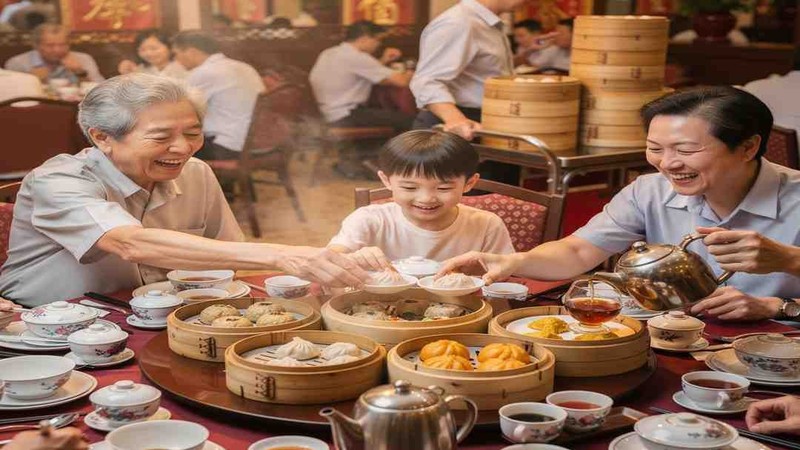
The cultural context of Cantonese food extends far beyond mere sustenance. Meals are social events where family and friends gather around a rotating Lazy Susan table, sharing numerous small dishes family-style.
The tradition of yum cha—”drinking tea”—accompanies dim sum, the iconic small bite-sized portions of food served in bamboo steamers, which originated in Cantonese tea houses during the Qing dynasty. This communal dining style reflects broader Chinese values of togetherness and hospitality, where the variety of dishes on the table represents abundance and good fortune.
Understanding these cultural dimensions transforms eating Cantonese food from a culinary experience into a connection with centuries of tradition and the daily lives of millions of people.
Authentic Cantonese food Recipe
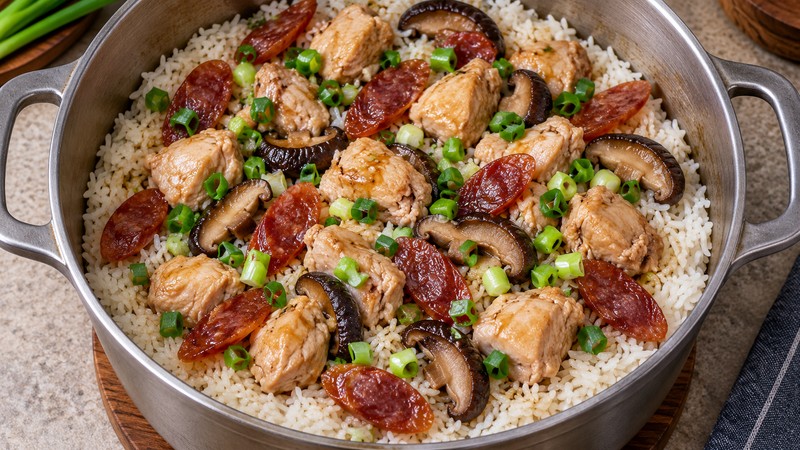
One of the most beloved Cantonese dishes that showcases the cuisine’s techniques and flavors is Clay Pot Rice with Chicken and Chinese Sausage (Siu Mai Gai Fan), a comforting one-pot meal that demonstrates the art of steaming and the balance of savory ingredients.
Ingredients (serves 4)
- 2 cups long-grain jasmine rice, washed and drained
- 1¼ cups chicken broth
- 2 tablespoons oyster sauce
- 1 tablespoon light soy sauce
- 1 teaspoon sesame oil
- ½ teaspoon white pepper
- 300g chicken thigh, deboned and cut into bite-sized pieces
- 2 Chinese sausages (lap cheong), sliced diagonally
- 4 dried shiitake mushrooms, soaked in warm water for 30 minutes, stemmed and halved
- 3 cloves garlic, minced
- 2 inches ginger, julienned
- 4 green onions, chopped (separate white and green parts)
- 2 tablespoons vegetable oil
- 1 tablespoon shaoxing wine
- Optional: crispy fried shallots for garnish
Instructions
- Prepare the rice base: In a clay pot or heavy-bottomed pot with a tight-fitting lid, combine the washed rice with chicken broth, oyster sauce, light soy sauce, sesame oil, and white pepper. Stir well to combine and let the rice soak for 20-30 minutes.
- Cantonese Food This step ensures even cooking and allows the flavors to meld.
- Marinate the chicken: While the rice soaks, combine the chicken pieces with 1 tablespoon of shaoxing wine, half the minced garlic, a pinch of white pepper, and 1 teaspoon of vegetable oil. Massage the marinade into the chicken and set aside for 15 minutes.
- Cantonese Food The oil creates a protective layer that keeps the chicken moist during cooking.
- Soften the mushrooms: After soaking the dried shiitake mushrooms, squeeze out excess water and cut them in half. Cantonese Food The soaking liquid, known as “mushroom water,” can be reserved and added to the rice for enhanced umami flavor.
- Layer ingredients in the pot: Place the pot with soaked rice over medium-high heat and bring to a boil. Once boiling, reduce to low heat and arrange the marinated chicken pieces, Chinese sausage slices, and softened mushrooms on top of the rice in an even layer.
- Cantonese Food Add the julienned ginger and the white parts of the green onions.
- Steam covered: Cover the pot tightly with the lid. Cook on low heat for 15-18 minutes without lifting the lid—this is crucial, as lifting the lid releases steam and disrupts the cooking process.
- Cantonese Food The low heat allows the bottom to develop a slightly crispy layer known as “锅巴” (guo ba), a prized textural element in Cantonese cooking.
- Add finishing touches: After 18 minutes, turn off the heat and let the pot rest, covered, for another 5 minutes. This residual heat finishes cooking any remaining liquid and allows flavors to settle.
- Cantonese Food The characteristic “sizzle” sound when opening the lid indicates the crispy bottom has formed properly.
- Create the sauce aromatic: While the rice rests, heat 1 tablespoon of vegetable oil in a small pan over medium-high heat. Add the remaining minced garlic and cook until fragrant and lightly golden, about 30 seconds.
- Cantonese Food Drizzle this aromatic oil over the completed dish.
- Serve and garnish: Carefully remove the lid—beware of hot steam—and garnish with the green parts of the chopped green onions and crispy fried shallots if using. Cantonese Food Serve directly from the clay pot at the table, allowing everyone to scoop their portion while the rice is still sizzling.
The result should feature tender, juicy chicken pieces, sweet and savory Chinese sausage, earthy mushrooms, and a bed of perfectly cooked rice with a deliciously crispy bottom layer. Cantonese Food This dish exemplifies Cantonese technique: the careful layering of ingredients, the precise control of heat, and the balance of textures that defines the cuisine.
Cantonese food Variations
Cantonese food varies significantly between Hong Kong and mainland Guangdong, with each region developing distinct characteristics despite sharing a common foundation. Hong Kong-style Cantonese cuisine, shaped by British colonial influence and the city’s status as a global culinary hub, tends to be more elaborate and presentation-focused.
Dishes often feature richer sauces, more elaborate presentations, and fusion elements that incorporate Western ingredients like butter, cheese, and wine. Hong Kong is also famous for its dai pai dong (open-air food stalls) and high-end restaurants that have elevated dim sum to an art form, with intricate fillings and decorative pleats on dumplings.
In mainland Guangdong, particularly in Guangzhou and surrounding areas, the cuisine maintains a closer connection to traditional roots with emphasis on extreme freshness and lighter preparations. Home-style Cantonese cooking differs dramatically from restaurant versions—dishes are often simpler, with fewer ingredients and less refined presentation, but bursting with authentic flavors passed down through generations.
Cantonese Food Rural areas still practice “wet markets” where ingredients are purchased alive and prepared immediately, embodying the Cantonese principle that freshness is paramount.
Common variations that home cooks make include substituting proteins based on availability—duck, pork belly, or shrimp instead of chicken—and adjusting seasoning to personal preference. Many families have their own “secret” sauce recipes, particularly for the classic combination of soy sauce, sugar, and five-spice that glazing many dishes.
Cantonese Food The key difference between authentic and simplified versions often lies in the number of ingredients and the time invested in preparation; traditional recipes may call for multiple marinade stages and several types of umami-rich seasonings that can be consolidated for home cooking.
Serving Cantonese food the Cantonese Way
Traditional Cantonese dining follows specific protocols that enhance the meal experience and show respect for both food and guests. Dishes are placed in the center of the table for sharing, with the most honored guest or eldest person typically invited to take the first bite or serve themselves first.
Rice is always served in individual bowls rather than shared, and soup is considered a separate course rather than a beverage throughout the meal. Cantonese Food Complement the food with hot tea—preferably jasmine or oolong—and avoid filling tea cups completely, as this can be interpreted as a signal that you want the meal to end quickly.
Common mistakes when serving Cantonese food include using too much soy sauce at the table (flavoring should already be balanced in the kitchen), eating everything with a fork instead of chopsticks (which shows appreciation for the food’s texture), and rushing through the meal. The Cantonese view dining as a leisurely social occasion that should be savored.
When presenting dishes, arrange them colorfully with attention to garnishes—cilantro, red chilies, and fried garlic not only add flavor but create visual appeal. Finally, leave a small amount of food on each plate to indicate you have been well-fed and the host’s offerings were abundant.

FAQs
Is Cantonese food difficult to cook at home?
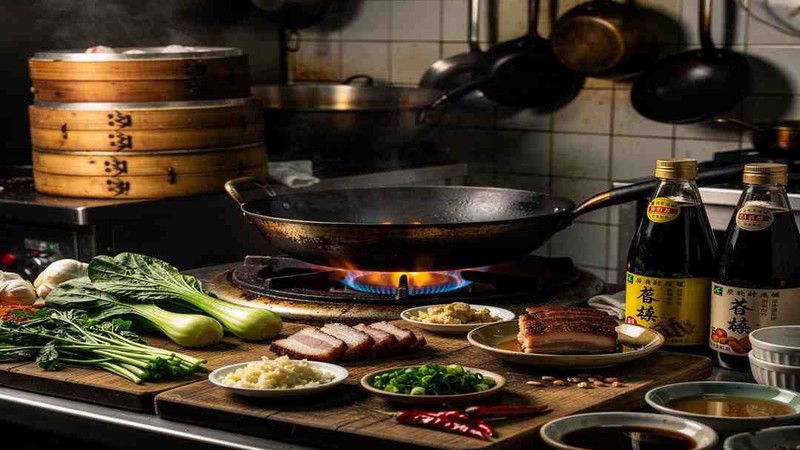
While some complex dishes like whole roasted suckling pig require professional skills, many Cantonese recipes are quite accessible to home cooks. The key is understanding the basic techniques—proper wok heating, controlling oil temperature, and not overcrowding the pan.
Cantonese Food Starting with simpler dishes like steamed fish or clay pot rice builds confidence before attempting more challenging recipes.
What are the best ingredient substitutions for authentic Cantonese flavor?
If you cannot find specific Cantonese ingredients like Chinese sausage or dried scallops, you can substitute with similar products: bacon for Chinese sausage, dried shrimp for scallops, and regular mushrooms for shiitake. However, the flavor profile will differ.
Cantonese Food For the essential oyster sauce, look for premium brands with “oyster extract” as the first ingredient rather than those relying on artificial flavorings.
How should I store leftover Cantonese food?
Cantonese dishes are best enjoyed fresh, but leftovers can be stored in airtight containers in the refrigerator for 2-3 days. Reheat gently in a wok or pan with a splash of water to prevent drying.
Cantonese Food Avoid using the microwave when possible, as it can make textures rubbery and compromise the careful balance of flavors.
What’s the difference between authentic Cantonese and “American Chinese” food?
American Chinese cuisine evolved to suit Western palates and ingredient availability, often featuring sweeter, thicker sauces and more fried items. Authentic Cantonese food uses lighter seasonings, emphasizes fresh ingredients, and employs cooking methods beyond just deep-frying.
Dishes like orange chicken and General Tso’s chicken are American inventions, while steamed fish with ginger and scallions represents traditional Cantonese preparation.
Can vegetarians enjoy authentic Cantonese food?
Absolutely—Cantonese cuisine includes numerous vegetable-focused dishes and uses tofu extensively. Steamed tofu with seasonal vegetables, egg plant with garlic sauce, and various mushroom dishes are staples.
Cantonese Food However, be aware that many traditional recipes use chicken stock or pork fat for flavoring, so specify “no meat” or “vegetarian” when ordering or cooking.
What makes Cantonese dim sum different from other dumplings?
Cantonese dim sum emphasizes delicate, thin wrappers and refined fillings, often featuring shrimp, pork, and crab meat. The steaming technique preserves the soft, slightly chewy texture of the wrapper while keeping the filling moist.
Cantonese Food Unlike dumplings from other Chinese regions that might be boiled or pan-fried, Cantonese dim sum is almost exclusively steamed, reflecting the cuisine’s preference for this gentle cooking method.
—
Cantonese food represents a remarkable culinary heritage that balances tradition with innovation, offering flavors that are simultaneously subtle and deeply satisfying. Whether you’re dining in a Hong Kong tea house or recreating family recipes in your own kitchen, understanding the history, techniques, and cultural significance enriches every aspect of the experience.
The cuisine’s emphasis on freshness, texture, and communal sharing provides not just a meal but a connection to centuries of culinary wisdom and the daily lives of millions who continue to cherish these traditions today.

Cantonese Cooking Cantonese Brunch Cantonese Beef Wikipedia
Frequently Asked Questions
What is the significance of Cantonese food in Cantonese cuisine?
Cantonese food is the cornerstone of Cantonese cuisine, representing one of China’s eight major culinary traditions. It emphasizes freshness, natural flavors, and delicate cooking techniques. Known for its light and subtle tastes, Cantonese food prioritizes the quality of ingredients over heavy seasoning, making it renowned worldwide for its dim sum, fresh seafood, and stir-fried dishes.
How is Cantonese food traditionally prepared?
Cantonese food is traditionally prepared using techniques that preserve the natural flavors and textures of ingredients. Common methods include steaming, stir-frying, braising, and roasting. Wok hei (breath of the wok) is essential for stir-fried dishes, and careful control of heat ensures ingredients remain tender and juicy. Steaming is particularly popular for fish and dim sum, while roasting yields iconic dishes like char siu and siu mei.
What ingredients are essential for Cantonese food?
Essential ingredients for Cantonese food include fresh seafood (fish, shrimp, crab), pork, chicken, and duck. Key vegetables include bok choy, Chinese broccoli, snow peas, and mushrooms. Aromatics like ginger, garlic, scallions, and shallots are fundamental. Seasonings typically include soy sauce, oyster sauce, sesame oil, rice wine, and rock sugar. Rice and rice noodles serve as staples.
What are the health benefits of Cantonese food?
Cantonese food is often considered healthy due to its emphasis on fresh ingredients and cooking methods that preserve nutrients. Steaming and stir-frying use minimal oil, reducing fat content. The cuisine features abundant vegetables and lean proteins, providing vitamins, minerals, and fiber. The light seasoning avoids excessive salt and sugar, supporting heart health. Fresh seafood offers omega-3 fatty acids beneficial for cardiovascular and brain health.
What are common mistakes when making Cantonese food?
Common mistakes when making Cantonese food include overcooking ingredients, which destroys their natural textures and flavors. Using too much sauce or seasoning masks the delicate tastes. Overcrowding the wok during stir-frying leads to steaming instead of searing. Not preparing ingredients beforehand (mis en place) results in uneven cooking. Using low-quality or stale ingredients is particularly problematic since Cantonese cuisine relies on ingredient freshness. Finally, neglecting the importance of wok hei and proper heat control can yield bland, lifeless dishes.