What Makes Cantonese Beef Chow Mein Unique
This guide covers soft stir-fried beef chow mein using wheat noodles, not wide rice-noodle chow fun. Cantonese pan-fried crispy noodles with a separate gravy are another preparation, not the only meaning of chow mein.
For home cooks, beef chow mein cantonese style works best when the noodles stay springy and the sauce coats rather than floods the pan.
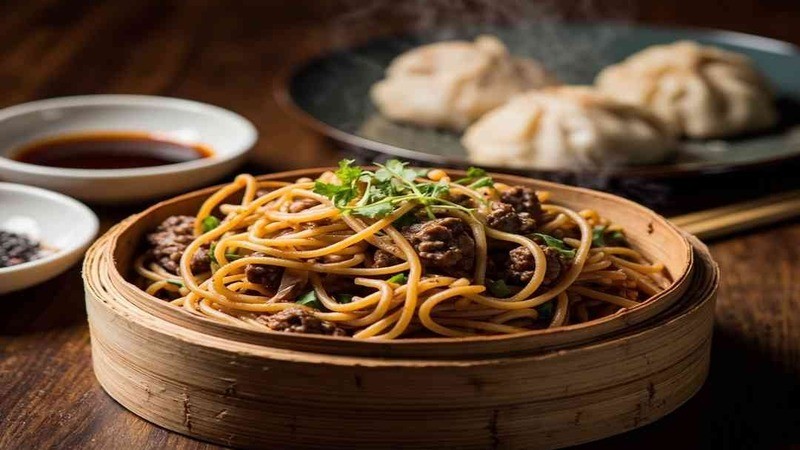
The sauce should lightly coat the noodles rather than flood them. This version uses a small cornstarch-water mixture for body; some dry stir-fried versions omit it, while crispy-noodle dishes may use a separate gravy.
Essential Ingredients for Authenticity
The existing amounts below are a suggested batch for two to three servings, not an independently tested recipe. Choose noodles labeled suitable for frying and follow their cooking directions.
- Noodles: Fresh alkaline wheat noodles (1 pound). Dried alkaline noodles work in a pinch, but fresh ones have the best texture—look for them in the refrigerated section of Asian grocery stores.
- Beef: 8 ounces of sirloin or rump steak, sliced paper-thin against the grain. Avoid overly fatty cuts, as Cantonese style is designed to be light, not greasy.
- Sauce: 2 tablespoons light soy sauce (for saltiness), 1 tablespoon dark soy sauce (for a subtle, deep color—do not overuse, as it will make the dish too dark), 1 tablespoon oyster sauce (umami core), 1 teaspoon white sugar (to balance salt), and 1 teaspoon cornstarch (to thicken the sauce slightly without making it gloopy).
- Veggies: 1 cup shredded napa cabbage, ½ cup bean sprouts, and ¼ of a small onion, sliced thin. Ginger (1 thin slice) is optional but adds a subtle aromatic note.
Beginners should stick to sirloin for the beef—it’s tender enough to slice thin and holds up well to quick stir-frying without becoming stringy. For the sauce, mix all ingredients in a small bowl before starting to cook; this is part of the mise en place that makes stir-fry successful.
Step-by-Step Cooking Technique
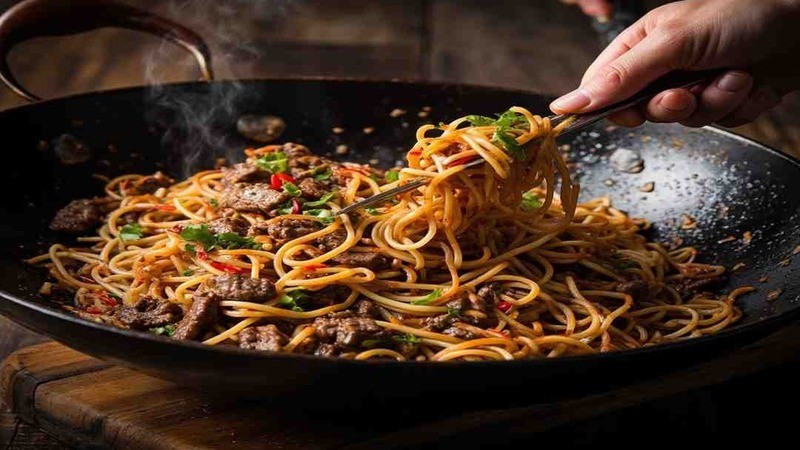
Cantonese stir-fry is all about speed and organization, so prep every ingredient first (mise en place) before turning on the heat. Here’s how to make beef chow mein cantonese style:
- Marinate the beef: Place the sliced beef in a small bowl, add 1 teaspoon light soy sauce, 1 teaspoon cornstarch, and 1 teaspoon of neutral oil (like canola or vegetable). Toss until evenly coated, then let it sit for about 15 minutes in the refrigerator.
- The cornstarch creates a protective layer that keeps the beef tender during cooking.
- Prep noodles: Follow the package for fresh or dried noodles, stopping before they become overly soft. Drain well. Some fresh ready-to-fry noodles need little or no boiling; do not apply one universal two-minute boil.
- Make the sauce: Whisk together the light soy, dark soy, oyster sauce, sugar, cornstarch, and 3 tablespoons of water in a small bowl. Set aside.
- Heat the pan: Use a large wok or skillet at cookware-safe heat and add 1 tbsp oil. Do not overheat an empty nonstick pan until smoking.
- Sear the evenly sliced beef in a single layer, then set aside briefly to finish during the final toss. One minute is not a guaranteed cooking time.
- Cook the noodles: Add a bit more oil to the pan, then add the noodles. Use tongs to toss them over high heat for 2 minutes, until they start to crisp slightly.
- Pour the prepared sauce over the noodles and toss until coated and the small starch mixture is cooked. Transfer the sauced noodles to a separate plate briefly so the vegetables can cook in the cleared pan.
- Combine: Add a little oil to the cleared pan if needed. Cook the cabbage and onion until tender-crisp, then return the beef and sauced noodles and add sprouts. Fold together until the beef and sprouts are thoroughly cooked and everything is hot. Add sesame oil if desired and serve promptly.
- Turn off the heat, add a dash of sesame oil if desired, and serve immediately.
Common Mistakes to Avoid
Even with the right ingredients, it’s easy to mess up beef chow mein cantonese style if you skip these key steps:
- Beef timing: Thin slices cook quickly, but thickness and pan load matter. Finish them fully rather than rely on a one-minute rule.
- Wrong texture: Thin wheat noodles sold for chow mein are easiest. Other noodles give different textures but are not automatically unusable; wide rice noodles belong to chow fun.
- Pan preparation: Use cookware-safe heat and small batches. A cold overloaded pan makes browning harder, but do not overheat nonstick cookware.
- Adding too much sauce: The sauce should coat the noodles lightly, not pool at the bottom of the pan. If you add extra sauce, it will make the dish greasy and heavy.
- Noodle preparation: Rinse only if the noodle package directs it. Whether rinsed or not, drain well before frying; excess water and overly softened noodles encourage clumping.
Home-Cooking Tips for Perfect Results
For home cooks without a professional wok, these tips will help you make beef chow mein cantonese style that’s just as good as restaurant versions:
- Use a large skillet: A 12-inch cast-iron skillet works best if you don’t have a wok. It gives ingredients room to move, so they stir-fry evenly instead of steaming.
- Marinate properly: Keep the beef cold during preparation. Cornstarch helps coating; cut and doneness control also affect tenderness.
- Cook sprouts thoroughly: Add late enough to retain some texture but heat them fully, especially for higher-risk diners.
- Adjust seasoning to taste: If you prefer more salt, add a tiny bit more light soy sauce. If you like a sweeter flavor, add an extra pinch of sugar. Authentic Cantonese dishes are flexible, so don’t be afraid to tweak to your preference.
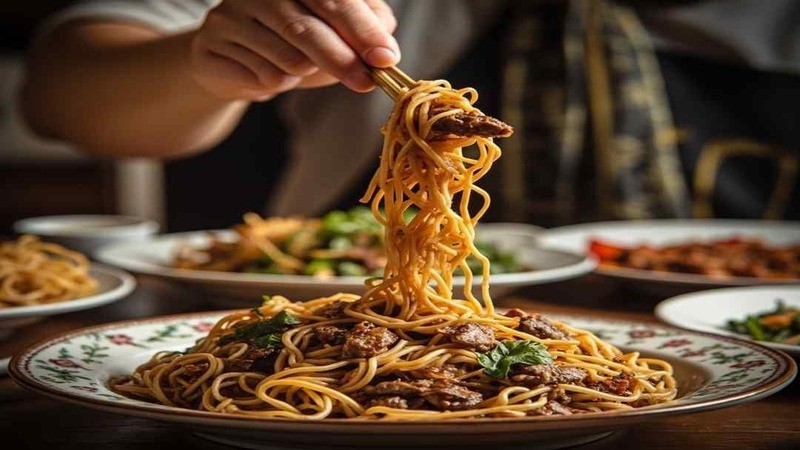
- Serve immediately: Beef chow mein cantonese style is best right after cooking. Noodles will get soggy if left sitting, so plate and serve as soon as you finish stir-frying.
This guide covers all the practical, trustworthy details you need to make authentic beef chow mein cantonese style at home. By focusing on the right ingredients, quick stir-fry technique, and avoiding common mistakes, you’ll get a dish that’s true to Cantonese cuisine—light, flavorful, and full of texture.
Whether you’re making it for a weeknight dinner or a small gathering, this recipe is sure to become a go-to.
Frequently Asked Questions
What is the significance of beef chow mein cantonese style in Cantonese cuisine?
Beef chow mein is a iconic stir-fried noodle dish in Cantonese cuisine, representing the culinary tradition of Hong Kong and southern China. It is a staple in dim sum restaurants and casual dining establishments, showcasing the Cantonese technique of wok hei (breath of the wok) and the balance of textures and flavors that define this regional cuisine.
Does chow mein use rice noodles?
This recipe uses thin wheat noodles. Wide flat rice noodles make chow fun. Crispy Hong Kong noodles with gravy and soft stir-fried noodles are distinct variants.
What goes in this home version?
Thin wheat noodles, sliced beef, cabbage, sprouts and onion, with light soy, a little dark soy, oyster sauce and sugar. The listed small slurry is for this version, not a universal chow mein requirement.
What are common mistakes when making beef chow mein cantonese style?
Common mistakes include using noodles that are too soft or overcooking them, which results in a mushy texture. Another error is overcrowding the wok, which causes the ingredients to steam rather than stir-fry. Not heating the wok sufficiently, using too much sauce, or overcooking the beef are also frequent errors that can ruin the dish’s texture and flavor balance.
Related Cooking Guides
Compare The Woks of Life’s beef chow mein for wheat-noodle choices and Chef Lau’s crispy Hong Kong noodles for the separate gravy style. See FoodSafety.gov for meat cooking temperatures.
Images are illustrative and may be AI-generated; they do not document a tested recipe or safe beef doneness.