Cantonese-style beef stir-fry depends on thin cross-grain slices, a light starch coating and small batches. This guide keeps the ginger, garlic and oyster-soy sauce approach while explaining why a fixed one-minute cooking rule is unreliable.
This classic Cantonese stir-fry is deceptively simple, but it relies on precise technique rather than complex ingredients to hit that perfect balance of tender meat, savory sauce, and bright, fresh notes. Today, we’ll break down how to make authentic beef cantonese, including key tips for tenderizing meat, balancing flavors, and avoiding the most common home-cooking missteps.
What Is Authentic Beef Cantonese?
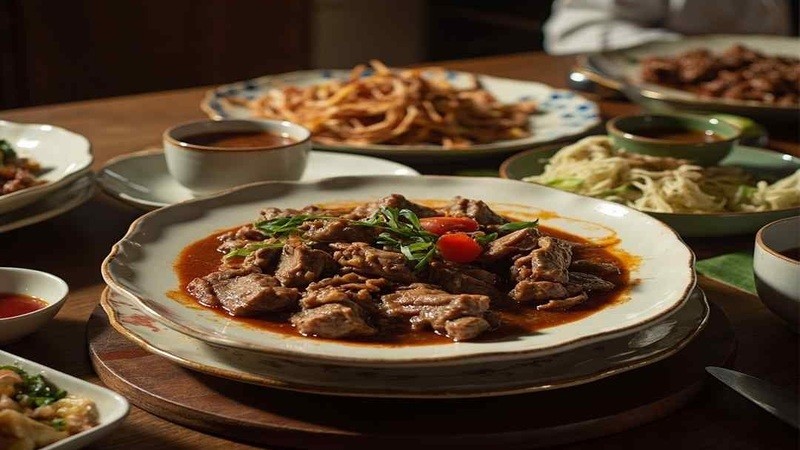
Here, beef Cantonese means an oyster-soy beef stir-fry, not one standardized recipe. The aim is tender slices in a savory sauce rather than a heavy coating.
It’s typically served with steamed rice, making it a quick, satisfying meal for weeknights or special occasions. The core philosophy here is simplicity: fewer ingredients mean each component shines, so there’s no room for overcomplicating the flavor profile.
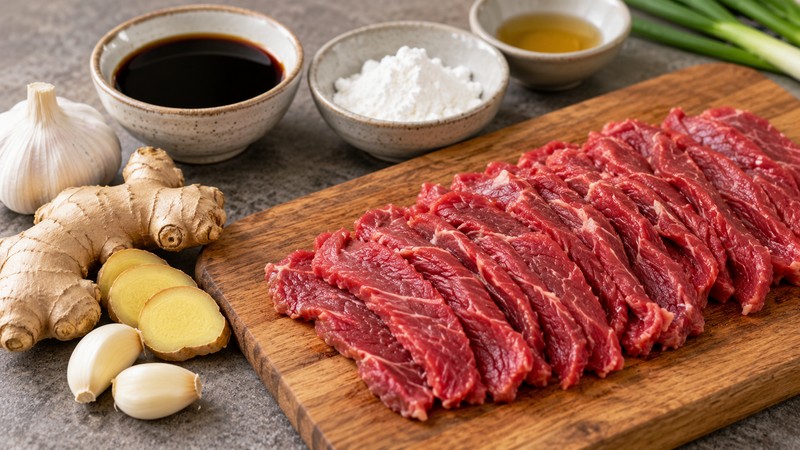
Essential Ingredients for Beef Cantonese
For a sized starting point, adapt the linked Made With Lau formula to 12 oz (about 340 g) beef. Marinade: 1 tbsp each oyster sauce, light soy, cornstarch and cooking wine, 2 tbsp water, 1 tsp sugar and 1/4 tsp white pepper; mix in 1 tbsp cooking oil before frying. This home adaptation omits the source’s baking soda and broccoli; it does not claim the identical result.
Sauce for that batch: 1 tbsp each oyster sauce, water and cooking wine, 1 tsp each light soy, dark soy, sugar and cornstarch, and 1/4 tsp white pepper. Prepare 2 garlic cloves, a small piece of ginger and 1 scallion; use up to 2 tbsp cooking oil for the pan. The amounts are drawn from the published recipe, not personal testing.
The best beef cantonese starts with high-quality, fresh ingredients—no fancy tools or rare items required. For the beef, choose top sirloin or flank steak: these cuts are lean but have just enough marbling to stay tender during quick stir-frying.
Check that pre-sliced beef is cut across the grain. Use the marinade and sauce amounts above, keeping the two mixtures separate until cooking. Cut the ginger into thin strips, mince the garlic and cut the scallion into short pieces.
Step-by-Step Cooking Technique
Firm the unsliced beef briefly in the freezer if needed, then slice thinly across the grain. Do not freeze already-cut slices as a substitute for correct knife direction.
Coat the slices with the marinade and keep refrigerated while preparing the sauce and aromatics. Cornstarch does not suddenly break down after 15 minutes. Heat a suitable wok or skillet until hot; do not deliberately smoke a nonstick pan or overheat oil.
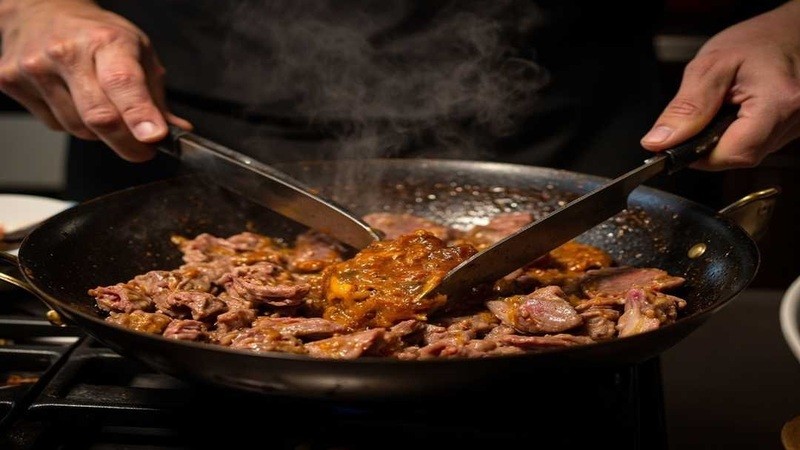
Add oil and spread the beef in a single layer. Sear and turn the slices, working in batches rather than relying on 30 seconds per side as a doneness guarantee.
If you crowd the wok, cook the beef in two batches to avoid steaming instead of searing.
Cook ginger and garlic until fragrant without burning. Add the premixed sauce and bring it to a simmer. A cornstarch slurry can thicken it if needed; stir the slurry again before adding it.
Return the beef and its juices to the simmering sauce and finish cooking through. For beef cut from whole-muscle steak, the official minimum is 145 F (63 C) with a three-minute rest; time alone is not a safety check. Add green onions and serve with rice.
If you want to master more Cantonese stir-fries, our guide to traditional Cantonese stir-fry fundamentals covers the core high-heat techniques that apply to this dish.
Common Mistakes to Avoid
Overcooking can toughen thin beef, but slice thickness, cut, batch size and burner power all change the required time. Do not stop cooking simply because one minute has elapsed.
Use a light starch coating rather than a thick paste. Small batches help the beef brown without crowding the pan.
Cut across the grain to shorten the fibers. Adjust heat to your cookware and ventilate the kitchen; visible smoke is not a prerequisite for a good home stir-fry.
Home-Cooking Tips for Consistent Results
If slicing is difficult, briefly firm the uncut beef in the freezer before cutting. This is optional, not a restaurant-quality guarantee.
If you don’t have time to freeze it, ask your local Asian grocery store to slice the beef for you against the grain. Second, prep all ingredients before turning on the heat: Cantonese stir-fries move fast, so having everything measured and ready means you won’t burn the garlic or overcook the beef.
Third, use a wok if possible—its curved shape concentrates heat at the bottom, making it easier to toss ingredients and maintain high temperatures. If you don’t have a wok, a large cast-iron skillet works well, but you may need to adjust the heat slightly.
Adjust oyster sauce and light soy conservatively because both add salt. Serve promptly for the best texture.
For beginner cooks, start with these steps and don’t be afraid to tweak the sauce to match your flavor preferences; authentic Cantonese cooking is about balance, not strict rules.
Can I prepare the beef ahead?
Prepare components ahead, keep raw beef refrigerated, then stir-fry just before serving. Store raw ingredients separately from cooked food.
Recipe References
Published recipe and technique reference; FoodSafety.gov cooking temperatures.
Related recipes: Beef chow fun; Cantonese recipe choices.
AI-generated illustrations, where added, show recipe concepts rather than photographs of a tested cooking session.