Choosing Cantonese food is easier when you compare dishes by texture and cooking technique rather than look for a single winner. A dim sum meal, a roast-meat rice plate and a shared seafood dinner offer different ways to explore the cuisine.
Quick Answer
For a first Cantonese meal, compare shrimp dumplings, char siu, steamed fish and a vegetable dish. Their wrapper, glaze, tender flesh and fresh texture show different cooking skills; there is no single best dish.
Basic Facts
- Food focus: Representative Cantonese dishes and judging criteria
- Best use: Restaurant choice, home cooking, and Cantonese food learning
- Main check: Freshness, heat control, sauce balance, texture, and serving context
- Common mistake: Calling one dish the best without explaining the standard
Quick reference: Compare freshness, texture, seasoning and the kind of meal you want.
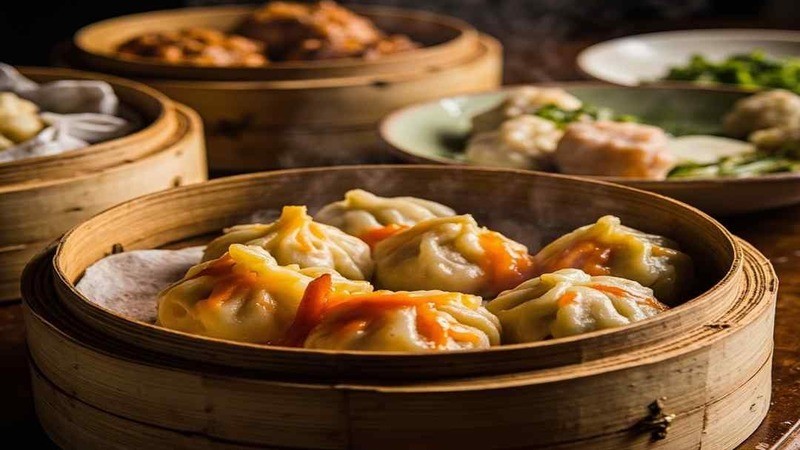
The best Cantonese food isn’t about bold spices or elaborate plating; it’s about respecting the freshness of every ingredient and mastering techniques refined over centuries. In this guide, we’ll break down what makes these dishes stand out, highlight the top picks to seek out, and share practical tips for both dining out and cooking at home.
Core Principles That Define the Best Cantonese Food
Cantonese cooking often lets the main ingredient remain recognizable: delicate steamed fish, savory roast meats, slow-simmered soups and wok-fried noodles offer different textures and seasoning levels. There is no single five-taste formula that defines every dish.
Unlike cuisines that rely on heavy sauces or spices, the best Cantonese food lets the main ingredient shine. For example, steamed fish is a staple because it highlights the fish’s freshness rather than drowning it in a thick sauce.
Start with one steamed dish and one roasted or stir-fried dish to compare techniques. Wok hei describes a characteristic aroma associated with skilled high-heat wok cooking; it is not required for every Cantonese dish or a reason to dismiss food made on a home stove.
Top Dishes to Experience the Best Cantonese Food
When it comes to the best Cantonese food, certain dishes are non-negotiable for anyone looking to understand the cuisine. These are the classics that have stood the test of time, each with specific techniques that set them apart from their non-authentic counterparts.
Har Gow (Shrimp Dumplings)
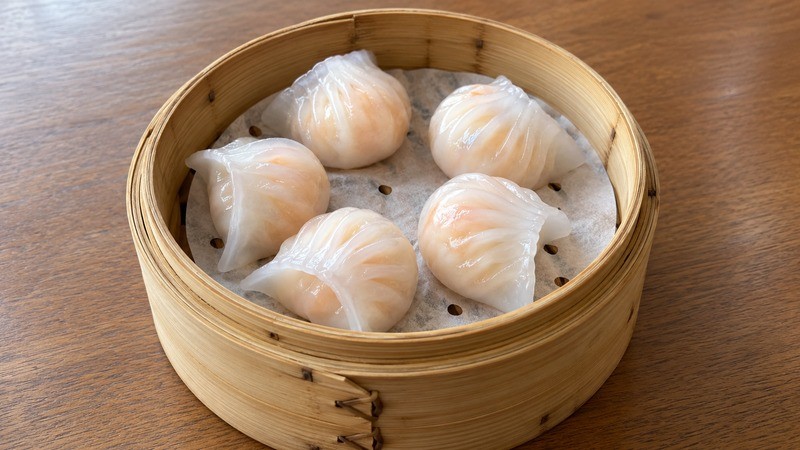
Har gow is the crown jewel of dim sum, and getting it right requires precision. The wrapper is made from a mix of wheat starch and tapioca starch, giving it a translucent, chewy texture that should be thin enough to see the pink shrimp inside without tearing.
Har gow fillings commonly combine shrimp with seasoning and a little fat. Properly thawed frozen shrimp can work. Pleat counts and cooking time vary with wrapper and dumpling size; neither an exact fold count nor an 8-minute timer proves quality or safety.
Common mistakes home cooks make include overfilling the dumplings (causing the wrapper to burst) or using too much flour (making the wrapper tough). For a step-by-step guide to mastering har gow at home, check our article on authentic har gow recipe and history.
Char Siu (Cantonese Roast Pork)
Char siu can use pork shoulder or other suitable cuts, marinated with a sweet-savory mixture and glazed during roasting. Red fermented bean curd or coloring may be used in some versions; bright color alone does not identify an inauthentic or unsafe dish.
Restaurants use different roasting equipment, and home ovens can make char siu successfully. Basting helps build a glossy coating. Follow a full recipe rather than assume that a particular wood fuel is mandatory.
When dining out, compare tenderness, balanced seasoning and freshly carved meat. Some versions are sweeter or leaner than others; these differences are not a universal authenticity test.
Lao Huo Tang (Slow-Cooked Soup)
Slow-cooked soup is a cornerstone of Cantonese meals, often served as the first course to warm the palate. The best soups are made with seasonal ingredients and simmered for hours on low heat, no shortcuts.
Corn and pork-rib soup is one example of a mild, slowly simmered soup. Judge a served soup by its aroma, balanced seasoning and the texture of its ingredients rather than infer a complete recipe or exact simmering time from its name.
Common mistakes include boiling the soup on high heat, which clouds the broth, or adding too many ingredients that overpower each other. The best slow-cooked soups don’t need extra seasonings; the natural sweetness of the corn and depth of the pork come through on their own.
Wok-Tossed Crab with Ginger and Scallion
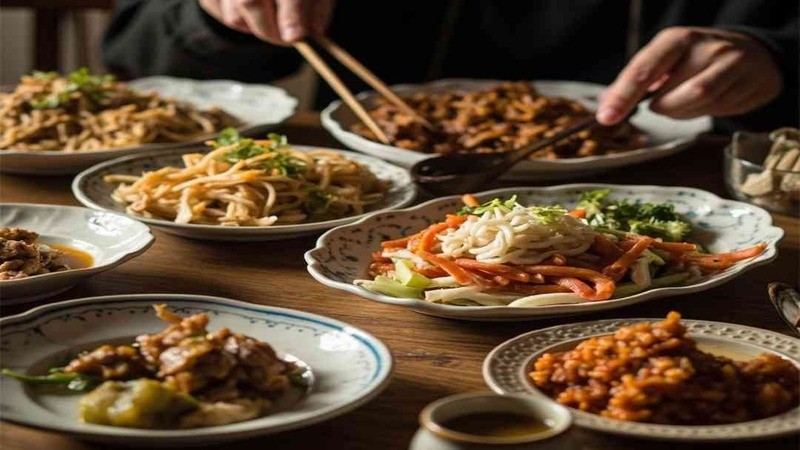
Ginger-scallion crab is a seafood dish in which aromatics and sauce complement the crab. Buy live crab or properly handled packaged seafood from a reliable seller; prepare it safely rather than rely on a claim that freshly killed seafood is always superior.
Cook crab pieces in suitable cookware until the flesh is firm and opaque, checking the thickest accessible meat for 145 F (63 C). A short fixed stir-fry time cannot guarantee that differently sized crabs are cooked.
A large skillet can work at home. Use heat appropriate to the cookware, ventilation and batch size; do not overheat a nonstick pan to chase restaurant-level wok aroma.
How to Find the Best Cantonese Food When Dining Out
For overseas readers, navigating Chinatown menus can be tricky—many spots cater to tourist tastes, offering overly spicy or sweet dishes that don’t represent authentic Cantonese cuisine. Here are practical tips to find the best Cantonese food that’s true to its roots:
- Compare freshly served dim sum: Look for intact wrappers and tender fillings. A busy dining room is not proof of safe handling.
- Judge the result: Frozen or pre-prepared dim sum is not automatically poor quality. Serving temperature, wrapper texture and careful cooking matter.
- Ask about soups: Ask what is in the broth when ingredients or allergens matter. Judge flavor and handling rather than automatically reject every prepared stock.
- Ask about the dish: A menu can include chili or regional influences without making every item non-Cantonese. Choose the dishes and techniques you want to explore.
- Explore thoughtfully: Sweet-sour dishes and Hong Kong adaptations belong to the broader Cantonese food landscape. Do not treat every unfamiliar combination as evidence of poor cooking.
Final Thoughts
The best Cantonese food isn’t about flashy presentations or bold flavors—it’s about respect for ingredients and mastery of simple, traditional techniques. Whether you’re dining at a small teahouse in Guangzhou or trying your hand at making har gow at home, focusing on freshness and balance will give you the authentic experience.
Next time you’re searching for the best Cantonese food, keep these principles in mind, and you’ll find dishes that are both delicious and true to the cuisine’s rich heritage.
Frequently Asked Questions
Which dishes introduce Cantonese cooking?
Dim sum dumplings, char siu, steamed fish, wonton noodles and slow-cooked soups offer a range of textures and techniques. Choose a small combination rather than an absolute ranking.
Which cooking techniques should I compare?
Try steaming, roasting, braising and stir-frying. A mixed meal helps you notice different textures rather than judge every dish by smokiness.
What should I order for a first meal?
A small selection of dumplings, a roast-meat dish, vegetables and either rice or noodles is a practical shared order. Check shellfish, wheat, soy and other allergens with the restaurant.
What are common mistakes when making best cantonese food?
Common mistakes when making best cantonese food include overcooking vegetables, using too much oil or sauce, not properly seasoning the dish, using low-quality or expired ingredients, and rushing the cooking process. Failing to achieve the proper wok hei (breath of the wok) in stir-fried dishes and not maintaining the correct temperature during steaming can also compromise the final result.
Related Cooking Guides
For cooking examples, see Chef Lau’s char siu and steamed fish. Seafood safety guidance is available from the FDA.
Images are illustrative and may be AI-generated; they are not evidence of a tested batch, ingredient origin or safe doneness.