If you’ve ever tried to replicate the glossy, sweet-savory bbq pork char siu from your local Cantonese restaurant only to end up with a dry, bland piece of meat, you’re not alone. For overseas cooks navigating limited ingredients and unfamiliar techniques, getting this iconic Cantonese dish right feels like a small victory.
Use pork shoulder with some marbling, keep the marinade refrigerated and monitor the roasting pork with a thermometer. These decisions matter more than matching a restaurant’s appearance.
What Defines Authentic Cantonese BBQ Pork Char Siu?
Authentic char siu stands out from other sweet barbecued pork dishes for its delicate balance of savory and sweet notes, a glossy caramelized glaze, and tender, juicy texture with just a hint of fat. Unlike Western-style barbecued pork, which often uses bold smoky flavors, char siu leans into umami from soy sauces, subtle warmth from five-spice, and a bright sweetness from honey or maltose.
Many traditional versions also have a faint red tint, either from red fermented bean curd or a small amount of red food coloring—though this is optional, and modern cooks often skip it for a more natural look. The key is that every slice should be moist, not greasy, with a glaze that clings without being sticky.
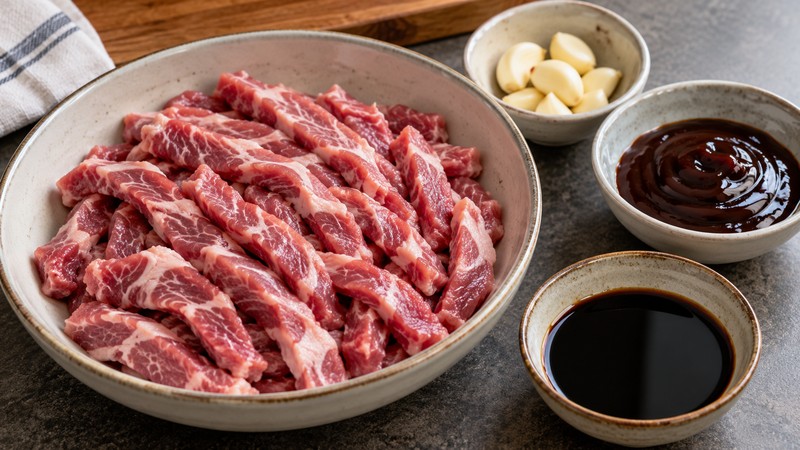
Key Ingredients for Homemade Char Siu
The success of your char siu starts with choosing the right pork cut. Most Cantonese chefs recommend pork shoulder (also called Boston butt) for this dish.
Marbled shoulder is useful for this roast. Lean cuts can be used, but require closer temperature control; they are not guaranteed to turn dry.
For a 1.5-pound piece of pork, you’ll need a simple marinade that delivers all the signature flavors: 2 tablespoons of hoisin sauce, 1 tablespoon of light soy sauce (for saltiness and depth), 1 tablespoon of dark soy sauce (for color, not extra salt), 1 tablespoon of Shaoxing rice wine (for aroma), 1 teaspoon of five-spice powder (use sparingly—too much will overpower the pork), 2 tablespoons of honey, 1 minced garlic clove, and optional red food coloring according to its product label. Mix until smooth and reserve a clean portion in a separate covered container before pouring the rest over the pork in a zip-top bag or shallow dish, ensuring every piece is coated.
Marinate for at least 2 hours, or up to 12 hours in the fridge for deeper flavor.
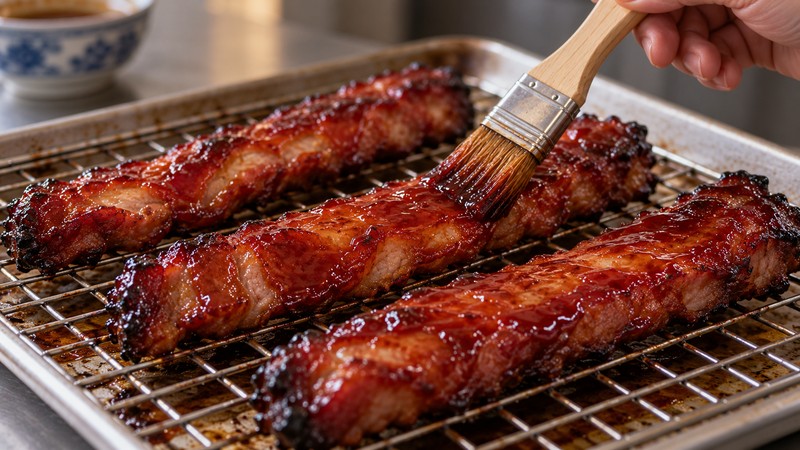
Step-by-Step Roasting Process for Perfect Char Siu
Roasting is the most critical step to get that glossy glaze and tender texture. Start by preheating your oven to 375°F (190°C).
Put the marinated pork on a rack over a lined tray. For basting, reserve clean marinade before it touches pork and refrigerate separately; discard the used raw-pork marinade.
Roast, turn and apply clean reserved glaze. The original timing is only approximate; whole-cut pork needs at least 145 F (63 C) plus a three-minute rest, and color alone cannot prove doneness.
Once the pork is cooked through, increase the oven’s broil setting and broil for 1-2 minutes to crisp the glaze—watch closely here, as the honey can burn quickly. Finally, let the pork rest for 5 minutes before slicing it thin against the grain. Resting is not a guarantee against dry meat.
Common Mistakes to Avoid When Making Char Siu
Lean pork cuts require closer temperature control than marbled shoulder. Avoid unnecessary extra roasting, but do not assume a lean cut must become dry or rubbery.
There is no exact temperature at which every cut becomes dry. Use a thermometer and keep the required rest; avoid extending cooking merely to chase a darker glaze.
A fourth mistake is using too much five-spice powder—this aromatic spice is meant to complement the pork, not dominate it, so stick to 1 teaspoon or less. As an expert tip for beginners: if you’re unsure about the doneness, use a meat thermometer every time—visual cues like color can be misleading, and a thermometer takes the guesswork out of roasting.
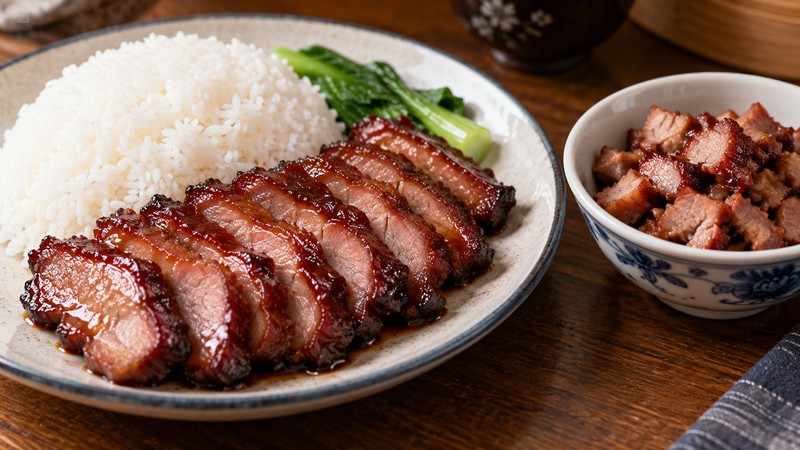
How to Serve and Store Your Homemade Char Siu
Char siu is incredibly versatile, making it perfect for quick weeknight meals or special occasions. The most classic way to serve it is sliced thin over steamed rice, paired with a small side of pickled vegetables (like Chinese pickled radish) to cut through the sweetness of the glaze.
Char siu is a classic filling for char siu bao, not the usual raw-pork-and-shrimp siu mai mixture. Chop cooked pork for steamed BBQ pork buns.
Refrigerate cooked pork promptly and use within three to four days. Reheat leftovers to 165 F (74 C); a ten-minute oven warm-up or one-minute broil is not a safety guarantee.
For longer storage, you can freeze char siu for up to 1 month—just thaw it in the fridge before reheating.
Whether you’re cooking for a family dinner or experimenting with Cantonese cuisine at home, mastering bbq pork char siu is a rewarding skill. It’s a dish that feels both familiar and special, with flavors that balance sweet, savory, and aromatic notes in every bite.
By following these steps and avoiding common mistakes, you’ll be able to make char siu that’s not just good, but authentic—true to the Cantonese tradition that has made this dish a favorite around the world.
Recipe References
Published recipe and technique reference; USDA marinade handling; FoodSafety.gov cooking temperatures; Published recipe and technique reference.
Related recipes: Char siu marinade; Steamed char siu bao.
AI-generated illustrations, where added, show recipe concepts rather than photographs of a tested cooking session.