If you’ve ever ordered Chinese takeout and fallen in love with that glossy, sweet-savory bbq pork chinese style—tender, juicy, with a caramelized glaze that sticks to every bite—you’re not alone. For overseas Cantonese food lovers, replicating this dish at home often feels like a mystery: many try store-bought marinades or generic recipes, only to end up with dry, bland pork that lacks the authentic depth of a restaurant version.
Today, we’re breaking down everything you need to know to make perfect bbq pork chinese style (known in Cantonese as char siu) in your own kitchen, using techniques that stay true to traditional Cantonese cooking while being practical for home cooks.
What Is Authentic Chinese Style BBQ Pork?
bbq pork chinese style, or char siu, is a staple of Cantonese cuisine with a history stretching back centuries. Unlike Western BBQ, which relies on smoke and slow cooking over wood, traditional char siu uses a sweet-savory marinade and is often roasted over charcoal for subtle smokiness—though home cooks adapt it to ovens for accessibility.
The dish is defined by its vibrant reddish-brown (or pink, if using traditional red food coloring) glaze, tender texture, and balanced flavor of sweet honey, salty soy, and warm five-spice. It’s versatile enough to feature in dim sum (like char siu bao steamed buns), congee, fried rice, or served as a standalone dish with steamed rice.
For overseas readers, mastering this dish is a way to bring a piece of Cantonese restaurant culture into their own kitchens.
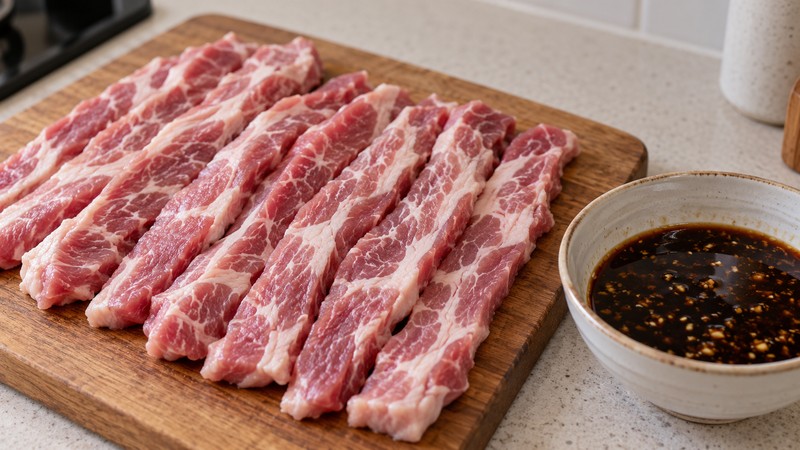
Essential Ingredients for Authentic bbq pork chinese style
Pork shoulder is a forgiving choice because of its marbling. Other cuts can be used, but leaner pork requires closer control of doneness.
Avoid lean cuts like pork loin, which tend to dry out quickly. For the marinade, each ingredient serves a purpose:
- Light soy sauce: Adds saltiness and subtle umami without darkening the meat’s color.
- Dark soy sauce: Gives the iconic deep reddish-brown hue and adds a richer, nuttier flavor.
- Hoisin sauce: Thickens the glaze and contributes a sweet, savory depth that ties all flavors together.
- Shaoxing rice wine: Cuts through any gaminess in the pork and adds a subtle aromatic note that’s central to Cantonese cooking.
- Five-spice powder: The signature spice blend (cinnamon, star anise, cloves, Sichuan pepper, fennel) that gives char siu its unique warm, complex taste.
- Honey: The main source of sweetness and the ingredient that creates the glossy caramelized glaze when roasted.
- Optional red food coloring: Used in traditional Cantonese char siu for that bright pink look, but many home cooks skip it for a more natural appearance.
You’ll also need basic tools: a baking sheet, wire rack (critical for airflow to prevent sogginess), a meat thermometer, and a small pastry brush for glazing.
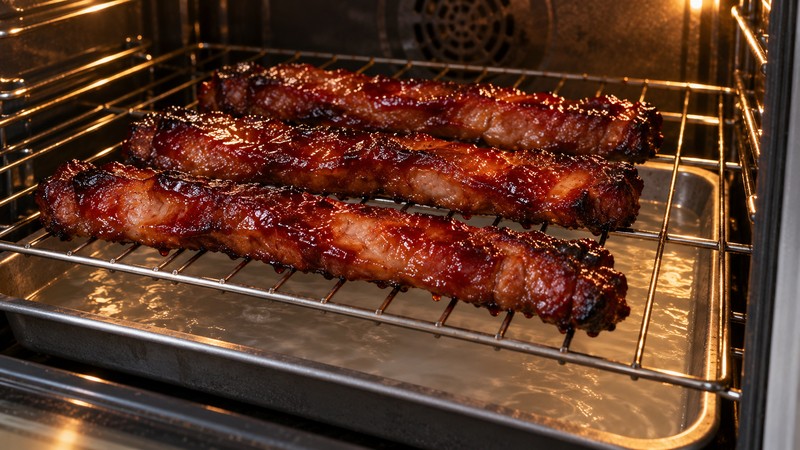
Step-by-Step Cooking Technique for bbq pork chinese style
Making bbq pork chinese style at home is straightforward if you follow these steps, with attention to marination and roasting times:
- Prep the pork: Trim large, hard pieces of fat from the pork shoulder, then cut it into 1-inch thick strips (about 4-5 inches long). Score the surface of each strip lightly with a knife—this helps the marinade penetrate deep into the meat, not just sit on the surface.
- Mix the existing home-style marinade for one pound of pork: 2 tbsp light soy, 1 tbsp dark soy, 1 tbsp hoisin, 1 tbsp Shaoxing wine, 1 tsp five-spice and 2 tbsp honey. Reserve a clean portion before adding pork. These are this version's proportions, not a personally tested or universal formula.
- Cover and refrigerate the pork during marination, including any overnight rest. Keep the separately reserved clean glaze covered in the refrigerator too.
- Prep for roasting: Preheat your oven to 375°F (190°C). Line a baking sheet with aluminum foil for easy cleanup, then place a wire rack on top.
- This rack elevates the pork, letting hot air circulate around all sides, so it roasts evenly instead of steaming in its own juices.
- Roast and baste: Arrange the marinated pork strips on the wire rack, leaving space between each. Pour any remaining marinade over the pork.
- Arrange the strips without overlap and roast on the rack. Turn as they color and apply clean glaze toward the end. Verify at least 145 F (63 C), followed by a three-minute rest; fifty minutes is not a guarantee.
- Glaze and finish: In the last 5 minutes of cooking, brush the pork generously with honey to create a glossy caramelized glaze. Keep an eye on it—honey burns quickly, so don’t leave the oven unattended during this step.
- Rest before slicing: Once done, remove the tray from the oven and let the pork rest for 10 minutes. This allows the juices to redistribute, so every slice is juicy, not dry.
- Slice thinly against the grain for the best texture.
Common Mistakes to Avoid When Making bbq pork chinese style
Even with a good recipe, small missteps can ruin your char siu. Here are the most frequent errors and how to fix them:
- Choosing the wrong pork cut: As mentioned, lean pork loin will result in dry, tough meat. Stick to pork shoulder for home cooking—it’s forgiving and stays juicy.
- Not marinating long enough: A short marinate (less than 2 hours) means the flavor only sits on the surface. For beginners, setting the pork to marinate overnight is a safe bet.
- Skipping the wire rack: Without it, the pork sits in its own juices, steaming instead of roasting. This makes the glaze runny and the meat less caramelized.
- Overcooking: a thermometer is more reliable than glaze color. Fatty shoulder may remain tender above the minimum temperature, so 160 F is not a universal dry-pork boundary.
- Skipping scoring the pork: Lightly scoring the meat helps the marinade penetrate, so every bite is flavorful. Skip this, and you’ll end up with bland pork even if you marinate for hours.
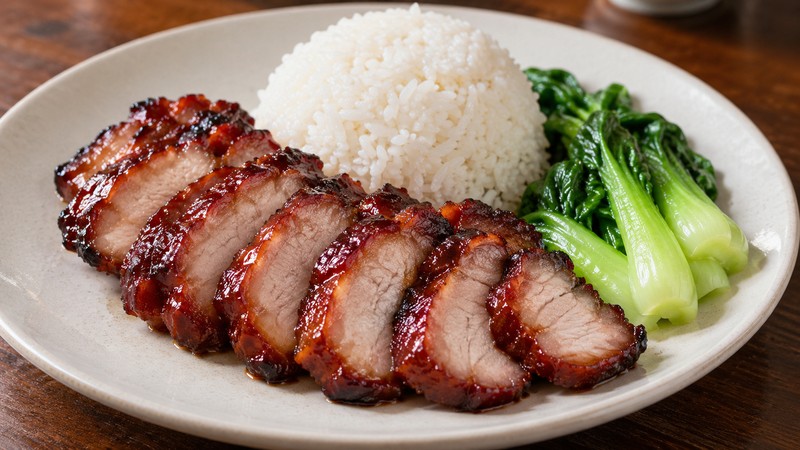
Home-Cooking Tips for Perfect bbq pork chinese style Results
To take your char siu from good to restaurant-worthy, keep these tips in mind:
- Use a meat thermometer in the thickest part. Whole-cut pork requires at least 145 F (63 C) and a three-minute rest.
- Baste with clean reserved glaze. Discard marinade that touched raw pork, or boil it before reuse.
- Adjust to your taste: If you prefer less sweet, reduce the honey by half. If you love umami, add a teaspoon of oyster sauce to the marinade. Don’t be afraid to tweak the recipe to match your preferences.
- Smoky twist: If you miss the smoky flavor from traditional Cantonese BBQ pits, add a pinch of smoked paprika or a drop of liquid smoke to the marinade. It’s a small tweak that makes a big difference in replicating that restaurant taste.
- Serving suggestions: bbq pork chinese style is versatile—slice it and serve with steamed rice, add to char siu bao, chop it up for congee, or use it as a filling for fried rice. It’s also delicious on its own with a side of pickled vegetables to cut through the sweetness.
If you’re looking to pair this dish with a classic Cantonese meal, our guide to the art of yum cha dining tradition has tips on how to serve char siu alongside other dim sum favorites like har gow and siu mai. For overseas readers, this is a way to create an authentic Cantonese feast in your own home, with flavors that are true to the tradition while being practical for modern kitchens.
Recipe References
Published recipe and technique reference; USDA marinade handling; FoodSafety.gov cooking temperatures.
Related recipes: BBQ pork sauce; Use cooked pork in steamed buns.
AI-generated illustrations, where added, show recipe concepts rather than photographs of a tested cooking session.