If you’ve ever ordered char siu at a local Cantonese restaurant and wondered how to get that glossy, sweet-savory glaze that melts on your tongue without the restaurant’s commercial oven, you’re not alone. Many home cooks struggle to replicate the tender, juicy texture and balanced flavor of authentic Cantonese BBQ pork at home, but the secret starts with a well-balanced bbq pork marinade chinese-style that doesn’t rely on artificial additives or shortcuts.
What Makes an Authentic Cantonese BBQ Pork Marinade Different
Cantonese BBQ pork, or char siu, is defined by its signature combination of sweet, savory, and subtle aromatic notes—something that sets it apart from other pork marinades. Unlike Western BBQ marinades that often lean heavily on tomato or mustard, a bbq pork marinade chinese-style uses ingredients that highlight umami, depth, and a hint of warmth from five-spice powder.
The balance here is critical: too much sugar will overpower the meat, while too much salt will make it dry. For example, many home cooks make the mistake of adding extra honey to get a glossy finish, but this can burn quickly during cooking and leave a cloying taste.
Start with a clean marinade and taste before adding raw pork. Adjust salty sauces and sweeteners to suit the brands you use.
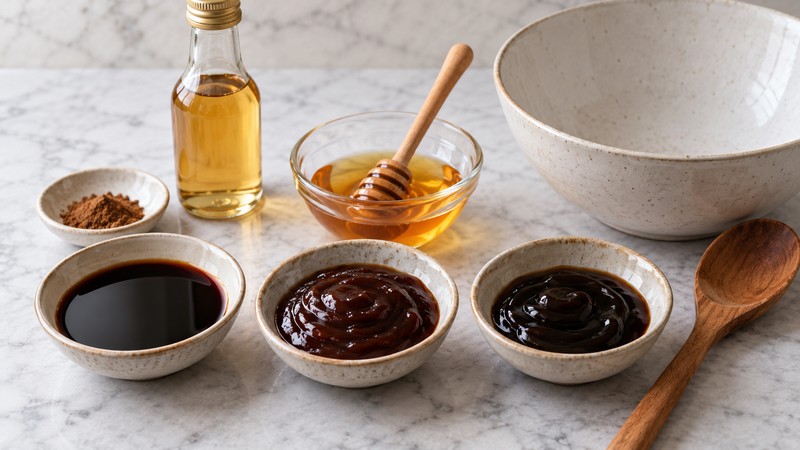
Essential Ingredients for Your Chinese BBQ Pork Marinade
To make a marinade that works for home cooking, you need ingredients that are easy to find at most Asian grocery stores or online. Let’s break down each component and why it matters:
- Pork shoulder blade: This is the best cut for char siu, as it has a small amount of fat that keeps the meat tender and juicy during cooking. Avoid lean cuts like pork loin, which will dry out easily. Cut the meat into 1-inch thick strips, about 6 inches long, to ensure even cooking.
- Shaoxing wine supplies aroma; dry sherry is an alternative. Do not assume wine alone tenderizes thick pork strips.
- Maltose and honey can both glaze char siu. Either can burn; use thin coats and watch the heat rather than assuming maltose cannot scorch.
- Oyster sauce and hoisin sauce: Both add deep umami flavor and saltiness. Oyster sauce is more concentrated, so use it sparingly, while hoisin adds a slight tang. Together, they create the savory base of the marinade.
- Light soy adds salt and umami. Dark soy may also appear in some formulas for color; it is not universally unsuitable.
- Five-spice powder: A mix of star anise, cloves, cinnamon, Sichuan pepper, and fennel seeds, this adds a warm, aromatic note that’s unique to Cantonese BBQ pork. Don’t overdo it—just a pinch is enough to enhance the flavor without making it taste spicy.
- White pepper: A small amount adds a subtle heat that cuts through the sweetness, balancing the overall taste.
Red food coloring is optional. Follow its product directions rather than treating a fixed spoonful as necessary for authenticity.
Step-by-Step: How to Mix and Use the Marinade
Mixing the marinade correctly is just as important as choosing the right ingredients. Follow these steps for best results:
- Pat the pork dry; do not rinse raw pork, which can spread contamination. Cut into even strips rather than relying on scoring to season the center.
- For a clearly sized batch, this existing home-style mix uses about one pound of pork with 2 tbsp Shaoxing wine, 1 tbsp maltose or honey, 2 tbsp oyster sauce, 1 tbsp hoisin, 1 tbsp light soy, 1/2 tsp five-spice and white pepper. Stir until blended and reserve clean glaze before adding pork. This is a variation, not a personally tested recipe.
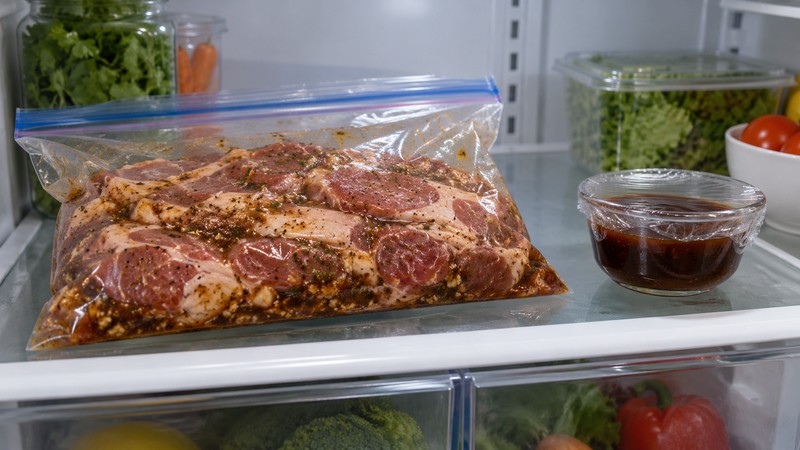
- Marinate the pork: Place the pork strips in a zip-top bag or a shallow dish, then pour the marinade over them. Make sure every strip is coated evenly.
- Cover and refrigerate the pork while marinating. Overnight marination is convenient, but salt level and cut thickness affect the result.
- Cook the pork: There are several ways to cook char siu at home, each with its own benefits:
- Oven method: roast evenly spaced strips on a rack over a tray at 375 F (190 C), turning and glazing with clean reserved sauce. Measure doneness rather than promising thirty minutes; whole-cut pork needs at least 145 F (63 C) and a three-minute rest.
- Grill method: use an outdoor grill and avoid direct flare-ups. Turn the strips and apply clean glaze toward the end; verify the same pork temperature and rest.
- A pan-cooked adaptation can brown unevenly on thick strips. Use smaller, even pieces and verify the center rather than relying on an eight-minute timer.
Brush with the separately reserved clean glaze near the end of roasting. Do not use liquid from the raw-pork marinating bag; apply thin coats and watch for scorching.
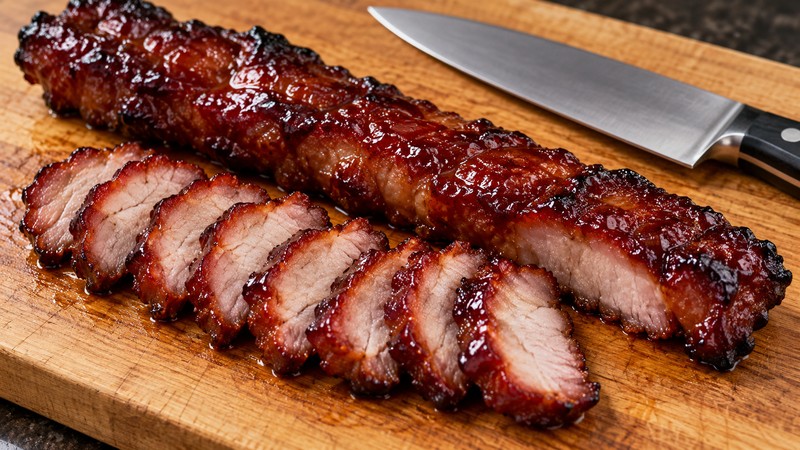
Home-Cooking Tips for Perfect BBQ Pork Every Time
Even with the right marinade, small details can make a big difference in the final result. Here are some tips from Cantonese home cooks to help you get it right:
- Rest the pork after cooking: Let the char siu rest for 5 minutes before slicing. This allows the juices to redistribute, so each slice is tender and juicy, not dry.
- Adjust the sweetness to your taste: If you prefer a sweeter char siu, add a little more maltose. If you like it more savory, add an extra teaspoon of oyster sauce. The marinade is flexible, so don’t be afraid to tweak it to your liking.
- Use fresh ingredients: The quality of the pork and the marinade ingredients will affect the flavor. Choose fresh pork from a trusted butcher, and avoid using expired sauces or spices.
- Don’t overcrowd the cooking surface: Whether you’re using an oven, grill, or pan, leaving space between the pork strips ensures they cook evenly and the glaze can caramelize properly.
Expert judgment: If you’re using an oven, using a wire rack is better than placing the pork directly on the tray—this allows air to circulate around the meat, preventing it from getting soggy at the bottom.
If you’re looking for more Cantonese BBQ recipes to pair with your char siu, you might also want to check our guide to classic siu mai, another yum cha favorite that complements the sweet-savory taste of BBQ pork.
Recipe References
Published recipe and technique reference; USDA marinade handling; FoodSafety.gov cooking temperatures.
Related recipes: Chinese BBQ pork sauce; Char siu roasting.
AI-generated illustrations, where added, show recipe concepts rather than photographs of a tested cooking session.