best char siu cantonese food guide

The Best Char Siu: Authentic Cantonese Roast Pork for Home Cooks

Quick Answer

Best char siu should be judged by pork cut, marinade balance, roasting heat, glaze, resting time, and texture rather than by sweetness alone.

Basic Facts

  • Dish focus: Cantonese char siu evaluation
  • Best use: Restaurant choice, home cooking, and Cantonese barbecue learning
  • Main check: Marinade, roast heat, glaze, tenderness, fat balance, and slice texture
  • Common mistake: Calling char siu good only because the surface is red or sweet

Quick reference: best char siu = pork cut + marinade + roast heat + glaze + tender texture.

best char siu effectively

If you’ve ever walked into a Chinatown dim sum shop and smelled that sweet, smoky aroma of roasted pork, you know why char siu is one of Cantonese cuisine’s most beloved dishes. For overseas readers looking to recreate the best char siu at home, the key is balancing traditional marinade flavors, precise roasting techniques, and avoiding common mistakes that turn it dry or overly sweet.

This guide breaks down exactly what makes char siu authentic, how to choose the right cuts, and tips to get that glossy, caramelized exterior every time.

What Defines the Best Char Siu?

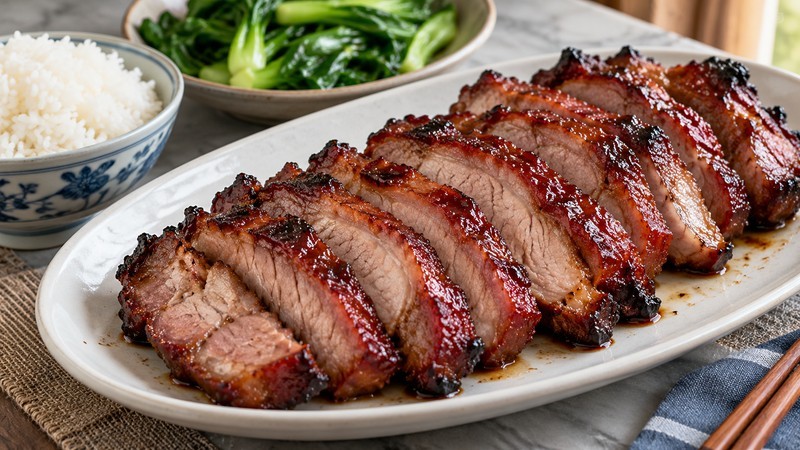
The best char siu isn’t just sweet pork—it’s a balanced blend of savory, umami, and subtle warmth, with a deep red hue that signals it’s been properly marinated. Unlike some Western roasted pork dishes that rely on artificial dyes, authentic char siu gets its color from natural ingredients like red fermented bean curd and caramelized honey.

The texture should be tender but not mushy, with a slight chew that comes from the marbling in the pork. For Cantonese diners, char siu is more than a dish—it’s a staple at family meals, festival feasts, and yum cha gatherings, so getting it right matters.

A common misconception is that char siu needs to be overly sticky or sweet; the best versions let the pork’s natural flavor shine through, with the marinade acting as a complement rather than a mask.

Essential Ingredients for the Best Char Siu (Home Version)

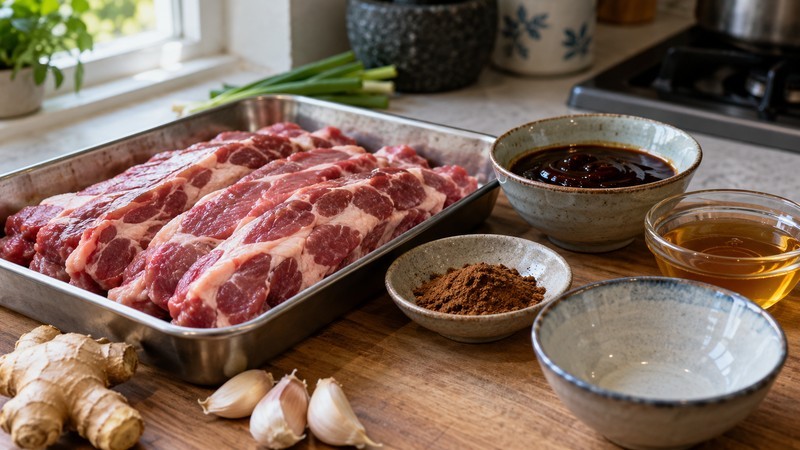
To make the best char siu at home, you don’t need specialized tools—just quality ingredients and a bit of patience. Start with the pork cut: pork shoulder butt (also called pork collar) is the only choice for juicy, flavorful char siu.

This cut has a mix of lean meat and fat, which keeps it moist during roasting, unlike lean pork loin that often turns dry. For a 500g batch, you’ll need:

  • 500g pork shoulder butt, cut into 2-inch thick strips (about 5cm wide)
  • 3 tbsp light soy sauce (for savory depth)
  • 1 tbsp dark soy sauce (for color, not saltiness)
  • 2 tbsp hoisin sauce (for umami and sweetness)
  • 2 tbsp raw honey (for caramelization, not processed sugar)
  • 1 tsp five-spice powder (for warm, aromatic notes)
  • 1 tbsp Shaoxing wine (to cut pork gaminess and add aroma)

Each ingredient plays a specific role: Shaoxing wine is non-negotiable for authentic Cantonese flavor, while red fermented bean curd adds a subtle tang that balances the sweetness. Beginners should skip artificial food coloring—its harsh taste will overpower the dish, and the natural red from fermented bean curd is more than enough.

Step-by-Step to Roast the Best Char Siu at Home

Roasting char siu requires attention to timing and basting, but it’s manageable even for home cooks. Follow these steps for consistent results:

  • Prep the pork: Cut the shoulder butt into strips that are roughly the same thickness (2 inches) so they cook evenly. Score the top of each strip lightly with a knife—this helps the marinade penetrate the meat.
  • Marinate: Mix all the marinade ingredients in a bowl until smooth. Add the pork strips and toss to coat completely.
  • Cover the bowl and let it marinate in the fridge for at least 2 hours; overnight (12 hours) is ideal for deep flavor. If you’re short on time, a minimum of 4 hours works, but don’t skip marinating entirely—it’s key to the best char siu.
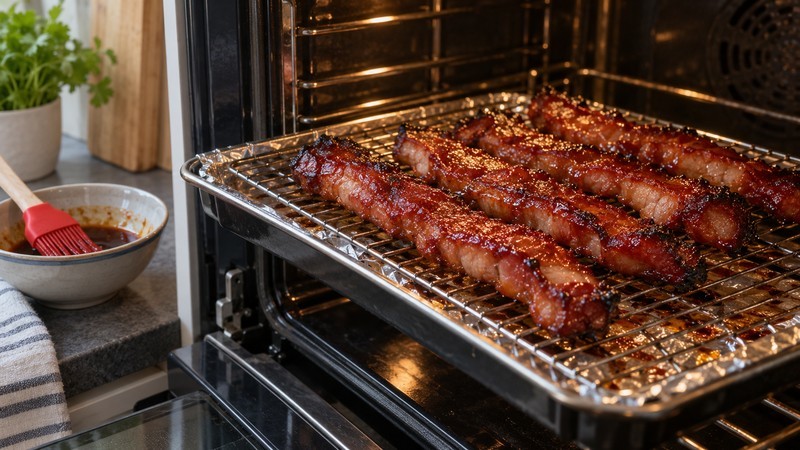
  • Roast the first stage: Preheat your oven to 180°C (350°F) and line a baking tray with aluminum foil for easy cleanup. Place a wire rack on top of the tray, then arrange the pork strips on the rack (don’t let them touch the tray, as this will make them soggy).
  • Roast for 20 minutes.
best char siu essential guide
  • Baste and flip: While the pork roasts, set aside 2 tbsp of the leftover marinade and mix it with 1 extra tbsp of honey. After 20 minutes, take the pork out, brush it generously with the honey-marinade mix, then flip each strip.
  • Roast for another 15 minutes.
  • Finish with caramelization: Brush the pork again with the honey-marinade mix, then roast for 10 more minutes. The exterior should be glossy and caramelized, with a slight char on the edges.
  • Use a meat thermometer to check the internal temperature—it should reach 75°C (165°F) for food safety, but don’t overcook beyond that, or the meat will dry out.
  • Rest and slice: Let the char siu rest for 5 minutes before slicing. This allows the juices to redistribute, so each slice is tender and juicy. Slice against the grain into thin, ¼-inch pieces.

Common Mistakes to Avoid When Making Char Siu

Even with the right ingredients, it’s easy to make mistakes that ruin the best char siu. Here are the most frequent errors and how to fix them:

  • Using the wrong pork cut: As mentioned earlier, pork loin is lean and will turn dry. I once tested a batch with loin for a quick meal, and even with careful roasting, it was so dry it crumbled when I sliced it. Stick to shoulder butt for the best results.
  • Not marinating long enough: If you only marinate for 30 minutes, the flavor will be on the surface, not inside the meat. Overnight marination lets the marinade seep into every bite, making the char siu taste authentic.
  • Over-roasting: It’s tempting to leave the pork in longer to make sure it’s cooked, but this is a quick path to dryness. The 45-minute total roasting time (20+15+10) is perfect for a 2-inch strip; adjust by 5 minutes if your strips are thicker.
  • Skipping basting: Basting with honey and marinade in the last 25 minutes is what gives char siu its signature glossy, sticky exterior. If you skip this step, the pork will look plain and lack that caramelized finish.
  • Adding too much honey early: If you add all the honey at the start, it will burn during roasting and leave a bitter taste. Basting in the final stages ensures the honey caramelizes evenly without burning.
best char siu concepts

Home-Cooking Tips to Elevate Your Char Siu

Once you master the basics, these small tips will take your char siu from good to the best:

  • Use a convection oven if you have one: The circulating heat helps the exterior crisp up while keeping the inside juicy, which is closer to the traditional charcoal-roasted char siu.
  • Add a splash of water to the baking tray: If the marinade starts to burn, add ¼ cup of water to the tray halfway through roasting—this prevents the bottom of the char siu from getting too dark.
  • Save the pan juices: The drippings from the baking tray are full of flavor. Drizzle them over sliced char siu or steamed rice for an extra umami boost.
  • Adjust the sweetness to taste: If you prefer less sweet char siu, reduce the honey by 1 tbsp. Cantonese char siu is balanced, so don’t overdo the sugar, but don’t skimp either—honey is key to the caramelized exterior.

Serving the Best Char Siu Like a Local

Cantonese diners serve char siu in many ways, and the best char siu works for all of them. The most common pairing is with steamed white rice, drizzled with the pan juices—this is a classic weeknight meal in many Hong Kong households.

For a yum cha twist, slice char siu thinly and wrap it in cheung fun rolls, a soft rice noodle dish that pairs perfectly with the sweet-savory pork. If you’re looking for something more hearty, add char siu to congee or use it as a topping for noodles.

Many overseas readers might not have access to a traditional Cantonese restaurant’s char siu, so making it at home lets you enjoy this staple anytime. For more on how to pair char siu with traditional Cantonese dishes, you can learn about the art of yum cha dining tradition in our related guide.

Regional Variations to Note

While the best char siu follows a core formula, there are small regional differences across Guangdong. In Guangzhou, char siu often uses more five-spice and red fermented bean curd, while in Chaoshan, some versions add garlic or sesame oil for extra depth.

These variations are not “wrong”—they’re part of the diversity of Cantonese cuisine. As a home cook, you can adjust the ingredients to your taste, but sticking to the core marinade and pork cut will give you the best char siu that’s true to its roots.

For overseas readers, making the best char siu at home is a way to connect with Cantonese culture, even if you’re far from Hong Kong or Guangzhou. With the right ingredients, a bit of patience, and these tips, you can create a dish that tastes just like the ones from your favorite local dim sum shop.

The key is to focus on balance—sweet and savory, tender and glossy—and avoid the common mistakes that trip up new cooks. Once you perfect your char siu, it will become a go-to dish for family meals, gatherings, and anytime you crave a taste of home.

Wikipedia

Frequently Asked Questions

What is the significance of best char siu in Cantonese cuisine?

Char siu (叉燒) is one of the most iconic and beloved dishes in Cantonese cuisine, serving as a cornerstone of dim sum, roasted meat shops, and family dinners alike. It represents the perfect balance of sweet and savory flavors that characterizes Cantonese cooking. Often served as a main dish, in rice bowls, or as a filling for buns (cha siu bao), char siu symbolizes celebration and abundance in Cantonese culture, making it a staple at banquets and festive occasions.

How is best char siu traditionally prepared?

The traditional preparation of char siu involves several key steps: first, the pork (typically pork belly or pork shoulder) is cut into long strips and scored to allow the marinade to penetrate. The meat is then marinated for several hours or overnight in a mixture of hoisin sauce, soy sauce, sugar, five spice powder, and other seasonings. Traditionally, the pork is roasted on a horizontal spit over charcoal fire, which imparts a distinctive smoky flavor and char. Modern methods often use an oven, but the best results come from slow-roasting at moderate temperatures while repeatedly basting the meat with the marinade to create a caramelized, glossy exterior.

What ingredients are essential for best char siu?

The essential ingredients for authentic char siu include: pork belly or pork shoulder (the main protein), hoisin sauce (for sweetness and depth), soy sauce (for umami and color), rock sugar or white sugar (for caramelization), five spice powder (for aromatic complexity), Shaoxing wine (for depth and fragrance), garlic and ginger (for freshness), and red food coloring (optional, but traditional for achieving the characteristic red-orange hue). Some recipes also include oyster sauce, maltose, and sesame oil to enhance the flavor profile and create the signature glossy coating.

What are the health benefits of best char siu?

While char siu is primarily enjoyed for its delicious taste, it does

More Cantonese Cooking Guides

For more context, continue with these related YueCuisine guides:


Tags: authentic cantonese recipes best char siu Cantonese cooking Chinese recipes

Powered by Shanyue Group | Contact: contact@shanyuegroup.com

About | Contact | Privacy Policy

© 2026 Shanyue Group • All Rights Reserved