Key Criteria for the Best Fish for Chinese Steamed Fish
Cantonese steamed fish relies on minimal seasoning—usually ginger, scallion, light soy sauce, and hot oil—to highlight the fish’s natural flavor, so every choice matters. The best fish for this style of cooking meets four core criteria: freshness, size, texture, and variety suited to local availability.
Quick Answer
The best fish for Chinese steamed fish is fresh, mild, tender, and sized so it cooks evenly. Sea bass, snapper, flounder, cod fillet, and tilapia can all work when the fish smells clean and the flesh stays firm.
Basic Facts
| Cooking style | Cantonese-style steaming |
|---|---|
| Best texture | moist, tender, and flaky |
| Avoid | fish with an off smell or poor cold handling |
| Main test | freshness matters more than the exact species |
Quick reference: Use this page as a selection checklist before shopping: match the fish size to your steamer, check freshness first, then choose the variety that is easiest to buy locally.
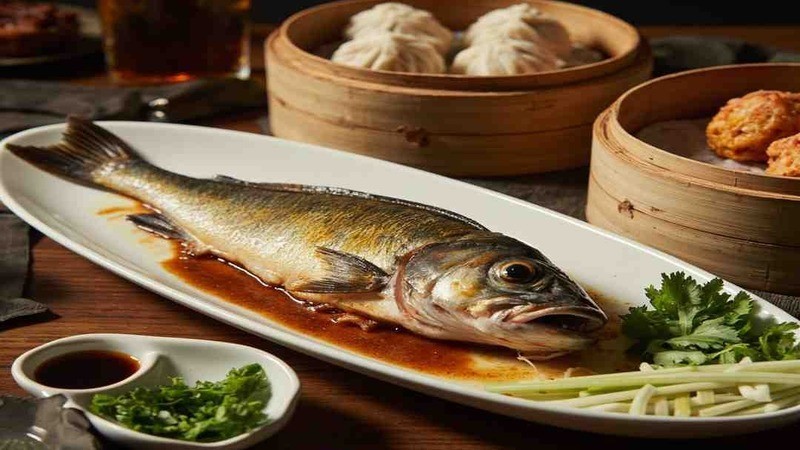
Choose fish from a refrigerated display or clean ice. Look for a mild smell, firm flesh and no dried edges. Clear eyes and red gills are useful clues for never-frozen whole fish, but appearance alone cannot prove safety; previously frozen fish may look different. FDA seafood guidance explains the checks.
For fillets, choose firm flesh without drying or discoloration. Properly handled frozen fish is a valid choice, not an automatic quality failure. Keep it cold and thaw in the refrigerator.
Choose a fish that fits your heatproof plate and allows the steamer lid to close. There is no universal 500 g limit: thickness, shape and equipment matter as well as weight.
A larger fish can be steamed successfully in suitable equipment. Ask the fishmonger to scale and gut it, or choose a fillet if the whole fish will not fit. Do not use a fixed steaming time as a guarantee of doneness.
Mild white fish is a useful starting point for ginger-scallion steaming. Oily fish such as salmon can also be steamed, but gives a different flavor; it is not unsuitable or unsafe simply because it is oily.
Finally, choose a species you can buy in good condition. Whole fish contain bones; ask for pin-boned fillets when bone removal is important.
We’ll cover these in more detail later, but the most common options include sea bass, red snapper, tilapia, and grouper.
Common Mistakes to Avoid When Choosing Fish for Steaming
Even experienced cooks can make missteps when selecting fish for steamed Cantonese dishes. Here are the most frequent errors to steer clear of:
- Ignoring equipment size: Match the fish to the plate and pot. Larger fish need adjusted cooking and doneness checks, not automatic rejection.
- Relying on looks alone: Check handling, odor and package condition for both whole fish and fillets. Neither form guarantees freshness.
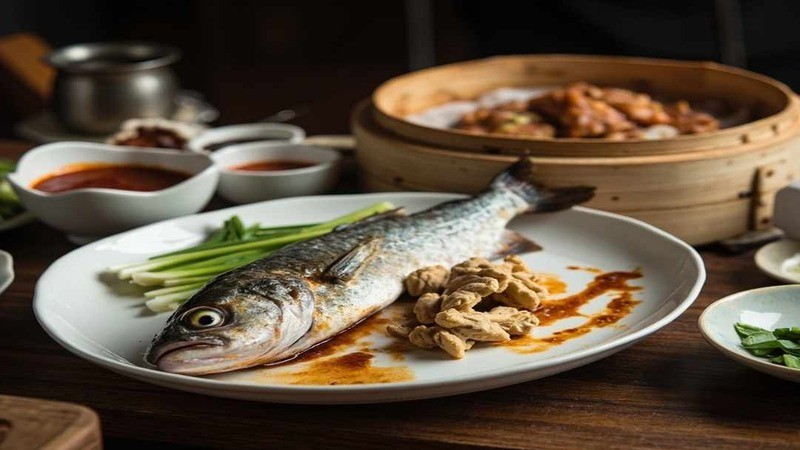
- Overlooking bones: Ask the fishmonger about the species and inspect the cooked fish carefully. Sea bass, tilapia, flounder and sole are not bone-free.
- Ignoring local availability: If sea bass is hard to find in your area, don’t force it. Tilapia, catfish, or even freshwater bass (if available) are excellent alternatives that meet the same criteria of firm texture and mild flavor.
For beginners, a mild white-fish fillet makes handling simpler; a whole fish offers a traditional presentation. Availability and bone management are better criteria than a premium price.
Top Varieties of Fish for Chinese Steamed Fish
Now that you know the criteria, here are the best fish for Chinese steamed fish, tailored to overseas home cooks:
- Sea Bass (鲈鱼): The most popular choice for Cantonese steamed fish, mild and delicate with firm yet tender flesh. It’s widely available in Asian markets and many mainstream grocery stores, making it perfect for beginners. It cooks evenly and absorbs seasoning well, so it’s a reliable go-to for any occasion.
- Red Snapper (红鲷鱼): A step up in flavor, with a sweet, slightly nutty taste and flaky but firm texture. Compare its local price with other suitable fish, as it holds up beautifully to steaming and has a subtle, pleasant flavor that shines through simple seasoning.
- Tilapia (罗非鱼): An affordable, accessible option for regions where sea bass is hard to find. It has a mild, neutral flavor and firm texture, so it works well with ginger and scallion. Just make sure to choose fresh tilapia with clear eyes and bright gills, as it can sometimes have a slightly muddy taste if not properly sourced.
- Grouper (石斑鱼): A premium choice, often used in high-end Cantonese restaurants. It has a buttery, delicate flavor and very firm flesh that stays intact even with longer steaming times. It’s ideal for celebrations, but prices depend on local supply; choose it if the condition and price suit your meal.
Practical Tips for Selecting Fish at Overseas Markets
Navigating fish markets abroad can be tricky, but these tips will help you pick the best fish every time:
- Shop at a reputable fishmonger: A good fishmonger will clean and score the fish for you (saving time), point out the freshest options, and answer questions about origin. If you’re unsure, ask them to recommend a fish for steamed cooking—they’ll know the local varieties that work best.
- Check the fish’s appearance: As mentioned earlier, clear eyes, bright red gills, shiny scales, and a mild briny smell are signs of freshness. Avoid fish that looks dull, has cloudy eyes, or smells strongly of ammonia.
- Choose a practical form: A whole fish is useful for a shared platter; fillets are easier to portion. Ask when it was caught or thawed and how it has been kept cold.
- Thaw frozen fish properly: Follow package directions and thaw in the refrigerator, not on the counter. Both frozen whole fish and fillets can work.
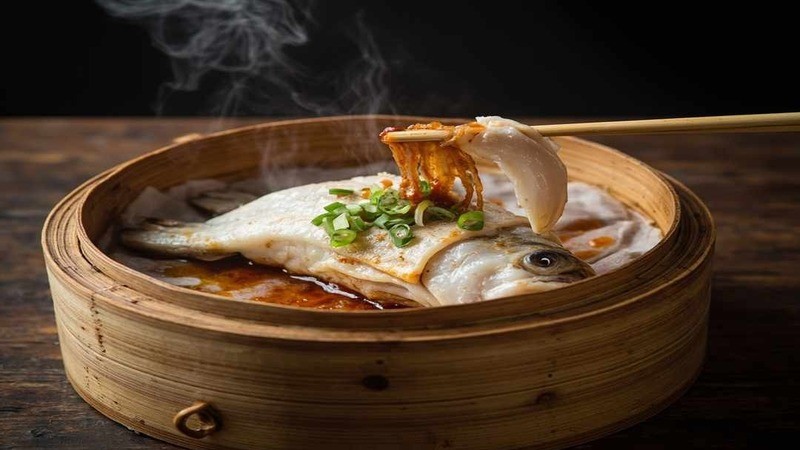
For cooking technique, see our steamed barramundi guide. Chef Lau’s steamed-fish demonstration shows another approach. Cook fish to 145 F (63 C) at its thickest part; ginger, scallion and a light soy-based finishing sauce complement rather than replace careful cooking.
Final Thoughts
Choosing the best fish for Chinese steamed fish doesn’t have to be complicated. By focusing on freshness, size, texture, and variety that’s accessible in your area, you can create a dish that’s tender, flavorful, and true to Cantonese tradition.
Remember to avoid common mistakes like picking spoiled or poorly handled fish or a fish that does not fit the equipment, and don’t hesitate to ask your fishmonger for help if you’re unsure. With these tips, your next steamed fish will be a hit with family and friends, bringing a taste of authentic Cantonese cuisine to your overseas kitchen.
Frequently Asked Questions
Which fish should I buy?
Sea bass, snapper, tilapia and grouper are useful mild-flavored options. Pick according to condition, price, bones and plate size, not a claim that one species is always best.
How do I steam the fish after choosing it?
Use a heatproof plate on a rack over boiling water, close the lid and maintain steam. Cooking time varies with thickness and equipment. Check the thickest part for 145 F (63 C), then finish with ginger, scallion and sauce.
Do I need a complicated sauce?
No. Ginger, scallion and a light soy-based sauce suit mild fish. Sesame oil, sugar, cilantro or black beans are variations, not compulsory ingredients.
Can frozen fish work?
Yes, if properly handled and thawed. Avoid damaged packaging, poor cold storage, excessive seasoning and cooking by the clock without checking doneness.
Related Cooking Guides
Images are illustrative and may be AI-generated; they are not evidence of a tested batch, ingredient origin or safe doneness.