Cantonese beef represents one of the most beloved preparations in the world of Chinese cuisine,
embodying the delicate balance of flavors, precise cooking techniques, and cultural significance that define Cantonese cooking.
Originating from the Guangdong province in southern China,
this dish has traveled from humble home kitchens to prestigious restaurants worldwide, yet it retains its essential character—a testament to the wisdom of centuries-old culinary traditions.
The preparation of beef in Cantonese cuisine reflects not only the region’s abundant access to fresh ingredients but also the Cantonese philosophy of preserving natural flavors through minimal yet impactful seasoning.
Whether served as a quick weeknight stir-fry or as part of an elaborate banquet,
Cantonese beef continues to hold a special place in the hearts and stomachs of millions, bridging generations and cultures through the universal language of food.
The art of preparing beef in Cantonese style goes far beyond simple stir-frying; it encompasses a sophisticated understanding of texture, timing, and the alchemy of sauce combinations that transform humble cuts of meat into something extraordinary.
Unlike the bold, spicy preparations found in Sichuan cuisine or the rich, braised dishes of northern China,
Cantonese beef emphasizes subtlety, freshness, and the natural sweetness of ingredients.
The technique of “velveting”—coating meat in a protective mixture of cornstarch, egg white,
and seasonings before quick cooking—creates that signature tender, silky texture that has become synonymous with quality Cantonese cooking.
This method, refined over generations,
allows the beef to remain juicy and succulent while developing a delicate sear that locks in flavor.
What Is Cantonese Beef?
Cantonese beef refers to any beef dish prepared according to the culinary traditions of Guangdong province,
with emphasis on quick cooking methods, fresh ingredients, and a harmonious balance of savory, sweet, and umami flavors.
The term encompasses numerous preparations,
from the classic Cantonese beef stir-fry to more elaborate dishes like beef with oyster sauce, steamed beef with ginger and scallions, and the popular Hong Kong-style beef brisket stew.
What unites these diverse preparations is their adherence to core Cantonese principles: using the freshest ingredients available,
cooking with high heat in a wok, and building complex flavors through the careful layering of sauces and seasonings.
The history of beef in Cantonese cuisine traces back centuries,
though it underwent significant evolution as the region became a hub of international trade and culinary exchange.
Historically,
beef was not the primary protein in Chinese cuisine—pork and poultry held that distinction—but Cantonese cooks developed innovative techniques to maximize the potential of this flavorful meat.
The introduction of Western beef cuts and cooking methods during the colonial era in Hong Kong further influenced the development of modern Cantonese beef dishes, creating a unique fusion of traditional and imported techniques.
Today, Cantonese beef stands as a symbol of the region’s adaptability and its relentless pursuit of culinary excellence.
In Cantonese culture, food carries profound symbolic meaning,
and beef dishes often appear at important gatherings and celebrations.
The word for beef in Cantonese (牛, ngau) appears in numerous idioms and expressions related to strength, hard work,
and prosperity.
Serving a well-prepared Cantonese beef dish demonstrates hospitality and respect for guests, making it a staple at family dinners,
business banquets, and festive occasions.
The dish’s popularity also stems from the Cantonese belief in the nutritional benefits of beef—considered warming and energizing—particularly when prepared with ginger, a ingredient long revered in Chinese medicine for its restorative properties.

Authentic Recipe
This authentic Cantonese beef recipe captures the traditional approach to creating a tender, flavorful dish that showcases the best of Cantonese cooking techniques. The combination of velveting the beef with a savory oyster sauce-based sauce creates that signature glossy coating and complex flavor profile that defines classic Cantonese beef.
Ingredients (serves 4):
For the beef:
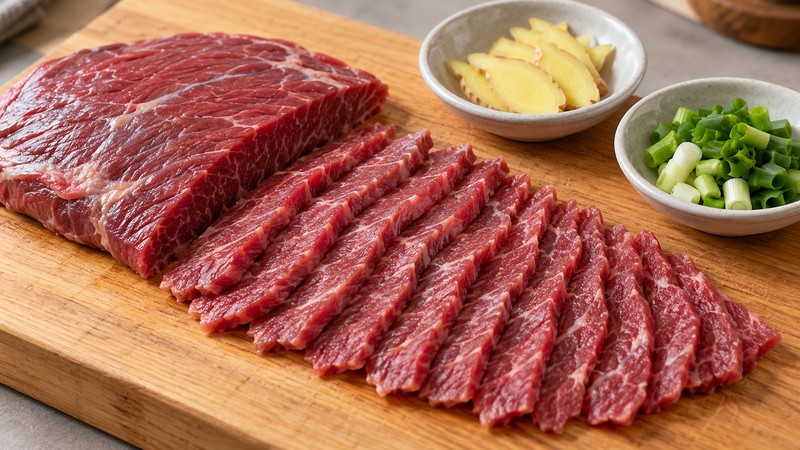
- 1 lb (450g) flank steak or sirloin, thinly sliced against the grain
- 2 tablespoons vegetable oil
- 1 egg white
- 2 tablespoons cornstarch
- 1 tablespoon baking soda (for velveting)
- ½ teaspoon white pepper
For the sauce:
- 3 tablespoons oyster sauce
- 1 tablespoon soy sauce
- 1 tablespoon Chinese cooking wine (Shaoxing wine)
- 1 teaspoon dark soy sauce (for color)
- 1 tablespoon sugar
- ½ teaspoon sesame oil
- 3 tablespoons water or beef broth
For the stir-fry:
- 4 cloves garlic, minced
- 2 inches fresh ginger, julienned
- 4 scallions, cut into 2-inch lengths
- 2-3 dried red chilies (optional)
- 2 tablespoons vegetable oil for wok cooking
Instructions:
- Prepare the beef: Begin by slicing the flank steak or sirloin against the grain into thin strips, approximately ¼ inch thick. This direction of cutting is crucial as it shortens the muscle fibers, ensuring a tender result after cooking.
- Velvet the beef: In a large bowl, combine the sliced beef with egg white, 1 tablespoon of vegetable oil, cornstarch, baking soda, and white pepper. Mix thoroughly until the beef is evenly coated. Let the mixture rest for 20-30 minutes at room temperature. The baking soda gently tenderizes the meat while the cornstarch creates a protective coating that locks in moisture.
- Prepare the sauce: While the beef rests, combine oyster sauce, soy sauce, Chinese cooking wine, dark soy sauce, sugar, sesame oil, and water (or beef broth) in a small bowl. Stir until the sugar dissolves completely. Set aside near your workstation for quick access during cooking.
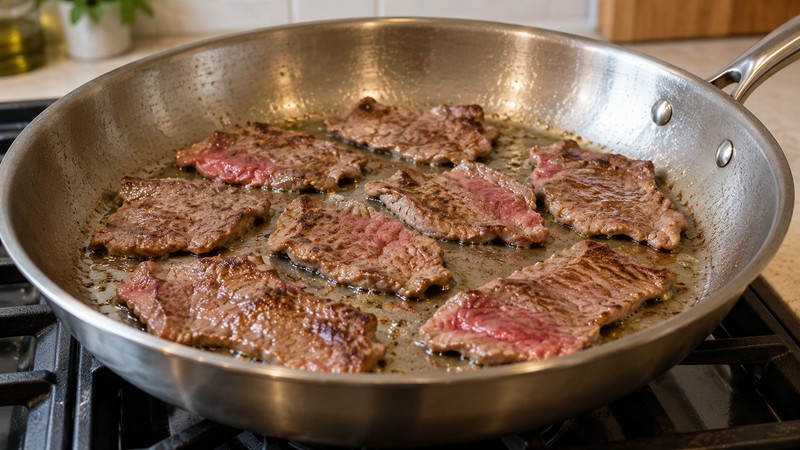
- Heat the wok: Place a wok or large skillet over high heat until it begins to smoke slightly. Add 2 tablespoons of vegetable oil and swirl to coat the surface. The wok must be extremely hot to achieve the characteristic sear and wok hei (breath of the wok) flavor.
- Blanch the beef: Add the velveted beef in a single layer and let it sear for 30-45 seconds without stirring. This allows the cornstarch coating to set and create a slight crust. Then, quickly toss and stir-fry for another 1-2 minutes until the beef is about 80% cooked through. Remove the beef from the wok and drain any excess liquid.
- Start the aromatics: In the same wok, add another tablespoon of oil if needed. Add the dried red chilies (if using) and stir-fry for 10 seconds until fragrant. Add the minced garlic and julienned ginger, stir-frying for 15-20 seconds until aromatic—do not let them burn.
- Return the beef: Add the partially cooked beef back to the wok and toss everything together for 30 seconds, allowing the beef to absorb the aromatics.
- Add the sauce: Pour the prepared sauce mixture around the edge of the wok, not directly onto the beef. This technique allows the sauce to heat through and caramelize slightly before mixing with the meat.
- Final toss and finish: Toss the beef and sauce together for 1-2 minutes until the sauce thickens and coats every piece of beef with a glossy, rich coating. The cornstarch in the sauce will thicken naturally as it reaches boiling point.
- Add scallions: Add the scallion pieces and give one final toss for 30 seconds. The scallions should remain slightly crisp, adding freshness and visual appeal to the dish.
- Check seasoning and serve: Taste and adjust seasoning if needed. The dish should have a balanced flavor—savory from oyster sauce, slightly sweet, with a hint of umami. Remove from heat immediately and serve hot over steamed white rice.
Cantonese Beef Variations
The world of Cantonese beef extends far beyond the classic oyster sauce preparation,
encompassing numerous regional variations that reflect local tastes, available ingredients, and cultural influences.
In Hong Kong, the former British colony, Cantonese beef often incorporates Western elements such as onions, mushrooms,
and even tomato sauce, creating fusion dishes that appeal to international palates.
The Hong Kong-style beef stir-fry frequently includes bell peppers and onions,
reflecting the influence of European cooking methods introduced during the colonial period.
These variations maintain traditional velveting techniques while expanding the flavor profile to include sweeter,
more complex notes.
On the Chinese mainland, particularly in Guangzhou and surrounding areas, Cantonese beef preparations tend to be more traditional,
emphasizing the pure flavors of quality beef paired with minimal but essential aromatics like ginger and scallion.
Steamed beef with ginger and black bean sauce represents a popular home-style variation,
where thin slices of beef are marinated in a savory mixture and steamed until just cooked through, resulting in an incredibly tender texture that melts in your mouth.
The braised beef brisket dish known as “ngau pak ke” in Cantonese has become a breakfast staple in many Hong Kong dai pai dongs (open-air food stalls), served over noodles or with rice.
Home cooks often adapt restaurant techniques based on available ingredients and equipment.
A common simplification involves skipping the velveting step and instead using a quick marination with cornstarch and soy sauce—a method that produces acceptable results with less time investment.
Similarly, substitutions like using regular soy sauce instead of Chinese varieties, or omitting the Shaoxing wine,
can make the dish more accessible while still capturing the essence of Cantonese beef.
The key is maintaining the balance of flavors and the quick, high-heat cooking method that characterizes authentic preparations.
Serving Cantonese Beef the Cantonese Way
Traditional presentation of Cantonese beef follows specific cultural protocols that enhance both the dining experience and the dish’s visual appeal.
In Cantonese cuisine, balance is paramount—a meal should include multiple textures, flavors, and colors working in harmony.
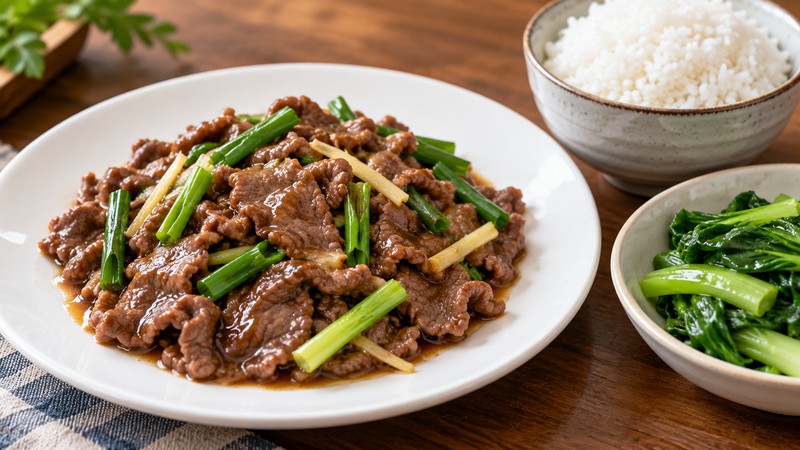
Cantonese beef, with its glossy brown coating and flecks of green from scallions and ginger,
provides visual interest when arranged on a plain white plate or in a traditional ceramic bowl.
The dish should be served immediately after cooking,
as the velveted coating loses its glossy sheen and the beef toughens as it sits.
Pairing Cantonese beef with appropriate accompaniments elevates the meal to a complete dining experience.
Steamed jasmine rice is the traditional choice,
its subtle fragrance and slightly sticky texture perfect for soaking up the rich sauce.
A clear soup, perhaps with winter melon or radish,
provides a light counterpoint to the savory beef and helps cleanse the palate between bites.
Simple stir-fried vegetables—such as bok choy with garlic or Chinese broccoli with oyster sauce—complete the meal,
adding freshness and nutritional balance that Cantonese cuisine consistently emphasizes.
Common mistakes to avoid when serving Cantonese beef include overcrowding the wok (which steams instead of sears the meat),
using low heat (resulting in tough, gray beef), and overcooking the sauce (causing it to become gummy and lose its shine).
Additionally, many home cooks make the error of adding sauce too early, before the beef has properly seared,
which prevents the development of proper wok hei flavor.
Presentation matters too—arrange the beef pieces with some sauce pooled at the bottom of the dish, garnished with fresh scallions,
to signal to diners that this is a dish meant to be savored.
Frequently Asked Questions
Quick Answer
Cantonese beef dishes rely on cut selection, slicing across the grain, brief marinating, high-heat timing, and balanced seasoning to keep the beef tender without masking its flavor.
Basic Facts
| Cuisine | Cantonese / Yue cuisine |
|---|---|
| Texture check | Thin slices cut across the grain |
| Cooking check | Short high-heat cooking |
| Common mistake | Crowding the pan and steaming the beef |
Evidence Note
Source: Britannica Chinese cuisine overview. Use the source for context and verify page-specific claims against the cited wording.
Related reading: Beef Cantonese style | Cantonese recipes
Data anchor: direct answer + four checked facts + evidence source + two internal references + stated limitation.
Is Cantonese beef difficult to make at home?
Not at all!
While professional Cantonese chefs spend years perfecting their wok technique,
home cooks can achieve excellent results with practice.
The key is preparation—having all ingredients measured and near the stove before you start cooking.
The velveting technique might seem unusual to beginners, but it genuinely makes a difference in texture.
Cantonese Beef Don’t be discouraged if your first attempt isn’t restaurant-perfect; each time you make it,
you’ll develop better instincts for heat control and timing.
Can I substitute ingredients if I don’t have everything on hand?
AAbsolutely.
While traditional recipes call for specific ingredients like Shaoxing wine and oyster sauce, you can make workable substitutions.
Dry sherry can replace Shaoxing wine, and soy sauce with a splash of Worcestershire sauce approximates oyster sauce’s flavor.
If you lack flank steak, ribeye or even Chuck roast works when sliced thin against the grain.
Cantonese Beef However, try to include the ginger and scallions—these are essential to the Cantonese character of the dish.
How should I store and reheat leftover Cantonese beef?
Store leftover Cantonese beef in an airtight container in the refrigerator for up to 3 days.
Reheat gently in a wok or skillet over medium-high heat with a splash of water or broth to loosen the sauce.
Avoid microwaving if possible, as it can make the beef rubbery.
The texture will never quite match fresh preparation, but properly reheated leftovers remain delicious.
What’s the difference between Cantonese beef and other Chinese beef dishes?
Cantonese beef differs from other regional preparations in several ways.
Sichuan beef uses Sichuan peppercorns and chili bean paste for numbing, spicy flavors.
Mongolian beef features a sweet, garlicky sauce with scallions. Hunan beef tends to be drier and spicier.
Cantonese beef prioritizes the natural flavor of beef enhanced by savory sauces like oyster sauce,
with velveting creating a distinctive tender texture not commonly found in other styles.
How do I achieve restaurant-quality wok hei at home?
AAchieving true wok hei (the smoky, complex flavor from extremely hot wok cooking) is challenging on home stoves,
which typically don’t get as hot as commercial wok burners.
You can maximize your results by using a carbon steel wok, heating it until it smokes, using an oil with a high smoke point,
and working in small batches.
While the results may not exactly match a professional kitchen,
these techniques will significantly improve your home-cooked Cantonese beef.
Is Cantonese beef considered healthy?
Cantonese beef can be part of a balanced diet when consumed in moderation.
The dish provides excellent protein, iron, and B vitamins from the beef, along with antioxidants from ginger and garlic.
However, the cooking method does involve some oil, and the sauce contains sodium from soy and oyster sauces.
For a healthier version, use less oil, reduce the sauce, and pair with plenty of steamed vegetables and rice.