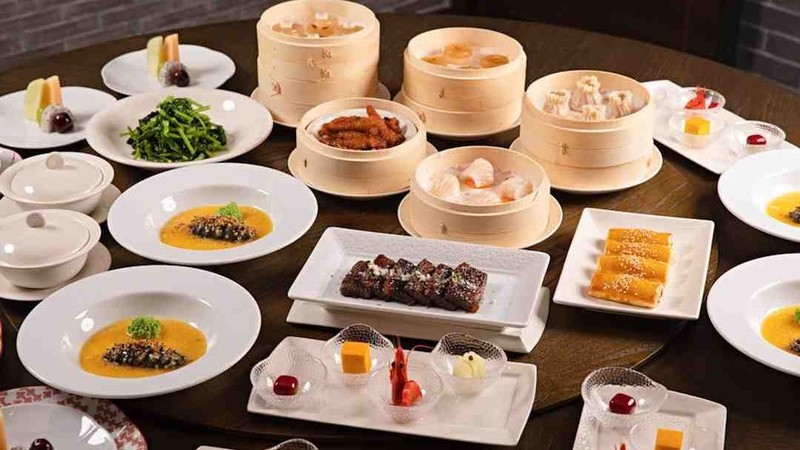
Cantonese brunch represents one of the most beloved weekend traditions in southern China and among Chinese communities worldwide.
Known locally as “zao tea” (早茶) or “yum cha” (飲茶), meaning “drinking tea,
” this leisurely meal combines exquisite bite-sized dishes with aromatic Chinese tea, creating a social experience that has endured for centuries.
Far more than simply a meal, Cantonese brunch embodies the heart of Cantonese culture—a celebration of family, friendship,
and the art of savoring life’s simple pleasures.
Whether you’re a newcomer to this culinary tradition or a seasoned yum cha enthusiast, understanding the history, techniques,
and cultural significance behind Cantonese brunch will deepen your appreciation for every dumpling and pastry placed before you.
The tradition of Cantonese brunch emerged from the teahouses of Guangdong Province in southern China,
where travelers and merchants would gather to drink tea and eat small snacks while conducting business or catching up with friends.
Over time, these humble gatherings evolved into a sophisticated culinary tradition featuring dozens of iconic dishes,
from silky har gow dumplings to fluffy char siu bao buns.
Today, authentic Cantonese brunch remains a cornerstone of Hong Kong and Guangdong culture,
with families gathering at dim sum parlors every weekend to reconnect, celebrate, and indulge in meticulously prepared small plates.
This beloved tradition has also spread globally,
winning the hearts and appetites of food lovers from New York to London to Sydney.
—
What Is Cantonese brunch?
Cantonese brunch, or “yum cha,” is a traditional meal combining various small dishes served alongside Chinese tea.
The term literally translates to “drink tea” in Cantonese,
though the focus has always equally balanced between the tea service and the accompanying food.
This meal typically occurs between 10 a.m. and 2 p.m.
on weekends and holidays, though many restaurants serve yum cha daily from early morning until mid-afternoon.
The origins of Cantonese brunch trace back to the Qing Dynasty (1644-1912),
when teahouses began appearing throughout Guangdong Province.
These establishments initially served primarily as rest stops for weary travelers along the Pearl River, offering tea,
simple rice congee, and light snacks.
As the economy of Guangdong flourished—particularly in the bustling port city of Guangzhou and later Hong Kong—these teahouses evolved into sophisticated dining establishments catering to merchants, officials, and families seeking a leisurely dining experience.
The concept of “dian xin” (點心), meaning “touching the heart” or “dessert,” emerged to describe the small,
exquisite dishes that accompanied the tea, eventually becoming synonymous with the entire brunch experience.
What makes Cantonese brunch distinctive within Chinese cuisine is its emphasis on variety, presentation, and technique.
A traditional dim sum spread might include steamed dumplings, baked buns, rice rolls, crispy fried items,
and sweet desserts—each requiring different cooking methods and showcasing the chef’s mastery.
The meal proceeds at a relaxed pace, with servers pushing carts through the dining room offering fresh,
hot dishes that diners can select or decline.
This communal, interactive dining experience fosters conversation and connection,
making Cantonese brunch as much about social bonding as it is about food.
—

Authentic Cantonese Brunch Recipe
Creating an authentic Cantonese brunch at home allows you to experience the magic of yum cha without leaving your kitchen. While restaurant-quality dim sum requires years of training, several classic dishes can be successfully replicated with patience and attention to technique.
Ingredients
For Har Gow (Shrimp Dumplings) – Makes 24 dumplings:
- 200 grams tiger prawns,
peeled and deveined
- 50 grams bamboo shoots, finely minced
- 1 teaspoon sesame oil
- ½ teaspoon white pepper
- ¼ teaspoon salt
- 1 tablespoon cornstarch
- 100 grams wheat starch
- 50 grams tapioca starch
- 150ml boiling water
- 1 tablespoon vegetable oil
For Char Siu Bao (BBQ Pork Buns) – Makes 12 buns:
- 300 grams all-purpose flour
- 5 grams instant yeast
- 30 grams sugar
- 150ml warm milk
- 20 grams butter, softened
- 200 grams char siu (Chinese BBQ pork), diced
- 2 tablespoons hoisin sauce
- 1 tablespoon oyster sauce
- 1 teaspoon sesame oil
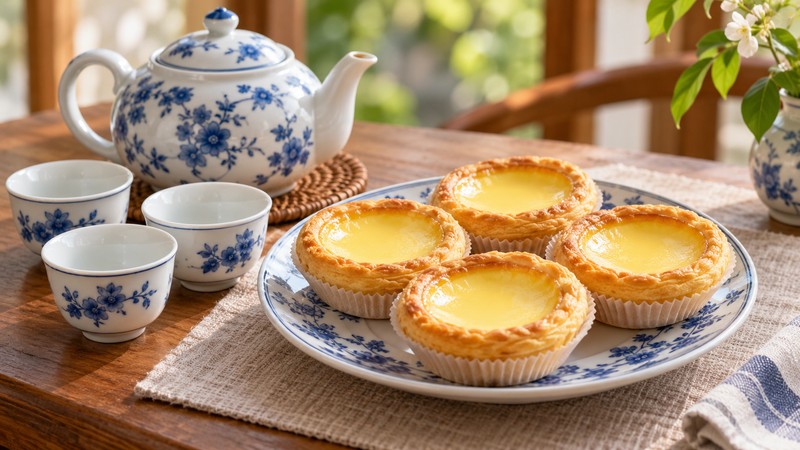
For Egg Tarts – Makes 12 tarts:
- 200 grams all-purpose flour
- 100 grams butter, cold and cubed
- 50 grams powdered sugar
- 1 egg yolk
- 3 eggs
- 100 grams caster sugar
- 200ml boiling water
- 100ml evaporated milk
- 1 teaspoon vanilla extract
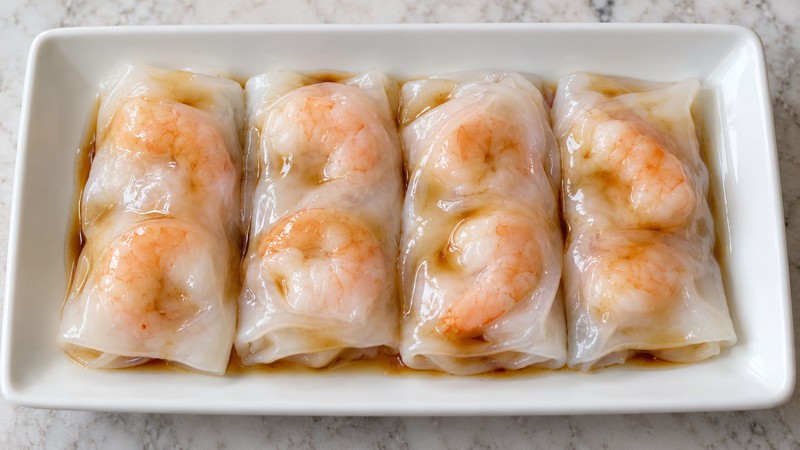
For Steamed Rice Rolls (Cheung Fun):
- 200 grams rice flour
- 50 grams cornstarch
- 500ml water
- ½ teaspoon salt
- 200 grams shrimp or pork for filling
- 2 tablespoons light soy sauce
- 1 tablespoon sesame oil
- 1 tablespoon sweet soy sauce (kecap manis)
Instructions
Preparing Har Gow:
- Prepare the filling: Combine the prawns, bamboo shoots, sesame oil, white pepper, salt, and cornstarch in a bowl. Mix gently with your hands until the mixture becomes slightly sticky. Cantonese Brunch Refrigerate for 30 minutes.
- Make the wrapper dough: Place wheat starch and tapioca starch in a large bowl. Pour boiling water over the starch mixture, stirring quickly with chopsticks until a ragged dough forms. Add vegetable oil and knead for 5 minutes until smooth and elastic. Cantonese Brunch Cover with a damp cloth.
- Shape the dumplings: Divide the dough into 24 equal portions. Cantonese Brunch Flatten each portion into a thin circle (about 3 inches diameter) using your palm or a rolling pin.
- Fill and pleat: Place 1 teaspoon of shrimp filling in the center of each wrapper. Pleat the edges upward and around the filling, creating the characteristic Har Gow fold. Cantonese Brunch Press the top to seal and create the signature “basket weave” pattern on top.
- Steam to perfection: Place dumplings on parchment-lined steaming baskets. Steam over high boiling water for exactly 6-7 minutes until the wrapper becomes translucent. Cantonese Brunch The interior should be firm but juicy.
Preparing Char Siu Bao:
- Make the dough: Combine flour, yeast, and sugar in a stand mixer. Add warm milk and mix on low speed. Add butter and knead for 8-10 minutes until smooth and elastic. Cantonese Brunch Let rise in a warm place for 1 hour until doubled.
- Prepare the filling: Toss the diced char siu with hoisin sauce, oyster sauce, and sesame oil. Cantonese Brunch Set aside.
- Shape the buns: Punch down the dough and divide into 12 portions. Flatten each portion into a circle, leaving the center slightly thicker. Cantonese Brunch Place 2 tablespoons of filling in the center.
- Pleat and twist: Gather the edges of the dough up and around the filling, pleating as you go. Cantonese Brunch Twist the top to seal, creating the characteristic “flower” shape on top.
- Final rise and steam: Place buns on parchment-lined steaming baskets. Let rest for 15 minutes, then steam for 12-15 minutes. Cantonese Brunch Brush immediately with melted butter for a glossy finish.
Preparing Egg Tarts:
- Make the pastry: Rub cold butter into flour and powdered sugar until it resembles coarse crumbs. Add egg yolk and mix until a dough forms. Cantonese Brunch Chill for 30 minutes.
- Line the tart shells: Roll out the pastry and cut into circles to fit a 12-hole muffin tin. Cantonese Brunch Press gently into the molds, pricking the base with a fork.
- Make the custard: Dissolve caster sugar in boiling water, then let cool. Whisk in eggs, evaporated milk, and vanilla. Cantonese Brunch Strain through a fine sieve for silky texture.
- Bake: Pour custard into tart shells. Bake at 200°C (400°F) for 15-18 minutes until the custard is set but still jiggly in the center. Cantonese Brunch The edges should be golden brown.
Preparing Rice Rolls:
- Make the batter: Whisk rice flour, cornstarch, water, and salt until smooth. Cantonese Brunch The consistency should be like heavy cream.
- Steam the rolls: Heat a large steamer. Grease a shallow rectangular pan or large plate. Pour a thin layer of batter (about 3mm thick). Cantonese Brunch Steam for 2-3 minutes until the rice sheet is translucent and set.
- Fill and roll: Place filling (blanched shrimp or seasoned pork) on one end of the rice sheet. Roll up tightly using the pan to help guide the roll. Cantonese Brunch Cut into 2-inch pieces.
- Make the sauce: Combine light soy sauce, sesame oil, and sweet soy sauce. Cantonese Brunch Drizzle over the rice rolls and serve immediately.
—
Cantonese Brunch Variations
While Hong Kong-style dim sum represents the most internationally recognized version of Cantonese brunch, significant regional and contextual variations exist that reflect the diversity of Cantonese culinary tradition.
Hong Kong vs.
Mainland Guangdong Style: Hong Kong dim sum tends to be more elaborate and refined,
reflecting the city’s status as a global culinary capital.
Hong Kong chefs often create more intricate pleating, experiment with fusion ingredients,
and maintain stricter standards of freshness and presentation.
Meanwhile, mainland Guangdong restaurants—particularly in Guangzhou—often serve more traditional,
rustic dishes with bolder flavors and larger portions.
Cantonese Brunch The teahouse culture remains more intact in Guangzhou,
where locals still gather primarily for the social experience rather than the food spectacle.
Home Version vs.
Restaurant: Authentic Cantonese families often prepare simplified versions of yum cha at home,
focusing on 2-3 dishes rather than the dozens available at restaurants.
Home cooks typically make steamed rice congee, simple egg tarts,
or quick pan-fried dishes rather than labor-intensive dumplings requiring advanced pleating skills.
Cantonese Brunch Weekend brunch at home might feature instant pot steamed eggs, leftover roasted meat,
and quick pickled vegetables—practical adaptations rather than restaurant recreations.
Common Variations: Regional variations include the popularity of rice dishes in some areas,
while others emphasize noodle-based dim sum.
Northern influences have introduced scallion pancakes and fried dough sticks (youtiao) to some Cantonese brunch menus.
Modern interpretations might include truffle-infused dumplings or matcha-flavored egg tarts,
though traditional purists often frown upon these innovations.
—
Serving Cantonese Brunch the Cantonese Way
Presentation and serving etiquette are essential to the authentic Cantonese brunch experience. Understanding these traditions transforms a simple meal into a cultural immersion.
Tea Service: Tea is the foundation of yum cha.
Servers typically ask guests which tea they prefer—Pu-erh (aged dark tea), Chrysanthemum (cooling herbal tea),
Iron Goddess (Oolong), orjasmine.
The first pour is always a “rim wash”—pouring tea and immediately discarding it to clean the cups.
Cantonese Brunch When pouring tea for others, tap two fingers on the table as a gesture of gratitude.
Dining Sequence: Traditional Cantonese brunch proceeds in a specific order: tea arrives first, followed by steamed dishes (the lightest), then fried items (for texture contrast), then rice or noodle dishes, and finally sweet desserts. This progression ensures flavors build upon each other rather than overwhelming the palate.
Common Mistakes to Avoid: Never stick chopsticks vertically in rice—this resembles funeral incense.
Don’t rush through the meal—yum cha is deliberately slow. Avoid mixing soy sauce and chili oil in the same dipping dish.
Cantonese Brunch Never refuse tea when offered, as this is considered impolite.
—

Frequently Asked Questions
Quick Answer
Cantonese brunch commonly centers on dim sum, tea, shared small plates, and a leisurely social meal; the exact dishes vary by restaurant, region, season, and family preference.
Basic Facts
| Meal pattern | Tea plus shared small dishes |
|---|---|
| Common context | Late morning family or social meal |
| Variation | Menus differ by region and venue |
| Common mistake | Assuming every dim sum item is traditional everywhere |
Evidence Note
Source: Britannica Chinese cuisine overview. Use the source for context and verify page-specific claims against the cited wording.
Related reading: Cantonese recipes | Cantonese dim sum
Data anchor: direct answer + four checked facts + evidence source + two internal references + stated limitation.
Is making Cantonese brunch at home difficult?
Making simple Cantonese brunch dishes at home is accessible for intermediate home cooks.
Dishes like egg tarts, simple steamed rice rolls,
and even basic dumplings with store-bought wrappers can be successfully completed in a home kitchen.
However, achieving restaurant-quality pleated dumplings with perfectly translucent wrappers requires significant practice and technique mastery.
Start with easier recipes and gradually build your skills.
What are the best ingredient substitutions if I can’t find authentic ingredients?
If you can’t find specific Cantonese ingredients, several substitutions work well.
Substitute regular pork for char siu, using a mixture of soy sauce, hoisin, and five-spice to approximate the flavor.
Fresh shrimp can replace tiger prawns.
For wheat starch, potato starch or tapioca starch provide similar results, though the texture will differ slightly.
For Chinese broccoli (gai lan), regular broccoli stems work in a pinch.
Cantonese Brunch The key is adjusting seasonings to taste rather than following recipes exactly.
How do I store leftover dim sum?
Proper storage maintains quality for later enjoyment.
Steamed dishes freeze remarkably well—place cooled dim sum on a baking sheet, freeze until solid,
then transfer to freezer bags for up to 2 months. Reheat directly from frozen in a steamer for 8-10 minutes.
Fried items should be refrigerated and consumed within 2 days; reheat in a 180°C (350°F) oven for 10 minutes to restore crispness.
Cantonese Brunch Egg tarts keep refrigerated for 3 days but lose their flaky pastry texture.
What’s the difference between authentic and simplified Cantonese brunch?
uthentic Cantonese brunch emphasizes traditional techniques—hand-pleated dumpling wrappers, double-steaming for silky textures,
and complex flavor layering.
Simplified versions often use shortcut ingredients like pre-made wrappers, condensed soups for sauce bases,
and abbreviated cooking methods.
Both can be delicious, though simplified versions typically sacrifice textural complexity and authentic flavor depth.
For a meaningful experience, try making at least one element from scratch, even if using shortcuts for others.
Can I make a vegetarian version of Cantonese brunch?
bsolutely! Vegetarian dim sum is increasingly popular in Guangdong and throughout Chinese communities.
Classic vegetarian options include lotus leaf rice, steamed vegetable dumplings filled with cabbage and mushrooms,
tofu skin rolls, and sweet red bean pastries. Replace meat fillings with shredded mushrooms, bamboo shoots, and chives.
Cantonese Brunch Many traditional dishes like egg tarts and steamed rice rolls translate easily to vegetarian versions.
What tea pairs best with Cantonese brunch?
The tea choice depends on both personal preference and the dishes being served.
Light, floral Jasmine tea complements delicate steamed dumplings beautifully.
Pu-erh, with its earthy depth, stands up to richer fried items and fatty char siu.
Chrysanthemum tea offers a cooling, refreshing option for spicy or heavily seasoned dishes.
Cantonese Brunch For a traditional experience, serve a variety so guests can choose their preferred pairing.
— Cantonese brunch represents far more than a meal—it’s a living tradition connecting millions to their cultural heritage,
a weekly ritual that strengthens family bonds, and a culinary art form refined over centuries.
Whether you enjoy it at a bustling Hong Kong teahouse or recreate it in your own kitchen, understanding the history, technique,
and cultural significance behind each dish deepens your appreciation for this extraordinary cuisine.
So brew a pot of good tea, gather your loved ones, and embark on your own yum cha journey.
{ “@context”: “https://schema.org”, “@type”: “FAQPage”, “mainEntity”: [ { “@type”: “Question”, “name”: “Is making Cantonese brunch at home difficult?”, “acceptedAnswer”: { “@type”: “Answer”, “text”: “Making simple Cantonese brunch dishes at home is accessible for intermediate home cooks. Dishes like egg tarts, simple steamed rice rolls, and even basic dumplings with store-bought wrappers can be successfully completed in a home kitchen. However, achieving restaurant-quality pleated dumplings with perfectly translucent wrappers requires significant practice and technique mastery. Start with easier recipes and gradually build your skills.” } }, { “@type”: “Question”, “name”: “What are the best ingredient substitutions if I can’t find authentic ingredients?”, “acceptedAnswer”: { “@type”: “Answer”, “text”: “If you can’t find specific Cantonese ingredients, several substitutions work well. Substitute regular pork for char siu, using a mixture of soy sauce, hoisin, and five-spice to approximate the flavor. Fresh shrimp can replace tiger prawns. For wheat starch, potato starch or tapioca starch provide similar results, though the texture will differ slightly. For Chinese broccoli (gai lan), regular broccoli stems work in a pinch. Cantonese Brunch The key is adjusting seasonings to taste rather than following recipes exactly.” } }, { “@type”: “Question”, “name”: “How do I store leftover dim sum?”, “acceptedAnswer”: { “@type”: “Answer”, “text”: “Proper storage maintains quality for later enjoyment. Steamed dishes freeze remarkably wellu2014place cooled dim sum on a baking sheet, freeze until solid, then transfer to freezer bags for up to 2 months. Reheat directly from frozen in a steamer for 8-10 minutes. Fried items should be refrigerated and consumed within 2 days; reheat in a 180u00b0C (350u00b0F) oven for 10 minutes to restore crispness. Cantonese Brunch Egg tarts keep refrigerated for 3 days but lose their flaky pastry texture.” } }, { “@type”: “Question”, “name”: “What’s the difference between authentic and simplified Cantonese brunch?”, “acceptedAnswer”: { “@type”: “Answer”, “text”: “uthentic Cantonese brunch emphasizes traditional techniquesu2014hand-pleated dumpling wrappers, double-steaming for silky textures, and complex flavor layering. Simplified versions often use shortcut ingredients like pre-made wrappers, condensed soups for sauce bases, and abbreviated cooking methods. Both can be delicious, though simplified versions typically sacrifice textural complexity and authentic flavor depth. For a meaningful experience, try making at least one element from scratch, even if using shortcuts for others.” } }, { “@type”: “Question”, “name”: “Can I make a vegetarian version of Cantonese brunch?”, “acceptedAnswer”: { “@type”: “Answer”, “text”: “bsolutely! Vegetarian dim sum is increasingly popular in Guangdong and throughout Chinese communities. Classic vegetarian options include lotus leaf rice, steamed vegetable dumplings filled with cabbage and mushrooms, tofu skin rolls, and sweet red bean pastries. Replace meat fillings with shredded mushrooms, bamboo shoots, and chives. Cantonese Brunch Many traditional dishes like egg tarts and steamed rice rolls translate easily to vegetarian versions.” } }, { “@type”: “Question”, “name”: “What tea pairs best with Cantonese brunch?”, “acceptedAnswer”: { “@type”: “Answer”, “text”: “The tea choice depends on both personal preference and the dishes being served. Light, floral Jasmine tea complements delicate steamed dumplings beautifully. Pu-erh, with its earthy depth, stands up to richer fried items and fatty char siu. Chrysanthemum tea offers a cooling, refreshing option for spicy or heavily seasoned dishes. Cantonese Brunch For a traditional experience, serve a variety so guests can choose their preferred pairing. — Cantonese brunch represents far more than a mealu2014it’s a living tradition connecting millions to their cultural heritage, a weekly ritual that strengthens family bonds, and a culinary art form refined over centuries. Whether you enjoy it at a bustling Hong Kong teahouse or recreate it in your own kitchen, understanding the history, technique, and cultural significance behind each dish deepens your appreciation for this extraordinary cuisine. So brew a pot of good tea, gather your loved ones, and embark on your own yum cha journey.” } } ] }