Hong Kong food cantonese dish close up

Hong Kong food costs between HK$80–HK$280 per serving in mid-tier Cantonese restaurants in Hong Kong, but you can make a classic home-style wonton noodle dish for under HK$50 total, with a cooking time of just 45 minutes including prep. What sets Hong Kong food apart is its unique blend of centuries-old Cantonese culinary traditions and the city’s status as a global port and former British colony, creating a cuisine that is both deeply rooted in regional Chinese identity and accessible to audiences worldwide.

For over a century, Hong Kong has served as a hub for Cantonese diaspora, exporting its food to every corner of the globe, making it the most recognizable form of Cantonese cuisine beyond mainland China.

What Is Hong Kong food?

Hong Kong food is a distinct subset of Cantonese cuisine, shaped by the city’s dynamic history as a crossroads of East and West. It emerged in the mid-19th century, when waves of Guangdong immigrants settled in Hong Kong, bringing their home cooking and adapting it to the city’s diverse population, colonial influences, and limited natural resources.

Unlike mainland Cantonese food, which remains tied to rural and urban Guangdong traditions, Hong Kong food evolved to prioritize convenience, bold yet balanced flavors, and accessibility—all while retaining the core Cantonese value of xian (freshness), which means letting high-quality ingredients shine without heavy masking sauces.

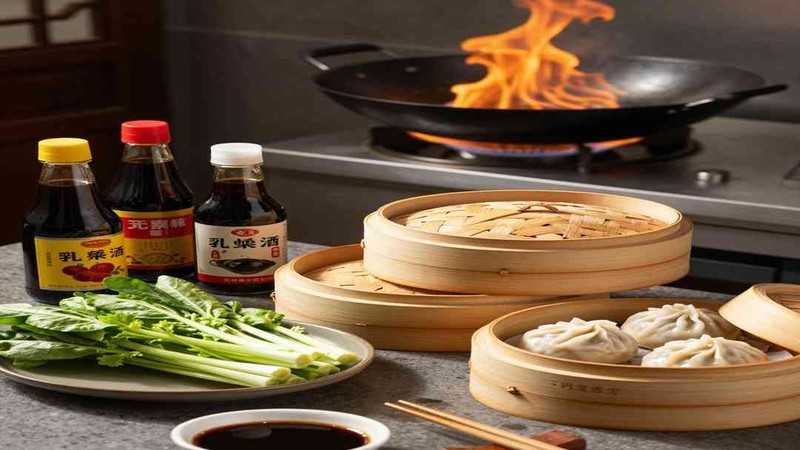
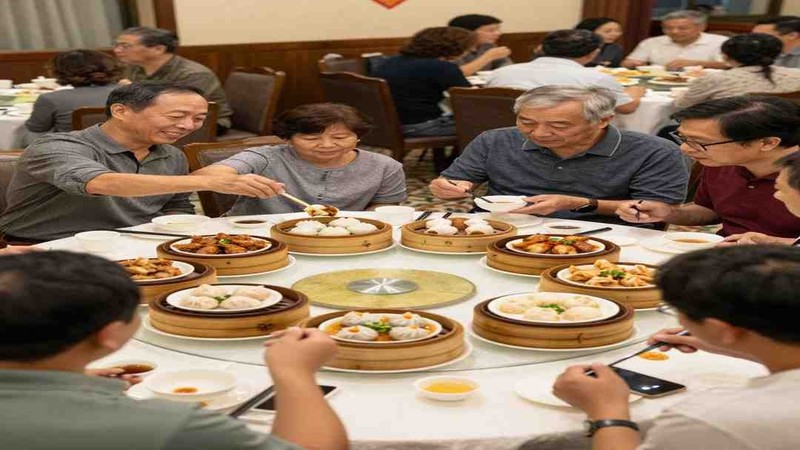
Culturally, Hong Kong food is more than sustenance; it’s a social glue that binds communities. Dim sum brunch, a weekly ritual for many families, involves gathering at teahouses to share small, bite-sized plates paired with hot tea, a tradition that originated in Hong Kong’s early 20th-century teahouses that catered to working-class laborers needing quick, filling meals.

Siu mei (roast meat) shops are neighborhood institutions, serving glossy roast pork, duck, and goose glazed with a sweet-savory sauce unique to Hong Kong, while cha chaan teng (Hong Kong-style cafes) offer affordable, quick dishes ranging from milk tea to Western-inspired spaghetti bolognese, a quirky colonial-era adaptation that’s now a staple of local cuisine.

Globally, Hong Kong food acts as the gateway to Cantonese cuisine, with restaurants in New York, London, and Singapore replicating its signature dishes to meet demand. This diaspora adaptation has also led to subtle variations, but the core principles—freshness, balance, and approachability—remain intact, making Hong Kong food beloved by both long-time Cantonese diners and new audiences.

Hong Kong food concepts

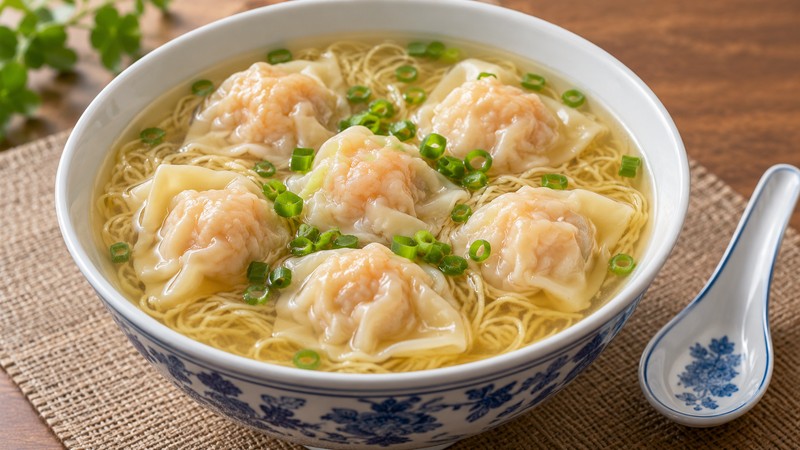
Authentic Hong Kong food Recipe: Wonton Noodle Soup

This recipe is a perfect example of authentic Hong Kong home cooking, balancing simplicity with the depth that defines the city’s cuisine. Hong Kong Food The key to its success lies in fresh ingredients and traditional Cantonese techniques that prioritize texture and flavor over complexity.

Ingredients

For the wonton filling:

  • 200g large fresh shrimp (peeled, deveined, tail intact for presentation)
  • 100g lean ground pork
  • 1 tsp grated fresh ginger
  • 1 tbsp light soy sauce
  • 1 tsp toasted sesame oil
  • ½ tsp white pepper
  • 1 tsp cornstarch

For the soup base:

  • 1 tbsp fish sauce
  • 1 tsp crushed rock sugar
  • 1 tsp fine sea salt

For serving:

  • 200g fresh Hong Kong-style thin egg noodles
  • 1 tsp sesame oil (for tossing noodles)

Step-by-Step Instructions

  • Prepare the wonton filling: In a large bowl, combine shrimp, ground pork, grated ginger, light soy sauce, sesame oil, white pepper, and cornstarch. Hong Kong Food Stir vigorously in one direction for 2–3 minutes—this is a classic Cantonese technique that develops a sticky, bouncy texture essential for authentic wontons.
  • Assemble the wontons: Place 1 teaspoon of filling in the center of each wonton wrapper. Moisten the wrapper edges with water, fold diagonally into a triangle, press out air bubbles, then bring the two bottom corners together to seal, creating a classic wonton shape.
  • Hong Kong Food Repeat until all filling is used.
  • Simmer the soup base: Bring chicken stock to a gentle simmer (avoid boiling vigorously, which clouds the stock) in a medium pot. Hong Kong Food Add shiitakes, carrot, rock sugar, and fish sauce, then simmer for 10 minutes to meld flavors.
  • Cook the noodles: Bring a separate pot of water to a rolling boil. Add Hong Kong-style egg noodles and cook exactly 2 minutes—Hong Kong noodles are meant to be al dente, not mushy, so don’t overcook.
  • Hong Kong Food Drain and rinse briefly with hot water to remove excess starch.
  • Blanch the bok choy: In the same boiling water, add bok choy and cook for 30 seconds, until bright green and tender-crisp. Hong Kong Food Remove and set aside.
  • Cook the wontons: Bring a small pot of water to a gentle boil. Hong Kong Food Add wontons and cook for 3 minutes—they float when done, then cook 1 more minute to ensure the filling is hot.
  • Assemble the dish: Toss cooked noodles with 1 teaspoon sesame oil to prevent sticking. Hong Kong Food Divide between two bowls, top each with 10 wontons, bok choy, and carrot slices.
  • Serve immediately: Ladle hot soup over the noodles and wontons, distributing shiitakes evenly. Hong Kong Food Serve while hot to preserve texture.

Hong Kong food Variations

Hong Kong food’s adaptability is one of its greatest strengths, leading to distinct variations across contexts and regions. A key contrast exists between Hong Kong-style dishes and their mainland Cantonese counterparts.

For example, traditional Guangdong siu mei uses a saltier marinade for roast pork, while Hong Kong’s version adds honey and five-spice to create a glossy, sweet-savory glaze that’s become iconic. Cha chaan teng, the casual Hong Kong cafe model, is unique to the city—these spots serve Western-inspired dishes like French toast with condensed milk and instant noodles with ham, which are rarely found in mainland Cantonese restaurants.

Home cooking vs. restaurant versions also differ: home cooks often use pre-made stock for quick meals, while high-end restaurants simmer stock for 12+ hours with bones and dried seafood for deep umami.

Within Hong Kong food, variations cater to diverse tastes and dietary needs. Wonton noodles can be customized with chili oil, pickled mustard greens, or extra shrimp for richness, while global diaspora versions often swap traditional ingredients for accessibility: vegan versions use tofu and mushroom filling, and wheat noodles replace egg noodles for those with allergies.

Some Southeast Asian Chinese communities add youtiao (fried dough sticks) to congee, a variation that’s less common in Hong Kong but beloved for its crunchy texture. Even high-end Hong Kong restaurants now offer fusion dishes like lobster dim sum, blending traditional techniques with premium ingredients to appeal to modern diners.

Serving Hong Kong food the Cantonese Way

Cantonese serving etiquette for Hong Kong food emphasizes balance, freshness, and communal enjoyment, rooted in the city’s teahouse and cha chaan teng traditions. For noodle dishes like wonton soup, serving immediately is critical—hot soup preserves the noodles’ chew and wontons’ texture, and lukewarm dishes are considered a sign of poor preparation.

Pairing is equally important: Hong Kong milk tea, a strong creamy black tea brewed with evaporated milk, cuts through the richness of roast meats or fried items, making it the classic beverage for casual meals. For dim sum, hot tea like pu-erh or chrysanthemum tea is served to cleanse the palate between bites, a tradition that dates back to Guangzhou’s ancient teahouses.

Presentation tips for serving Hong Kong food focus on highlighting individual ingredients rather than overcrowding the bowl. Avoid piling too many wontons or vegetables into one dish, as this masks the flavors of fresh components.

Common mistakes to avoid include overcooking noodles (the al dente texture is non-negotiable), using frozen shrimp (which makes wonton filling rubbery), and over-salting the soup base—rock sugar is used to balance salt, not add sweetness, so use it sparingly. For dim sum, don’t stack plates, as this can make dumplings soggy; instead, arrange them neatly on small bamboo steamers or plates for each diner.

Hong Kong food effectively

FAQs

  • Q: Is authentic Hong Kong food difficult to make at home?

A: Not at all! Most classic Hong Kong dishes, like wonton noodle soup, have simple steps, and specialized ingredients (fresh shrimp, Hong Kong egg noodles) are available at most Asian grocery stores.

Hong Kong Food The only trick is stirring the wonton filling vigorously to get that bouncy texture.

  • Q: Can I substitute ingredients if I can’t find Hong Kong egg noodles?

A: Yes! Fresh thin Chinese egg noodles work perfectly, or even dried thin spaghetti as a backup.

Hong Kong Food The texture will be slightly different, but the dish will still taste like a delicious Hong Kong-style meal—just avoid thick noodles, which won’t pair well with the light wonton filling.

  • Q: How do I store leftover wontons, and can I freeze them?

A: Absolutely! Arrange assembled wontons in a single layer on a parchment-lined baking sheet, freeze for 2 hours, then transfer to a zip-top bag.

They keep for up to 1 month. Hong Kong Food Cook directly from frozen, adding 1–2 minutes to the boiling time.

  • Q: What’s the difference between Hong Kong dim sum and dim sum from mainland Guangzhou?

A: Hong Kong dim sum has a more modern, accessible twist: har gow (shrimp dumplings) have thinner, more translucent wrappers, and cha siu bao (pork buns) are sweeter with softer dough. Hong Kong Food Hong Kong dim sum also offers fusion options like matcha custard buns, which are rare in traditional Guangzhou teahouses.

  • Q: Are most Hong Kong dishes spicy?

A: No! Classic Hong Kong food is not spicy at all—Cantonese cuisine prioritizes fresh flavors over heat.

Most restaurants have chili oil or pickled chili on the side for diners who want spice, but it’s never part of the traditional recipe. Any spicy Hong Kong dish you see is likely a modern fusion variation.

  • Q: How important is freshness to authentic Hong Kong cooking?

A: It’s the foundation. Cantonese chefs believe high-quality fresh ingredients don’t need heavy sauces to shine—for example, shrimp in wontons should be slightly sweet, and chicken stock is simmered for hours to extract natural umami.

Hong Kong Food Many Hong Kong families shop for ingredients daily to ensure peak freshness.

Hong Kong food skills

Guangdong Cuisine Yue Cuisine Cantonese Food Wikipedia

Frequently Asked Questions

What is the significance of Hong Kong food in Cantonese cuisine?

Hong Kong food is a cornerstone of Cantonese cuisine, representing its refinement and diversity. Known as the “Food Paradise,” Hong Kong has preserved traditional Cantonese cooking techniques while developing its own unique style, influenced by British, Japanese, and other international flavors. It emphasizes freshness, flavor, and presentation, making it one of the most celebrated regional cuisines in Chinese gastronomy.

How is Hong Kong food traditionally prepared?

Traditional Hong Kong food is prepared using classic Cantonese techniques such as steaming, stir-frying, braising, roasting, and double boiling. Dishes are cooked quickly over high heat to preserve the natural flavors and textures of ingredients. Wok hei (breath of the wok) is highly valued, and sauces are often added at the end to enhance rather than mask the original taste of the food.

What ingredients are essential for Hong Kong food?

Essential ingredients in Hong Kong food include fresh seafood (fish, shrimp, crab), premium soy sauce, oyster sauce, sesame oil, ginger, garlic, scallions, and Shaoxing wine. Rice is the staple carbohydrate, accompanied by seasonal vegetables like bok choy, choy sum, and snow peas. Char siu (barbecued pork), roast duck, and various offal are also commonly used.

What are the health benefits of Hong Kong food?

Hong Kong food offers several health benefits due to its emphasis on fresh ingredients and cooking methods that preserve nutrients. Steaming and stir-frying retain more vitamins than deep-frying. The abundant seafood provides omega-3 fatty acids and protein, while vegetables offer fiber, vitamins, and antioxidants. The lighter use of oil compared to other Chinese regional cuisines makes it a relatively healthy dining option.

What are common mistakes when making Hong Kong food?

Common mistakes include overcrowding the wok (which steams instead of stir-frying), not having the wok hot enough, overcooking vegetables (losing their crunch), using low-quality or expired soy sauce, adding sauce too early (causing it to burn), and not preparing all ingredients before cooking (as the process is very quick). Additionally, many beginners use too much oil or fail to balance the


Tags: Hong Kong food

Powered by Shanyue Group | Contact: contact@shanyuegroup.com

About | Contact | Privacy Policy

© 2026 Shanyue Group • All Rights Reserved