If you’ve ever ordered beef chow fun noodle at a Cantonese dim sum spot in New York or Toronto, you know the magic: wide, chewy rice noodles tossed with tender beef, crisp bean sprouts, and a subtle soy sauce glaze that’s not too salty or heavy. But when you try to replicate it at home, you might end up with sticky noodles, overcooked beef, or a greasy mess—common mistakes that keep many home cooks from nailing this classic dish.
Quick Answer
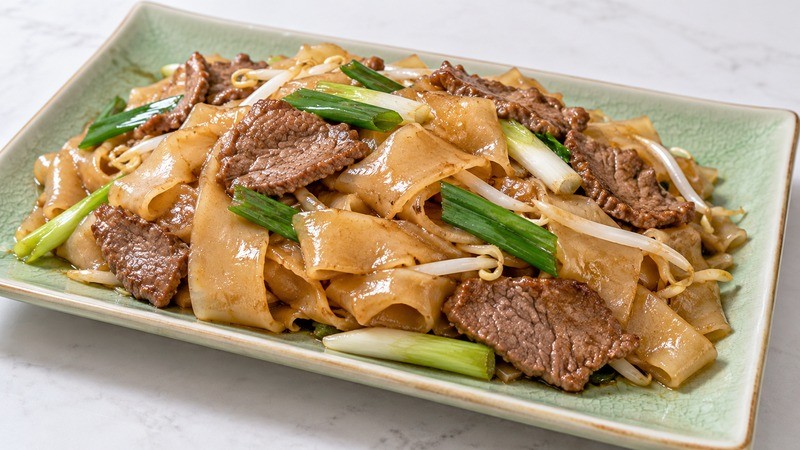
Beef chow fun is a Cantonese noodle dish built around wide rice noodles, tender beef, high heat, and wok aroma. The key is not just the sauce, but the timing that keeps the noodles separate and lightly smoky.
Basic Facts
| Dish | Beef chow fun / beef ho fun |
|---|---|
| Cuisine | Cantonese cuisine |
| Best for | Readers learning wok-style Cantonese noodle cooking |
| Common mistake | Over-stirring the rice noodles until they break or clump |
Practice note
Beef chow fun varies by restaurant and home kitchen. The practical standard is tender beef, separated noodles, balanced seasoning, and enough wok heat to create aroma without burning the sauce. Source: Beef chow fun background.
Related reading: Chow Fun Ingredient Guide Beef Cantonese style
Today, we’ll break down exactly how to make authentic beef chow fun noodle, including key ingredients, techniques to avoid pitfalls, and tips to get that restaurant-worthy texture every time.
What Makes Authentic Beef Chow Fun Noodle Different?
Unlike other fried noodle dishes that lean into crispy textures or heavy, tangy sauces, beef chow fun noodle prioritizes balance: chewy, slightly springy noodles, melt-in-your-mouth beef, and fresh crunch from bean sprouts, all tied together with a light, umami-rich sauce. It’s a staple of Cantonese street food and dim sum menus alike, often served as a quick, satisfying meal.
The dish’s signature comes from two things: the quality of the ho fun (wide rice noodles) and the high-heat stir-fry that gives it a subtle smoky note called wok hei—something that’s hard to replicate at home but achievable with the right steps. This isn’t a dish meant to be heavy or greasy; it’s about highlighting the natural flavors of each ingredient.
Key Ingredients You Need
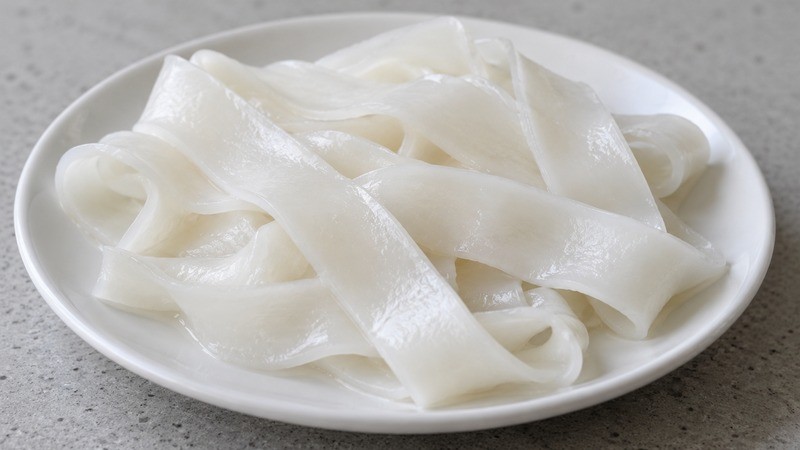
To make beef chow fun noodle that matches restaurant quality, you’ll need specific ingredients that prioritize texture and balance. First, the noodles: fresh ho fun is ideal, as it has a soft, chewy texture that holds up well to stir-frying without breaking.
Dried wide rice noodles are a fallback with a different texture. Prepare them according to the package rather than a universal 25-minute soak. Thin rice vermicelli and rice noodle rolls are not substitutes for ho fun ribbons.
For the beef: Choose a cut with a bit of marbling, like sirloin or flank steak, and freeze it for 15 minutes first to make slicing thin against the grain easier. Slicing against the grain ensures the beef stays tender, not chewy.
For a suggested two-to-three-serving batch, start with 450-500 g fresh ho fun, 250 g thin beef slices, 1 cup sprouts and 2 scallions. The existing garlic, ginger, 1 tbsp light soy, 1 tsp dark soy and optional 1 tsp oyster sauce are a light seasoning approach, not a verified tested formula. See our ingredient checklist.
Step-by-Step Cooking Technique
The key to perfect beef chow fun noodle lies in the high-heat stir-fry and careful timing. Follow these steps for consistent results:
- Marinate the beef: Slice the beef as thinly as possible, then toss with 1 tsp light soy sauce, 1 tsp cornstarch, and 1 tsp peanut oil. Mix well and marinate about 15 minutes in the refrigerator—this tenderizes the beef and creates a barrier to prevent it from sticking to the wok.
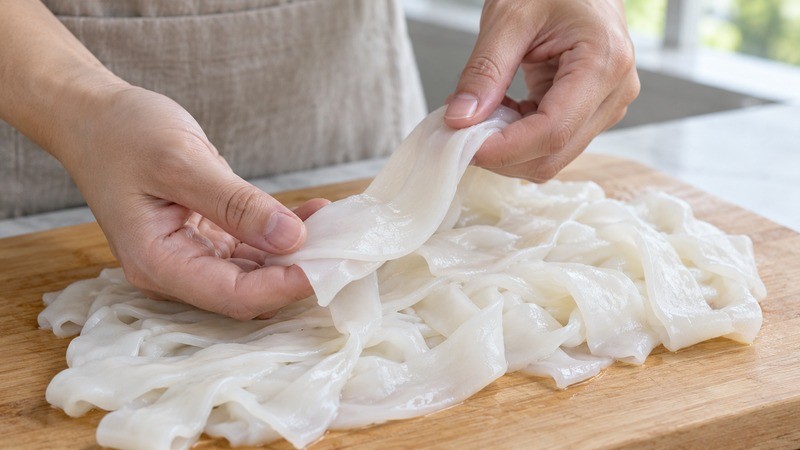
- Prep the noodles: If using fresh ho fun, gently separate the noodles with your hands; don’t pull too hard, as they can tear. If using dried, drain and pat dry thoroughly.
- Stir-fry aromatics: Heat a little oil at cookware-safe heat. Add garlic and ginger and stir briefly until fragrant without burning.
- Sear beef: Cook even slices in a single layer and set aside briefly before finishing with the noodles. Appearance and a 30-second clock are not reliable safety checks.
- Overcooking here is the #1 mistake for tough beef.
- Cook the noodles: Add 1 more tbsp oil to the wok, then add the noodles. Use a spatula to gently toss them for 1 minute to coat in oil.
- Add the light soy sauce, dark soy sauce and oyster sauce (if using). Toss gently until the noodles are evenly colored and heated through.
- Combine: Return the beef and add sprouts and scallions. Finish cooking the beef and heat sprouts thoroughly, rather than retain undercooked sprouts just for crunch.
- Serve right away: Transfer to a plate and enjoy immediately—beef chow fun noodle is best when hot, as the noodles will get soggy if left to sit.
Common Mistakes to Avoid
Even with the right ingredients, small missteps can ruin the dish. Here are the most frequent errors and how to fix them:
- Overcrowding the wok: A common beginner mistake is adding all ingredients at once, which lowers the wok’s temperature and makes the noodles sticky. Expert Cantonese cooks swear by cooking in small batches to ensure each ingredient gets high, even heat.
- For a 2-person serving, split the beef and noodles into two batches.
- Overcooking beef: Thin slices cook quickly, but color is not a safety test. Complete the cooking when returned to the noodles rather than assume gray meat is always dry or pink meat is ready.
- Expecting starch to fix all cuts: Cornstarch provides a coating. Thin slicing across the grain, the beef cut and controlled cooking also affect tenderness.
- Even a small amount makes a big difference.
- Using the wrong noodles: Thin rice noodles can’t hold up to the stir-fry and will turn mushy. Stick to wide ho fun for authentic texture.
Home-Cooking Tips for Consistent Results
Once you master the basics, these tips will help you make beef chow fun noodle that tastes like it’s from a restaurant:
- Drain well: Drain rehydrated noodles and remove excess surface water from the other ingredients. Fresh ho fun is usually lightly oiled; do not scrub away its surface or tear it with paper towels.
- Choose suitable cookware: A wide carbon-steel wok or skillet can work. Follow its safe heating instructions; forcing every pan to maximum heat is not necessary.
- Balance the sauce: Taste the cooked dish and adjust light soy sauce gradually if needed. This ingredient version has no added sugar; keep its seasoning light.
- Just keep the sauce light—you don’t want it to overpower the noodles.
- Use fresh ingredients: Fresh bean sprouts and green onions add brightness that canned or frozen versions can’t match. If you can, pick up ingredients from an Asian market for the best quality.
By following these steps and avoiding common pitfalls, you can make beef chow fun noodle that’s authentic, tasty, and perfect for weeknight meals or weekend gatherings. The dish is versatile too—you can add extra vegetables like bok choy or mushrooms if you want to customize it to your taste, but keep the core ingredients simple to let the beef and noodles shine.
How to Check Beef Chow Fun Noodle Before Serving
A good beef chow fun noodle plate should pass three simple checks before it leaves the wok: the noodles should separate cleanly, the beef should stay tender, and the sauce should coat the dish without pooling at the bottom. If the noodles clump, the heat was too low or the noodles were not loosened before cooking.
For home cooks, the most useful beef chow fun noodle habit is to prepare every ingredient before turning on the stove. Slice the beef thinly, separate the rice noodles by hand, rinse and dry the bean sprouts, and mix the sauce in a small bowl. Once the wok is hot, there is no time to search for missing ingredients.
Frequently Asked Questions
What is the significance of beef chow fun noodle in Cantonese cuisine?
Beef chow fun (牛河) is one of the most iconic and beloved dishes in Cantonese cuisine, particularly in Hong Kong and southern China. It represents a staple comfort food that can be found in dai pai dongs (open-air food stalls), tea restaurants, and dim sum houses throughout the region. The dish exemplifies the Cantonese emphasis on wok hei (breath of the wok) – the smoky, charred flavor achieved through high-heat cooking. It is a popular choice for late-night meals and is often considered a test of a chef’s skill due to the technique required to cook the rice noodles properly without breaking them.
How do I loosen chilled ho fun?
Warm gently just enough to soften, then peel the ribbons apart. Do not pull hard or attempt to separate a solid clump in the hot wok. Keep package storage instructions in mind.
Are ho fun and cheung fun the same?
Both are rice-based, but ho fun is cut into ribbons for this stir-fry; cheung fun is usually rolled and served as a different dish. Buy noodles suitable for stir-frying.
How do I avoid broken or clumped noodles?
Separate them before cooking, drain excess water, avoid crowding and fold gently with a spatula. The sauce should coat rather than pool; a clump is not solved by more soy sauce.
Related Cooking Guides
The Woks of Life’s ho fun guide and recipe demonstrates fresh-noodle handling. For meat safety see FoodSafety.gov. Images may be AI-generated illustrations, not evidence of a tested batch.