Best BBQ Cantonese Cuisine: What to Look For, Dishes to Try, and Home Tips
Quick Answer
Best BBQ Cantonese cuisine usually points to siu mei-style roast meats, where glossy glaze, controlled heat, balanced seasoning, and clean carving matter more than heavy smoke.
Basic Facts
- Dish group: Cantonese roast and barbecue-style meats
- Main examples: Char siu, roast duck, roast pork, and soy sauce chicken
- Quality check: Glaze, aroma, tenderness, skin texture, and serving freshness
- Common mistake: Judging Cantonese BBQ by smoke flavor alone
Quick reference: Best BBQ Cantonese cuisine = roast technique + glaze balance + meat texture + fresh carving + classic sauces.
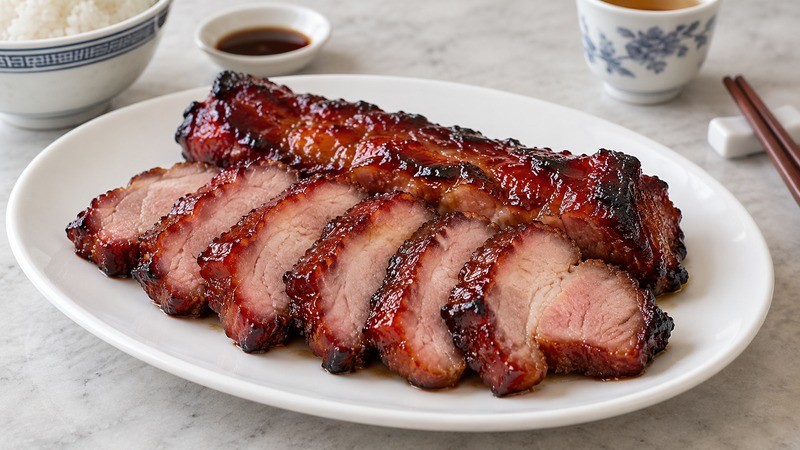
If you’ve ever waited in line for a takeout platter in a North American or European Chinatown, only to find the Cantonese BBQ was overly sweet, greasy, or lacking the crisp texture you expected, you’re not alone. For overseas food lovers seeking the best BBQ Cantonese cuisine, the key is to understand the core principles of this traditional style—called siu mei—before settling for a subpar meal.
Unlike Western BBQ styles that lean into bold rubs or slow smoking, Cantonese BBQ focuses on enhancing the natural flavor of high-quality meats through precise roasting, balanced seasonings, and minimal manipulation. This guide will break down what sets authentic siu mei apart, the must-try dishes to order, how to spot a great shop when you’re abroad, and simple tips to make it at home if you can’t find a reliable local spot.
The Core of Authentic Cantonese BBQ (Siu Mei)
Siu mei refers to Cantonese roasted meats, including char siu, roast pork and roast duck or goose. Shops use different ovens and fuels; wood smoke is not a universal requirement. Soy sauce, sweeteners, five-spice and fermented bean curd appear in different marinades, not one formula shared by every meat.
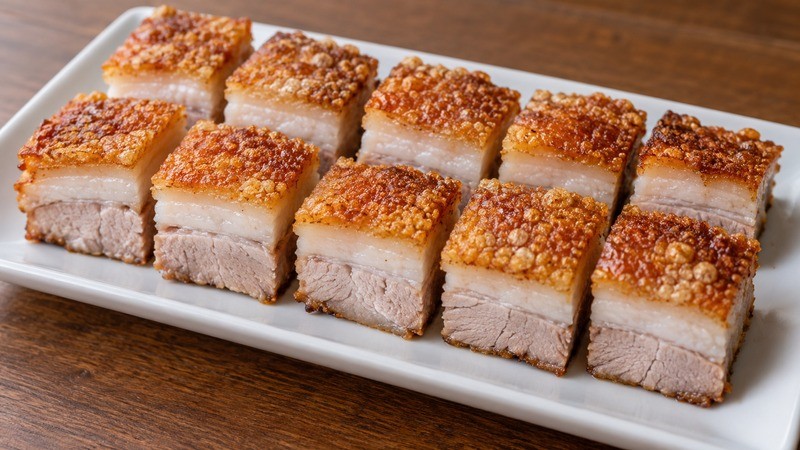
Char siu glaze gives sweetness and a glossy finish. Crisp crackling belongs more to roast pork, while char siu has caramelized edges. Red coloring is used in some established recipes and is not, on its own, evidence of poor cooking.
Must-Try Dishes in the Best Cantonese BBQ Spread
A traditional siu mei platter includes several iconic dishes, each with distinct textures and flavors that showcase the style’s precision. The first is char siu, or roast pork, the most recognizable Cantonese BBQ dish.
The best char siu uses pork shoulder (butt) with a thin layer of fat—lean cuts result in dry, stringy meat. It’s marinated for 4 to 12 hours, then roasted until the exterior is glossy and slightly charred, with a hint of five-spice that lingers without cloying sweetness.
Judge char siu by tenderness and balanced flavor, not a compulsory brown color. For home preparation, see our char siu guide.
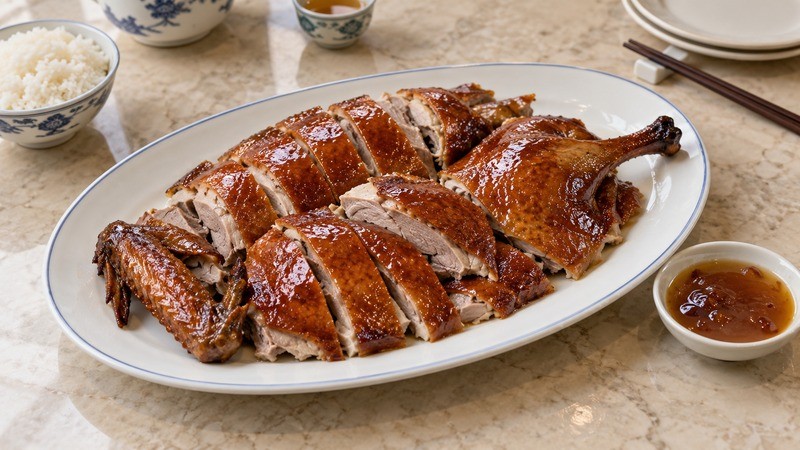
Roast duck is another siu mei choice. Skin preparation and drying help its texture; at home, dry it uncovered in the refrigerator rather than on the counter. The roasting time depends on bird size and oven performance.
The meat inside should be juicy, not dry, with a mild, gamey flavor that pairs well with hoisin sauce or plum sauce. Avoid ducks with soggy skin or a strong, off smell—these are signs of low-quality meat or improper preparation.
For a premium option, suckling pig is a treat, often served at special occasions. Its skin is ultra-crispy, like brittle caramel, and the meat is tender and mild, sliced thin and served with a side of pickled vegetables to cut through richness.
Roast goose is another standout, popular in Hong Kong and Guangzhou, with a deeper, richer flavor than duck and equally crispy skin.
Finding the Best Cantonese BBQ When You’re Overseas
Look for careful handling and freshly carved portions. Hanging roast meats is a customary display, not a preservation method: food must be held at safe hot or cold temperatures.
A hanging-meat display is customary in some shops, but neither a display nor refrigeration proves quality. Refrigeration is necessary for safe storage. Look for careful handling, good turnover and freshly carved portions; color alone cannot determine freshness.
Ask diners familiar with the menu which meats the shop handles well. Adaptations and fusion options are not automatic signs of bad cooking; compare the actual roast technique, seasoning and serving temperature.
A key tip for overseas readers: prioritize shops that adapt to local availability without cutting corners on core techniques. For example, if traditional pork cuts are hard to find, a good shop will use high-quality local pork instead of cheap, processed meat.
Home-Cooking Cantonese BBQ: Simple Tips for Success
If you can’t find a great siu mei shop, try making char siu or roast duck at home with these practical tips. For char siu, use pork shoulder (not lean loin) for juiciness.
For home char siu, use a complete formulation such as Chef Lau’s oven-roasted pork. Specify the meat weight before scaling marinade. Marinate in the refrigerator and keep raw-pork marinade separate from finishing glaze.
Brush on a clean reserved glaze near the end so it does not burn. For whole pork cuts, check at least 145 F (63 C) and rest 3 minutes; a 25-minute oven timer is not a safety test.
For duck, choose a full roast-duck recipe that matches the bird weight rather than combine a generic scoring, blanching and one-hour schedule.
Pat dry and refrigerate during any drying stage. Cook all poultry to at least 165 F (74 C), checking breast and the innermost thigh and wing areas without touching bone. Rest before carving.
Closing
The best BBQ Cantonese cuisine isn’t about flashy presentations or overly sweet flavors—it’s about balancing simplicity with quality, respecting the meat, and using traditional techniques refined over centuries. Whether you’re dining out in a Chinatown abroad or experimenting in your own kitchen, focusing on these core principles will help you find (and make) the authentic flavors that make Cantonese BBQ a beloved global favorite.
By avoiding artificial shortcuts, prioritizing fresh ingredients, and leaning into the style’s emphasis on balance, you’ll be able to enjoy siu mei that stays true to its Guangdong roots, no matter where you live.
FoodSafety.gov’s minimum temperatures apply to home roast meats. Refrigerate leftovers promptly; appearance and a hanging display are not food-safety evidence.
Images are illustrative and may be AI-generated; they are not evidence of a tested batch, ingredient origin or safe doneness.
How to Order and Compare Cantonese BBQ
When comparing best bbq Cantonese cuisine, start with the serving context. A casual rice plate can be excellent if the roast meat is freshly cut, the sauce is balanced, and the rice absorbs the meat juices without becoming oily. A banquet platter should feel more polished: thinner carving, cleaner edges, and several meats arranged so each texture stays distinct. This difference matters because Cantonese BBQ is not judged only by one dramatic flavor. It is judged by balance.
For a practical order, choose one glazed meat, one crisp-skin item, and one lighter option. Char siu shows marinade and caramelization, roast pork shows skin and fat control, and soy sauce chicken shows poaching skill and roast duck shows roasting skill. This makes best bbq Cantonese cuisine easier to understand because each item tests a different cooking skill. If every piece tastes only sweet, salty, or smoky, the kitchen may be hiding weak technique behind seasoning.
Related Cantonese cooking guides: For seafood timing, compare beer steamed shrimp; for a pan-searing reference, see beef steak Cantonese style.
FAQ
What does best BBQ Cantonese cuisine usually include?
It usually includes roast meats such as char siu, roast duck and roast pork, with poached soy sauce chicken often sold alongside them, with attention to glaze, texture, carving, and sauce pairing.
Is Cantonese BBQ the same as American barbecue?
No. Cantonese BBQ is closer to siu mei roast cooking, where marinade, glaze, oven heat, and fresh serving matter more than long smoking.
How should a beginner judge Cantonese BBQ quality?
Look for balanced sweetness and savoriness, tender meat, clean aroma, glossy surface, and a finish that is rich but not greasy.
What sauces work well with Cantonese BBQ?
Plum sauce, ginger-scallion sauce, soy-based dips, and light chili oil can work, depending on the meat and serving style.
Can Cantonese BBQ be cooked at home?
Yes, but home cooks should focus on marinade balance, oven temperature, resting time, and safe internal temperature instead of trying to copy a restaurant roasting room exactly.