This char siu recipe uses pork shoulder, soy sauces, hoisin, aromatics and a final honey or maltose glaze. Plan ahead for refrigerated marination.
More than just a sweet-savory roasted pork dish, authentic char siu is a cornerstone of Cantonese siu mei—roasted meats that are central to the region’s culinary heritage, cherished for their bold flavors and cultural significance.
What Is Authentic Char Siu?
Char siu means fork-roasted pork and is part of Cantonese siu mei. This guide does not assign an unsupported dynasty or street-vendor origin.
Roast-meat shops sell char siu for rice plates, noodles and other dishes. Home ovens can also produce a glazed roast without reproducing every shop's equipment.
Authentic char siu is defined by its balanced sweet-savory profile, glossy deep-red glaze, and tender, juicy meat with a thin layer of crisp, rendered fat. Unlike Western roasted pork, it relies on natural, umami-packed ingredients rather than artificial flavorings.
Red coloring is optional. Dark soy and maltose do not alone establish a bright red color or authenticity; fermented red bean curd adds its own flavor.
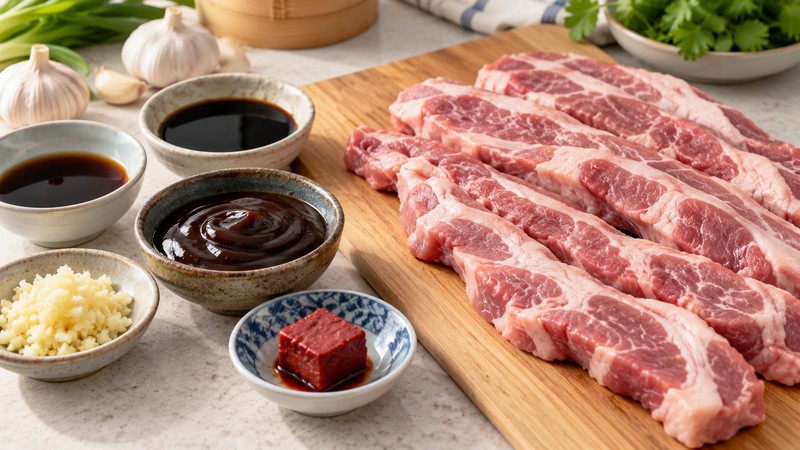
Authentic Char Siu Recipe
Ingredients (Serves 4)
The retained proportions below are this home variation, not the exact formula of the linked published recipe.
1.5 lbs (700g) pork butt (shoulder), trimmed to a ¼-inch fat layer, cut into 2-inch thick strips (4 inches long)
2 tbsp light soy sauce (for saltiness and depth)
1 tbsp dark soy sauce (for rich color and umami)
1.5 tbsp hoisin sauce (for sweetness and body)
1 tbsp oyster sauce (for deep umami)
2 tbsp Shaoxing wine (Chinese rice wine, for aromatic depth)
1.5 tbsp crushed rock sugar (not granulated, for smooth, non-gritty sweetness)
1 tsp five-spice powder (authentic Cantonese blend of star anise, cinnamon, cloves, Sichuan pepper, and fennel)
¼ tsp white pepper (subtle, warm heat)
1 block (1 oz, 28g) red fermented bean curd (fu ru, mashed; optional but adds authentic umami)
1 tbsp maltose (for glossy, sticky glaze; substitute with honey if needed)
1 tsp sesame oil (for nutty aroma)
3 garlic cloves, minced
1 tsp fresh ginger, grated
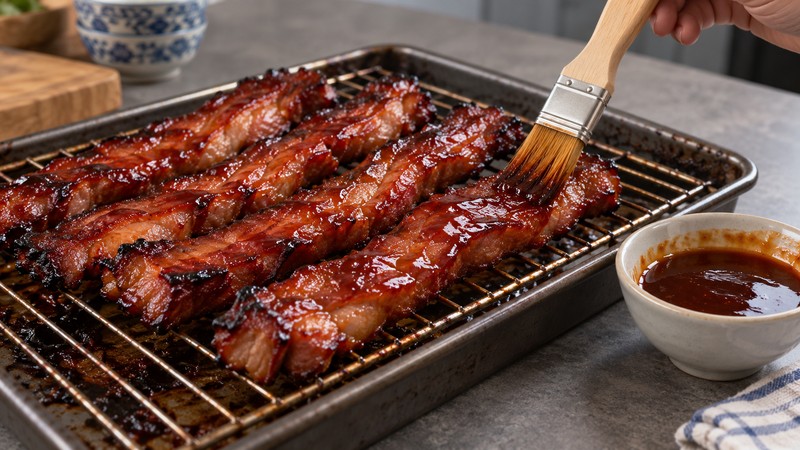
Step-by-Step Instructions
- Prep the pork: Pat the pork strips completely dry with paper towels. Score the top of each strip lightly (1/8-inch deep cuts) to help the marinade penetrate and fat render evenly during roasting.
- Make the marinade: In a large bowl, combine light soy sauce, dark soy sauce, hoisin, oyster sauce, Shaoxing wine, crushed rock sugar, five-spice powder, white pepper, mashed fermented bean curd (if using), sesame oil, minced garlic, and grated ginger. Whisk until the sugar dissolves. Reserve a clean portion in a separate covered container and refrigerate it before adding any raw pork.
- Marinate the pork: Add the pork strips to the marinade, tossing to coat every piece thoroughly. Cover the bowl and refrigerate for at least 4 hours, or ideally 8–12 hours (overnight) for maximum flavor absorption.
- Prep for roasting: Preheat your oven to 375°F (190°C). Line a baking sheet with aluminum foil for easy cleanup, then place a wire rack on top—this allows excess fat to drip away, preventing the pork from sitting in grease and turning soggy.
- Arrange evenly sized strips on the rack. For basting, use clean marinade reserved before the raw pork was added, not liquid from the marinating bowl.
- Begin roasting, then turn the strips and brush with clean reserved glaze. Watch browning rather than treating a fifteen-minute interval as proof of doneness.
- Return to the oven and roast for another 15 minutes.
- First glaze: In a small bowl, mix maltose with 1 teaspoon of warm water to thin it slightly (for easier brushing). Remove the pork from the oven, flip it back to its original top side, and brush evenly with the maltose glaze.
- Roast for 5 more minutes.
- Finish roasting until the thickest part reaches at least 145 F (63 C); rest at least three minutes before slicing. Thicker strips may take longer than the original forty-minute estimate.
- Rest before serving: Let the pork rest on the rack for 10 minutes—this allows juices to redistribute, keeping the meat tender. Slice against the grain into ¼-inch thick pieces for the best texture.
Char Siu Variations
Regional variations of char siu reflect the unique preferences of Cantonese communities across China and abroad. Hong Kong-style char siu is the most globally recognized, known for its ultra-glossy, sticky glaze and heightened sweetness.
Oven airflow, rack position and strip thickness can change roasting time. Home ovens can also reach 450 F (230 C); temperature alone does not distinguish them from commercial ovens.
Most home cooks substitute honey for maltose, as maltose is less widely available in mainstream grocery stores—this changes the gloss slightly but still yields a flavorful result. Some simplified home recipes skip fermented bean curd entirely, relying on soy sauces and hoisin for flavor, though this loses a key layer of authentic umami.
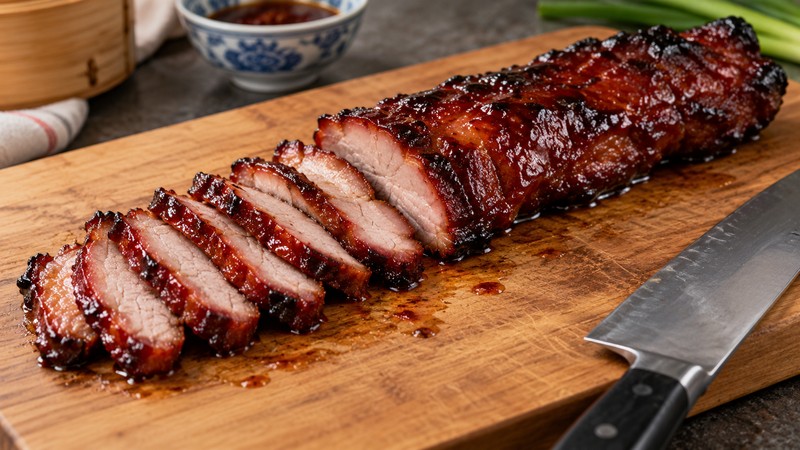
Serving Char Siu the Cantonese Way
Authentic char siu is most traditionally served sliced thin over steamed jasmine rice, a dish called char siu fan (barbecued pork rice), which is a staple at Cantonese eateries and street stalls. The pork’s sweet glaze pairs perfectly with the mild, fluffy rice, and many diners drizzle leftover pan juices or extra glaze over the top for added richness.
It is also a core component of siu mei platters, where it is paired with siu yuk (crispy roast pork belly) and soy sauce chicken for dim sum brunches or family celebrations.
Cantonese diners balance char siu’s richness with side dishes like pickled mustard greens (suan cai) or blanched bok choy, which cut through the fatty glaze and add a bright, tangy contrast. For presentation, arrange sliced pork in overlapping, neat rows on a plate, with a small bowl of extra glaze on the side for dipping.
Avoid drying lean cuts or burning the glaze. Pork does not inevitably become tough above 150 F; cut, fat and cooking method also matter.
Recipe References
Published recipe and technique reference; USDA marinade handling; FoodSafety.gov cooking temperatures.
Related recipes: BBQ pork sauce; Steamed char siu buns.
AI-generated illustrations, where added, show recipe concepts rather than photographs of a tested cooking session.