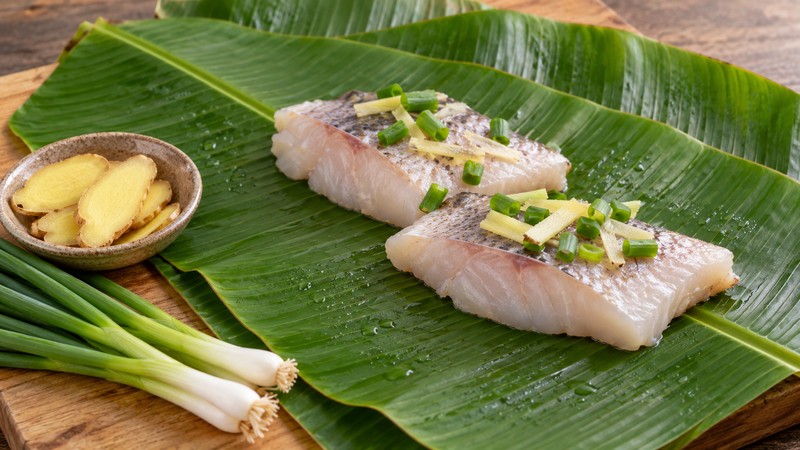
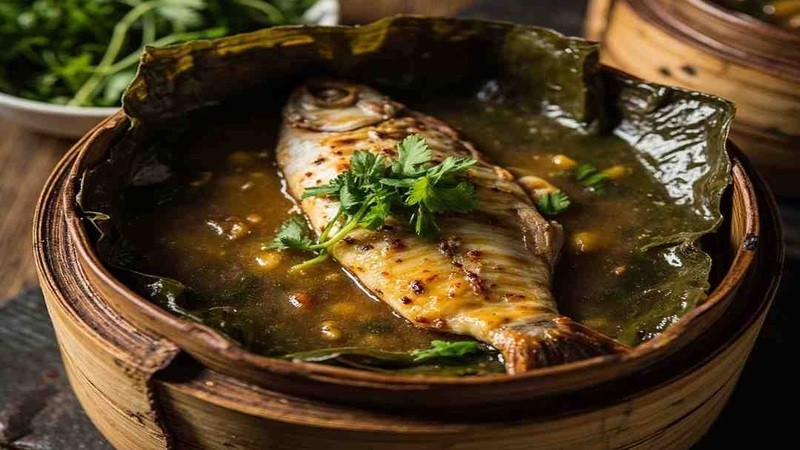
banana leaf steamed fish cantonese food guide

Banana leaf steamed fish costs between $12-$18 per serving in Cantonese restaurants, but you can make it at home for under $8, with a total cooking time of just 25 minutes from prep to table. This dish is a staple of dim sum menus, family weekend feasts, and Lunar New Year celebrations alike, blending the delicate flakiness of fresh seafood with the earthy, floral aroma of banana leaves.

banana leaf steamed fish concepts

More than just a simple meal, it embodies Cantonese culinary philosophy: prioritizing ingredient quality, gentle cooking methods, and balanced flavors that let natural tastes shine rather than masking them.

What Is banana leaf steamed fish?

Banana leaf steamed fish is a regional variant of the classic Cantonese whole steamed fish, a dish with roots stretching back over a millennium in the Pearl River Delta. The practice of wrapping food in banana leaves emerged from ancient agricultural communities, where the large, durable leaves served as natural, disposable cooking vessels for portable meals.

For Cantonese cooks, this wrapping is not just functional—it is a key flavor component. Banana leaves grow abundantly in southern China’s tropical climate, and when heated, they release a subtle, sweet, grassy aroma that infuses every bite of the fish without overpowering its mild, briny taste.

In Cantonese culture, this dish carries deep symbolic weight. Whole fish, in general, represents surplus and prosperity, a tradition so strong that the head and tail of the fish are always left intact for special occasions to signify a “complete” year ahead.

The banana leaf adds another layer of meaning: it bridges the land and sea, tying the freshness of the ocean fish to the earthy warmth of the tropical plant, embodying the Cantonese belief in balancing yin (light, fresh seafood) and yang (aromatic, grounding herbs) flavors. Unlike heavier steamed fish dishes from other Chinese regions, the Cantonese version of banana leaf steamed fish avoids bold spices, focusing instead on subtle seasonings to highlight the fish’s natural sweetness.

Authentic banana leaf steamed fish

Authentic banana leaf steamed fish adheres strictly to Cantonese principles of minimalism and respect for ingredients—no heavy sauces, no complex mixes, just fresh fish, aromatic herbs, and the natural infusion of banana leaf. The recipe below is adapted from a traditional dim sum kitchen in Guangzhou, with precise measurements to ensure the fish stays flaky and the aroma is balanced.

Ingredients (serves 2)

  • 2 tbsp Shaoxing wine (Chinese rice wine, not cooking sherry)
  • 1 tbsp light soy sauce (for seasoning, not dark)
  • 1 tsp dark soy sauce (for subtle color)
  • 1 tsp toasted sesame oil
  • 1 tsp granulated sugar
  • 1/2 tsp white pepper (ground, not black)
  • 1 tbsp neutral vegetable oil (canola or peanut oil)
Step-by-Step Instructions

  • Prep the fish: Pat the whole sea bass completely dry with paper towels (moisture prevents even cooking and makes the skin soggy). Make 3 shallow diagonal scores (1cm deep) on each side of the fish—this allows steam to penetrate the thickest part of the flesh, ensuring it cooks evenly.
  • Prep banana leaves: Blanch the banana leaves in a pot of boiling water for 10 seconds, then transfer to cold water to stop cooking. Wipe dry and cut into two 30x30cm squares; blanching softens the leaves so they don’t tear during wrapping.
  • Marinate the fish: Rub the inside and outside of the fish with 1 tbsp Shaoxing wine, 1 tsp light soy sauce, and a pinch of white pepper. Let it rest for 5 minutes to absorb the flavors.
  • Stuff the cavity: Fill the fish’s abdominal cavity with half the julienned ginger, the white parts of the scallions, and 1 sliced garlic clove—this adds aroma from within.
  • Top with aromatics: Arrange the remaining ginger, garlic, sliced shiitake, and red chili (if using) on the scored back of the fish.
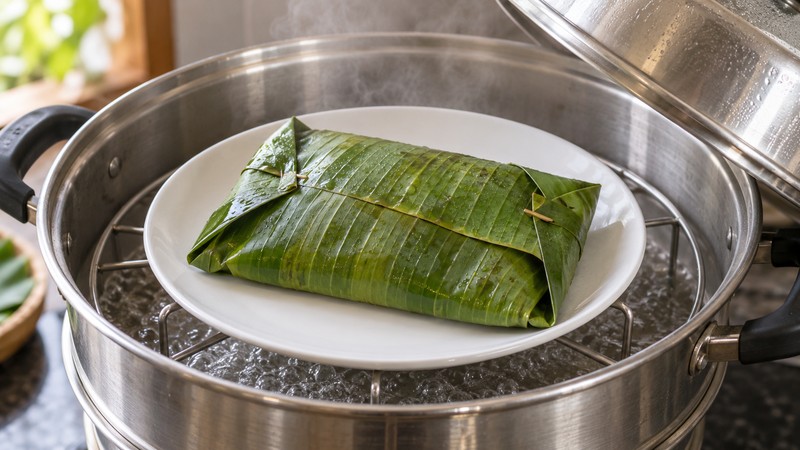
  • Wrap tightly: Lay one banana leaf square flat, place the fish in the center. Fold the left and right edges of the leaf over the fish, then fold the top and bottom edges to seal completely—no gaps, as this traps steam and the banana leaf’s aroma.
  • Prep the steamer: Bring a pot of water to a rolling boil (Cantonese steaming relies on high, constant heat; low heat will result in tough fish). Place a steamer basket inside, ensuring it sits above the water line.
  • Steam the fish: Set the wrapped fish in the steamer basket, cover tightly, and steam for 8–10 minutes (9 minutes is ideal for a 500g fish). To check doneness, insert a fork into the thickest part of the fish—if it flaks easily, it’s ready.
  • Make the finishing sauce: While steaming, mix the remaining 1 tbsp Shaoxing wine, light soy sauce, dark soy sauce, sesame oil, sugar, and remaining white pepper in a small bowl. Warm in the microwave for 10 seconds to combine.
  • Unwrap carefully: Remove the steamer basket from the heat, take out the wrapped fish, and cut open the banana leaf with kitchen scissors. Discard any excess liquid that has pooled in the leaf (this liquid often has a fishy, bitter aftertaste).
  • Finish with sizzle: Pour the warm sauce over the fish, then heat the 1 tbsp vegetable oil in a small pan until it smokes slightly. Pour the hot oil over the scallion greens on top of the fish—this creates a loud sizzle that releases the scallion’s fresh aroma, a classic Cantonese finishing touch.

banana leaf steamed fish Variations

Banana leaf steamed fish has evolved slightly across different Cantonese-speaking regions, reflecting local ingredient availability and taste preferences. In mainland Guangzhou, the dish leans into minimalism, using only core aromatics (ginger, scallion, garlic) and a light soy-based sauce to highlight the fish’s natural flavor.

Hong Kong-style banana leaf steamed fish, by contrast, often adds extra ingredients like dried scallops, fermented black beans (douchi), or even a splash of oyster sauce for a richer, umami depth— a nod to Hong Kong’s fusion of Cantonese and Western culinary influences, where bold flavors are sometimes embraced in casual dining settings. Home versions also differ from restaurant ones: home cooks often skip the extra seasonings to save money, or use frozen banana leaves when fresh ones are hard to find, while restaurants may use larger fish for banquets or add a layer of minced pork to the wrapping for heartiness.

Another common variation is the use of different fish types. While sea bass or red snapper are standard in authentic recipes, home cooks sometimes swap in tilapia or catfish (more affordable and widely available) without losing the dish’s core identity.

For vegetarian or vegan versions, cooks replace the fish with tofu or king oyster mushrooms, wrapping them in banana leaves with the same aromatic herbs and adjusting steaming time to 5 minutes. Some regional variations also add a small amount of rice wine or sugar to the sauce to balance the banana leaf’s earthiness, depending on how sweet or savory the local palate prefers.

Serving banana leaf steamed fish the Cantonese Way

Cantonese serving etiquette for banana leaf steamed fish follows long-standing traditions, designed to honor the dish’s symbolism and flavor. The fish is presented whole, with the head and tail intact, placed in the center of the table as the main protein—this signals abundance to guests, especially during celebratory meals.

The banana leaf is usually cut open at the table (or in the kitchen before serving) to release its aroma, a moment that is often a highlight of the meal, drawing guests’ attention to the dish’s freshness. Traditional pairings include steamed white rice to soak up the savory sauce, and light vegetable dishes like bok choy or choy sum to balance the richness of the fish.

Common mistakes to avoid include over-steaming the fish (which makes it dry and rubbery), using too many spices that mask the fish’s delicate flavor, or discarding the banana leaf’s infused liquid without draining excess first—this liquid, when mixed with the finishing sauce, adds a subtle, earthy depth if the excess fishy liquid is removed.

banana leaf steamed fish effectively

Frequently Asked Questions

What is the significance of banana leaf steamed fish in Cantonese cuisine?

Banana leaf steamed fish (香茅蒸魚) holds a special place in Cantonese cuisine as a classic dish that showcases the region’s emphasis on fresh ingredients and delicate steaming techniques. The banana leaf imparts a subtle, aromatic fragrance to the fish while keeping it moist and tender. This dish is often served at family gatherings, banquets, and festive occasions, symbolizing abundance and prosperity. It reflects the Cantonese culinary philosophy of balancing flavors and preserving the natural taste of ingredients.

How is banana leaf steamed fish traditionally prepared?

The traditional preparation involves cleaning a fresh whole fish (typically sea bass or grouper) and making shallow cuts on both sides. The fish is then placed on a bed of banana leaves arranged in a steamer. Aromatics such as ginger slices, scallions, cilantro, and sometimes lemongrass are tucked around and inside the fish. A light sauce made from soy sauce, sesame oil, and sometimes oyster sauce is drizzled over the fish. The entire dish is steamed over high heat for about 10-15 minutes until the fish is cooked through and flakes easily.

What ingredients are essential for banana leaf steamed fish?

Essential ingredients include: a fresh whole fish (海鮮魚/石斑), fresh banana leaves (香蕉葉) to serve as the steaming vessel and flavor enhancer, ginger (薑), scallions (蔥), cilantro (芫茜), light soy sauce (生抽), sesame oil (麻油), and optionally lemongrass (香茅), chili peppers, or fermented bean curd (腐乳). Some recipes also include mushrooms and wood ear fungus for added texture.

What are the health benefits of banana leaf steamed fish?

Banana leaf steamed fish offers numerous health benefits: the steaming method preserves the fish’s omega-3 fatty acids, proteins, and essential nutrients without adding excess oil. Fish is rich in high-quality protein, vitamin D, and minerals like selenium and iodine. The banana leaf contains natural antioxidants and adds subtle antimicrobial properties. This cooking method is low in fat and calories, making it a heart-healthy choice. The gentle steaming also helps retain the fish’s delicate nutrients that might be lost through other cooking methods.

What are common mistakes when making banana leaf steamed fish?

Common mistakes include: using wilted or old banana leaves that lack fragrance, overcooking the fish which results in dry and tough flesh, not properly cleaning the banana leaves which can impart a bitter taste, using fish that is not fresh (steaming magnifies any fishy odors), overcrowding the steamer which prevents proper heat circulation, adding too much sauce which overwhelms the delicate fish flavor, and not allowing the fish to rest after steaming. Additionally, failing to properly score the fish can result in uneven cooking.

More Cantonese Cooking Guides

For more context, continue with these related YueCuisine guides:

For broader background, see Cantonese cuisine.


Tags: authentic cantonese recipes banana leaf steamed fish Cantonese cooking Chinese recipes

Powered by Shanyue Group | Contact: contact@shanyuegroup.com

About | Contact | Privacy Policy

© 2026 Shanyue Group • All Rights Reserved