If you’ve ever ordered char siu at a Chinatown restaurant overseas, you know that perfect Cantonese BBQ pork has a sticky, glossy caramelized exterior, tender pink interior, and that balanced sweet-savory flavor that makes it a staple of Cantonese cuisine. Many home cooks try to replicate it, but often end up with dry, bland, or overly greasy meat—missing the subtle techniques that set authentic versions apart.
This guide walks you through every step to make BBQ pork cantonese style at home, using ingredients and methods that work for standard kitchen setups outside of Guangdong.
What Sets Cantonese BBQ Pork Apart
Unlike Western BBQ pork, which relies on slow smoking and bold rubs, BBQ pork cantonese style leans into a sweet-savory marinade and gentle roasting to highlight the meat’s natural tenderness. It’s called char siu in Cantonese, a term that translates to “fork pork” (referring to the traditional method of roasting on metal forks).
This dish isn’t just a meal—it’s a versatile component of Cantonese cooking, appearing in yum cha dim sum, rice bowls, and noodle dishes. The key difference is in the balance of flavors: it’s not overly sweet, nor is it heavy on salt, with a warm hint of five-spice that lingers gently on the palate.
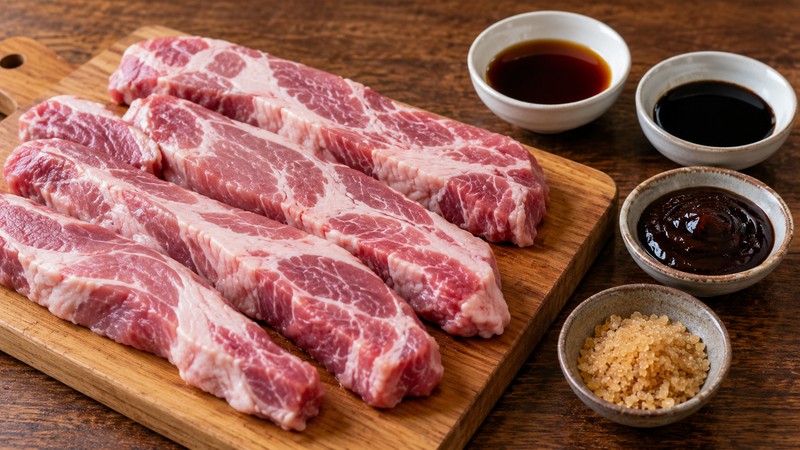
Essential Ingredients for Authentic BBQ Pork Cantonese Style
The success of this dish depends on choosing the right ingredients, no shortcuts allowed. Here’s what you’ll need:
- Pork shoulder (Boston butt): a useful, marbled cut for home char siu. It is not the only possible cut.
- Aim for a 1.5 to 2-pound piece, trimmed of excess skin but with a small amount of fat left.
- Marinade mix:
- 3 tbsp light soy sauce (for saltiness and depth)
- 2 tbsp dark soy sauce (for that signature reddish-brown color and umami)
- 4 tbsp hoisin sauce (sweet-savory base)
- 2 tbsp Shaoxing rice wine (or dry sherry as a substitute, for aromatic depth)
- 1 tsp five-spice powder (warm, subtle spice blend unique to Cantonese cooking)
- 2 tbsp rock sugar, dissolved fully; granulated sugar can also be used
- Optional red food coloring: follow the product instructions; red color is not necessary for doneness or flavor.
Beginner cooks should prioritize pork shoulder over other cuts—this small choice is the easiest way to avoid dry, tough BBQ pork. The marinade is designed to infuse flavor, not just coat the meat, so don’t rush the marination step.
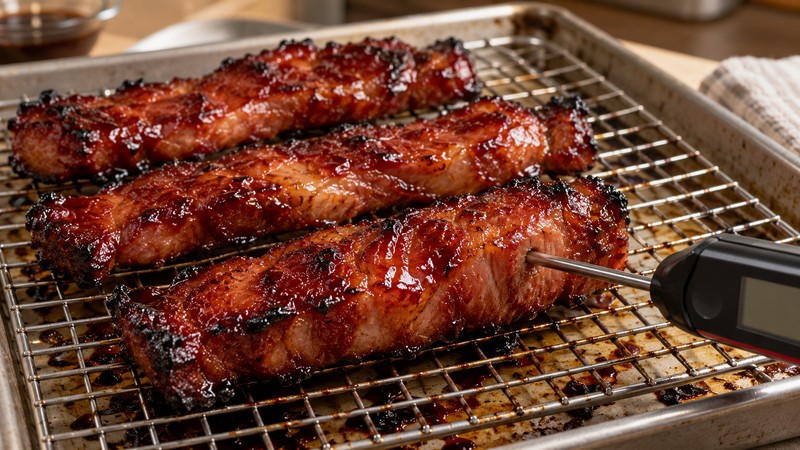
Step-by-Step Method to Cook BBQ Pork Cantonese Style
Cooking this dish is straightforward, but timing and temperature matter. Follow these steps for perfect results:
- Marinate the pork: Cut the pork shoulder into thick strips (about 2 inches wide and 1 inch thick—too thin and it will overcook). Mix all marinade ingredients until the sugar dissolves. Before adding pork, reserve a clean portion and refrigerate it in a separate covered container.
- Place the pork strips in a zip-top bag or shallow dish, pour in the marinade, and toss to coat evenly. Seal the bag and refrigerate for at least 8 hours, ideally overnight.
- Keep the pork refrigerated while marinating. Overnight is convenient but is not a universal authenticity requirement.
- Roast the pork: Preheat your oven to 375°F (190°C). Line a baking tray with aluminum foil for easy cleanup, then place a metal roasting rack on top.
- Space the strips on the rack and turn as they color. Use clean glaze reserved before the raw pork was added.
- Verify at least 145 F (63 C) in whole-cut pork and rest at least three minutes. Cooking time changes with strip thickness and oven performance.
- For shine, brush the clean reserved marinade thinly near the end. No additional honey is required in this version. Watch the broiler continuously; never use untreated raw-pork marinade as a final glaze.
- Remove from the oven and let the pork rest for 10 minutes before slicing.
Common Mistakes to Avoid
Even with the right ingredients, small errors can ruin the dish. Here are the most frequent mistakes and how to fix them:
- Using the wrong cut: As mentioned earlier, pork loin is too lean. Stick to shoulder for juiciness.
- Short marination: plan ahead if you want overnight seasoning, but there is no eight-hour threshold that guarantees deep flavor.
- Glaze browning too quickly: lower heat or move the pork farther from the element. Temperatures above 400 F are used in some recipes; they do not inevitably burn every batch.
- Skipping the glaze step: The glaze is what gives BBQ pork cantonese style its signature sticky, glossy look and extra layer of sweetness. Don’t skip it.
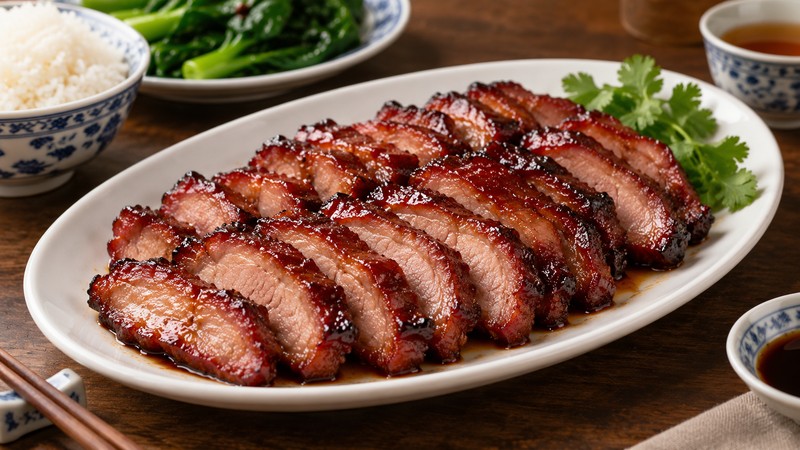
- Over-slicing: Slice the pork into ¼ to ½ inch thick pieces—too thin and it will dry out quickly, too thick and it’s hard to eat with rice.
Home-Cooking Tips for Perfect Results Overseas
If you don’t have access to traditional Cantonese cooking tools, these tips will help you adapt the recipe to your kitchen:
- Do not put wood chips in a conventional indoor oven. Use an outdoor grill designed for smoking if a smoke flavor is wanted.
- Do not subtract cooking time solely because of altitude. Use actual doneness and a thermometer.
- Serving ideas: Slice the pork and serve it over steamed white rice with a drizzle of leftover glaze. It’s also a great filling for char siu bao (steamed buns) or added to noodle soups. If you want to pair this BBQ pork cantonese style with traditional dim sum, our guide to the art of yum cha dining tradition offers more context on Cantonese meal pairings.
With these steps, you can make authentic the dish at home, no need for a restaurant visit. The key is patience with marination and choosing the right cut of pork—small details that make a big difference in flavor and texture.
Whether you’re serving it for a weeknight meal or a small gathering, this dish is sure to impress with its balanced, Cantonese-inspired taste.
Recipe References
Published recipe and technique reference; USDA marinade handling; FoodSafety.gov cooking temperatures.
Related recipes: BBQ pork sauce; Steamed pork buns.
AI-generated illustrations, where added, show recipe concepts rather than photographs of a tested cooking session.